
BIODIVERSITY & CONSERVATION
A people-centered approach to protecting our planet
Biodiversity is the foundation of life on earth.
But the planet still faces global biodiversity threats. Species are going extinct faster than ever, and many of the world’s biodiversity hotspots are in countries burdened by poverty, food insecurity, and intensifying climate change.
To protect biodiversity—and the prosperity of local communities worldwide—we must support community-led conservation initiatives that use responsible, sustainable, and biodiversity-friendly practices. Such practices protect our soil, water, forests, and wildlife.
Rare is a global leader in driving social change for people and nature. For nearly 50 years, across 60 countries, Rare has established itself as a trusted partner for locally led and community-managed conservation. Through our work with fishers, farmers, and other resource users, we have inspired and engaged millions of people and their communities to shift their behaviors and practices to protect our shared planet.
» Learn more below about the topics of biodiversity and conservation.
» Learn more about Rare’s work and approach to promoting biodiversity through the global 30×30 campaign, sustainable fisheries management, regenerative farming, and behavioral science.
What Is biodiversity
Why Is biodiversity Important?
The Most Important Species for Biodiversity
How Does Climate Change Affect Biodiversity?
How Does Climate Change Threaten Biodiversity in the Ocean?
Why Should We Protect Biodiversity?
What is the Single Greatest Threat to Biodiversity?
Is It Too Late to Save Biodiversity?
What is Conservation?
What is Community Conservation?
How Do Indigenous PeopleS Help Environmental Conservation?
The Benefits of Community-Based Conservation
What is the Future of Conservation?
How does Rare Support Biodiversity Conservation?
What is Biodiversity?
Biodiversity refers to the variety of life on earth, including plants, animals, fungi, and microorganisms. So far, scientists have discovered 1.7 million species on our planet but estimate a total of 8.7 million species, meaning that we haven’t yet found most plants, insects, and animals.
The Importance of Biodiversity
Biodiversity is the bedrock of diversity and wildlife on Earth. It helps ecosystems thrive, protects us from natural disasters, regulates the climate, and provides food, fertile soil, and medicine.
Biodiversity is why our rainforests are full of life and our oceans brim with marine variety. Birds help transport and dispose of seeds across vast landscapes. Honeybees pollinate 70% of the crops that feed the world. Angelfish help maintain healthy coral reefs by eating fast-growing coral. Each species plays a critical role in its ecosystem. Some groups are especially important, including keystone, foundation, indicator, and flagship species.
The Most Important Species for Biodiversity
Some species are more important than others for supporting biodiversity in local ecosystems. Biologists categorize plants and animals with the most significant roles in ecosystem health as the following:
A species that plays a disproportionally large role in supporting an ecosystem’s health, function, and food web. E.g., Sea otters help maintain healthy seagrass beds by eating sea urchins that prey on kelp.
An ecosystem engineer that supports habitats by shaping the physical environment. E.g., Coral polyps and zooxanthellae create large coral reefs that provide habitat for thousands of diverse marine species.
A highly sensitive species that reflects the ecosystem’s conditions and overall health. E.g., A decline in frog populations alerts scientists of potential environmental toxins due to the animal’s highly permeable skin that absorbs pollutants.
Climate Change and Biodiversity
The effects of climate change are shifting global landscapes and making ecosystems less viable for the earth’s biodiversity. For example, in the Arctic, warming temperatures are melting ice caps, decreasing permafrost coverage, turning precipitation into rain, and raising sea levels. The world’s forest and desert landscapes are suffering from severe droughts, increased temperatures, and unprecedented wildfires like the 2020 bushfires in Australia.
Cold-blooded animals like birds, amphibians, and reptiles are especially threatened by climate change due to reproduction and migration patterns linked to environmental temperatures. The National Audubon Society found that two-thirds of North American birds are at an increased risk of extinction due to rising global temperatures. Increasing temperatures are also causing a widespread phenomenon of female turtle hatchlings, since temperature determines the sex of egg embryos.
How Does Climate Change Threatens Biodiversity in the Ocean?
The effects of climate change, like rising sea levels and increasing temperatures, are driving biodiversity loss in the ocean. Marine heatwaves amplify ocean acidification and threaten the survival of shelled organisms, fish larvae, and coral reefs. Severe weather events and warming waters can wipe out local fish stocks, leading people to lose their livelihoods. According to recent United Nations findings, more than one-third of all shark species, coral reefs, and marine mammals are threatened with extinction.
Why We Should Make Protecting Biodiversity a Priority
Biodiversity benefits ecosystems, human health, food security, and climate change mitigation. For example:
Genetically diverse populations are more resilient to diseases, which helps species survive.
Marine ecosystems like mangroves and coral reefs function as buffers that protect coastal communities against harsh storms, flooding, and erosion.
Pollinators like birds, bees, and insects support our global food system by pollinating vegetables, fruits, and grains.
The Single Greatest Threat to Biodiversity
Human activity is the leading cause of biodiversity loss. Expanding agriculture, overfishing, pollution, wildlife trade, invasive species, and plastic waste all put pressure on ecosystems. These challenges may look different across the world, but they are all shaped by the ways people use and manage natural resources.
At the same time, people play a central role in protecting biodiversity. Conservation efforts are more effective when they focus on how decisions are made in everyday life by farmers, fishers, and communities. This is where behavior change for the environment starts, by supporting the people most connected to these ecosystems in adopting sustainable practices. Policy and enforcement matter, but long-term progress depends on these local actions.
Is It Too Late to Save Biodiversity?
It’s not too late to save biodiversity, but the window to act is narrowing. The IPBES Global Assessment Report on Biodiversity and Ecosystem Services estimates that one million species are at risk of extinction. This reflects widespread changes to ecosystems, but it also highlights where action can make a difference.
Efforts that focus on restoring high biodiversity and carbon-rich ecosystems, adopting sustainable agricultural practices, implementing climate adaptation measures, and reducing deforestation can help slow biodiversity loss. Shaping these approaches with local knowledge and community level support are more likely to lead to lasting results.
Stay Connected
Sign me up for occasional emails to learn more about Rare’s work and how I can support its mission. I know I can unsubscribe at any time.
What is Conservation?
Conservation is protecting, managing, and restoring biodiversity and the natural resources on which we all depend. It comes down to how people interact with the ecosystems around them. For example, how they use land, water, and wildlife in ways that support both biodiversity and daily life. Effective conservation depends on understanding these decisions and supporting people in protecting nature without sacrificing basic needs.
The Power of Community Conservation
Community conservation brings local communities into designing solutions that protect biodiversity and the landscapes they depend on. Community-led conservation goes a step further, with local people leading this work themselves. Communities that rely directly on nature are central to maintaining biodiversity, sustaining livelihoods, and strengthening climate resilience.
Rare practices community-led conservation by working directly with local people and organizations on the frontlines of climate change and biodiversity loss. Through these partnerships, Rare supports communities in adopting practical, behavior-based solutions that protect ecosystems while supporting everyday life.
How Indigenous Peoples are Leading Conservation
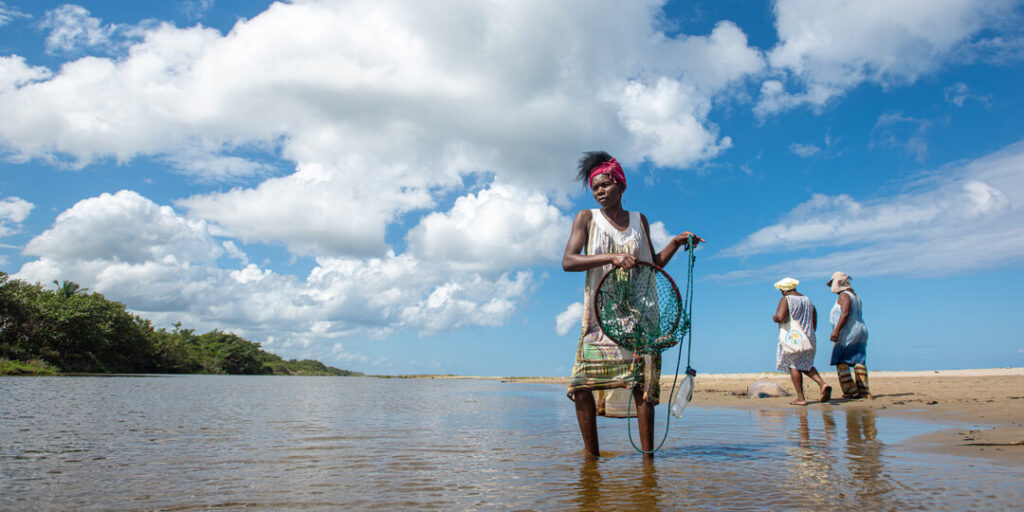
Indigenous Peoples and Local Communities are critical in managing biodiversity and global landscapes. Indigenous communities have a long history of managing landscapes and protecting natural resources sustainably. Their deep connection with nature fosters a strong understanding of local ecosystems and the most effective holistic mitigation methods to prevent environmental degradation. Incorporating traditional knowledge and leadership opportunities for Indigenous communities is critical to protecting the Earth’s biodiversity.
The Benefits of Community-Based Conservation
Protecting biodiversity at scale depends on people. The High Ambition Coalition for Nature and People has identified a global goal to conserve at least 30 percent of the world’s land and ocean by 2030 (known as 30×30). Reaching that target relies on the leadership of Indigenous Peoples and Local Communities, who are directly connected to the ecosystems where biodiversity is most at risk.
Experience shows that long-term biodiversity protection depends on community support. Rare’s Pride campaigns, for example, have helped communities living near protected areas adopt practices that improve ecosystem health while supporting their livelihoods.
Community-led conservation works because it enables changes to happen locally, where decisions directly affect biodiversity. Smallholder farmers, for instance, can support diverse plant and animal life by adopting regenerative practices such as composting, planting cover crops, restoring native vegetation, and reducing chemical inputs.
What is the Future of Conservation?
Climate change and biodiversity loss are already changing how ecosystems function. In many places, fish stocks are shifting, forests are degrading, and weather patterns are becoming less predictable. Conservation efforts are adapting to these changes by focusing on how ecosystems can continue to support both biodiversity and the people who depend on them.
This includes improving how land and water are managed, restoring damaged habitats, and paying closer attention to human behaviors that shape how natural resources are used. When these decisions shift, they can reduce pressure on ecosystems and support long-term biodiversity.
The future of conservation will depend on applying these approaches more widely, so that local efforts can add up to meaningful, lasting change.
How does Rare Support Biodiversity and Conservation?
Effective biodiversity and conservation solutions begin with the people who depend on and steward natural resources. Rare focuses on approaches that balance conservation with sustainable use, placing local communities at the center of decision-making. By working with smallholder farmers and small-scale fishers, Rare supports communities in improving land and fisheries management while reducing pressure on ecosystems.
In coastal regions, Rare partners with fishing communities to protect, manage, and restore marine ecosystems. These efforts advance biodiversity and conservation by encouraging more sustainable fishing practices that protect habitats such as coral reefs and mangrove forests. Working alongside local leaders and governments, communities establish networks of fully protected marine areas and community-managed reserves. These areas help replenish fish populations, safeguard critical habitats, and strengthen long-term food security.
On land, Rare collaborates with farming communities to promote regenerative agriculture and strengthen sustainable livelihoods. By supporting local leadership and practical behavior change, these efforts improve soil health, conserve water, and protect biodiversity. Practices such as composting and planting native tree species help restore ecosystems, rebuild wildlife corridors, and reduce reliance on chemical inputs. This approach connects biodiversity and conservation with improved economic stability and resilience for farming families.
Grounded in behavioral science, Rare equips conservation practitioners with tools to design solutions that lead to lasting change. Through training and global knowledge-sharing initiatives, communities gain the skills to promote biodiversity and conservation in ways that are locally relevant and scalable. These efforts also surface innovative, community-driven solutions to challenges such as water pollution and wildlife trade.
Rare also works to elevate local voices in global biodiversity and conservation efforts. International goals, such as conserving 30 percent of land and ocean by 2030, highlight the importance of protecting areas that support both nature and people. Rare supports partner communities in contributing to these targets by strengthening local stewardship, improving resource management, and ensuring that biodiversity and conservation efforts deliver lasting benefits.
Stay Connected
Sign me up for occasional emails to learn more about Rare’s work and how I can support its mission.
You can unsubscribe at any time.
FAQs on Biodiversity & Conservation
What is biodiversity and conservation?
Biodiversity refers to the variety of life on Earth, including plants, animals, insects, fungi, and microorganisms. It also includes the ecosystems they form like forests, oceans, wetlands, and grasslands and how all these living things interact with one another.
Conservation is the practice of protecting and managing biodiversity so these systems can continue to function over time. This can include restoring habitats, protecting species, and improving how natural resources are used. In many cases, conservation focuses on helping people such as farmers, fishers, and local communities use land and water in ways that support both their livelihoods and the health of the environment.
Why is biodiversity important?
Biodiversity supports many of the systems people rely on every day. It helps produce food, filter water, maintain soil health, and regulate the climate. Healthy ecosystems are also more resilient, meaning they can better recover from events like droughts, storms, or disease.
Different species play different roles. Pollinators like bees support crop production, forests help store carbon and stabilize the climate, and marine species help maintain balanced ocean ecosystems. When biodiversity declines, these systems become less stable, which can lead to reduced food supply, lower income for communities that depend on natural resources, and increased vulnerability to environmental changes.
Why is conservation important?
Conservation helps prevent the gradual loss of ecosystems that people often depend on without realizing it. If forests are cleared, soils lose nutrients. If oceans are overfished, communities lose a reliable food source. These changes don’t always happen overnight, but over time they make it harder for both nature and people to recover.
It also helps keep natural systems balanced. When certain species disappear or habitats are damaged, it can affect everything connected to them. Conservation works to maintain that balance, so ecosystems can continue to function and support life in a stable way.
How can we protect biodiversity?
You can protect biodiversity by reducing harm to ecosystems and support how they function over time. Some of the most common approaches include:
- Restoring habitats: Replanting forests, rebuilding wetlands, and protecting coral reefs so species have places to live and recover
- Improving farming practices: Using methods like crop rotation, composting, and reduced chemical use to support soil health and local wildlife
- Managing fisheries responsibly: Setting limits and protecting breeding areas so fish populations can recover
- Reducing pollution: Limiting plastic waste, chemical runoff, and air pollution that can damage ecosystems
- Protecting key species: Supporting species that play important roles in maintaining ecosystem balance
- Supporting local communities: Working with people who rely on natural resources to adopt practices that protect biodiversity over time
Is climate change affecting biodiversity?
Yes, climate change is already affecting biodiversity in many ways. As temperatures rise, ecosystems are reacting. Some species are moving to new areas to survive, while others are struggling to adapt to changing conditions.
For example, warmer oceans can damage coral reefs, and changing weather patterns can affect when plants grow or when animals migrate. Over time, these changes can disrupt how ecosystems function. Species that depend on specific conditions are often the most vulnerable, which can lead to declines in biodiversity if those conditions disappear.
What are examples of conservation?
Conservation can take many forms, depending on the environment and the needs of the community involved. Some common examples include:
- Protecting natural areas: Creating parks or marine protected areas to limit harmful activities
- Restoring ecosystems: Replanting forests, rebuilding wetlands, or restoring coral reefs
- Sustainable fishing and farming: Using practices that allow resources to regenerate over time
- Wildlife protection efforts: Monitoring species, preventing illegal hunting, and supporting recovery programs
- Community-led initiatives: Local groups managing land or water in ways that protect biodiversity while supporting livelihoods
These efforts often work best when they are tailored to local conditions and involve the people who rely on these ecosystems every day.