Advancing community-led fishing and farming in Honduras
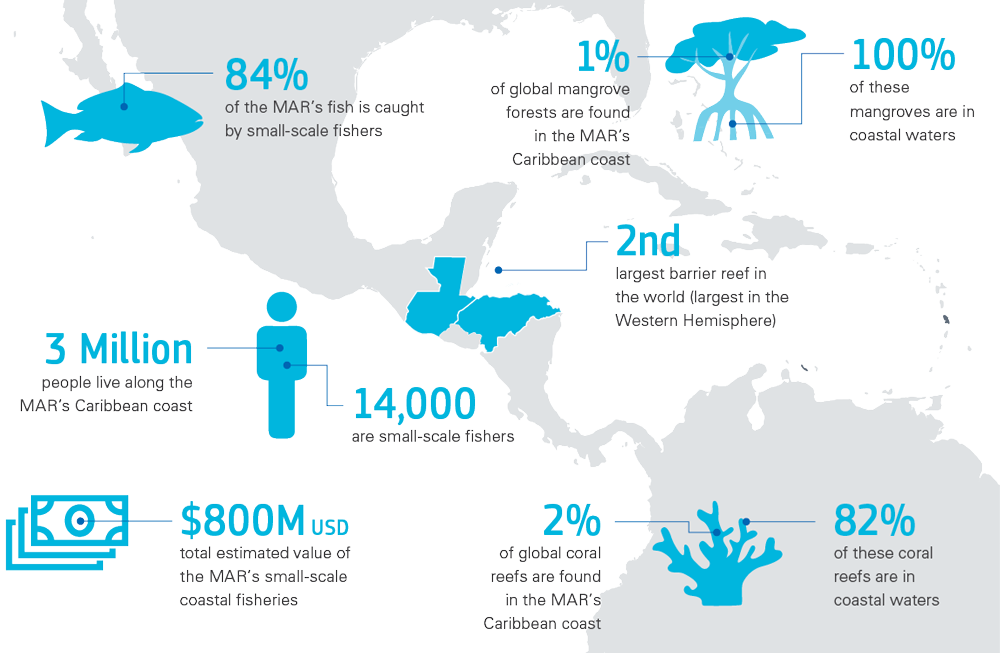
Along Honduras’s Caribbean coast, coral reefs, mangroves, and seagrass beds form part of the Mesoamerican Reef — the largest barrier reef in the Western Hemisphere. Small-scale fisheries are central to the region’s economy and culture, sustaining coastal communities and the millions of people who depend on the reef. Many of these same households also farm, linking healthy oceans and productive lands to local food systems and livelihoods.
These interconnected systems face growing pressures. Overfishing, land and habitat degradation, weak governance, and climate change are straining both marine and terrestrial ecosystems — threatening biodiversity, food security, and incomes.
In Honduras, Rare is advancing an integrated approach: working with fishers and farmers to restore fisheries and ecosystems, strengthen livelihoods, and build more resilient and community-led food systems. Through this work, we protect biodiversity, strengthen food security and livelihoods, advance gender equity, and support climate-resilient futures.
Strengthening community leadership on land and at sea
Rare partners with coastal communities and governments to strengthen fisheries management and local leadership. Our work centers on the Community Seas — the nearshore waters where millions depend on healthy fisheries for food and livelihoods. In Honduras, this work is increasingly connected with farming communities, helping households strengthen food security and income across both land and sea.
Rare works with coastal communities and local leaders to establish community-managed fishing areas with “no-take” marine reserves to protect and rebuild fisheries while strengthening livelihoods. Rare also works to secure these areas as OECMS, strengthening community rights and contributing to broader conservation goals.
Coastal 500 is the largest global network of mayors and local government leaders committed to fostering thriving and prosperous coastal communities.
The Rare approach to community-led conservation
We work with communities to lead conservation and build the conditions that help it last.
This includes strengthening rights, governance, livelihoods, and culture, while also working beyond the community level to ensure policies, finance, and other systems sustain these efforts over time.
In Honduras, this approach connects coastal fisheries and smallholder farming — recognizing how food systems, livelihoods, and ecosystems are deeply linked.
Designing solutions that work for people and nature
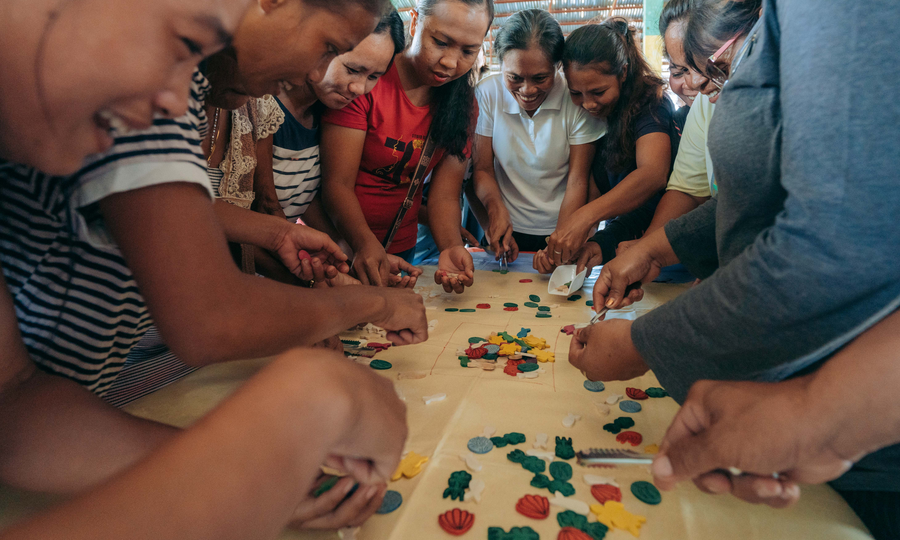
We design solutions grounded in how people make decisions and act. We work with communities to align new practices with local priorities, social norms, and daily realities — and use tools and technology to support adoption, learning, and scaling.
Strengthening policies that support community leadership
We work with communities and governments to shape policies that recognize local leadership and support long-term stewardship of natural resources.
Expanding access to finance for communities
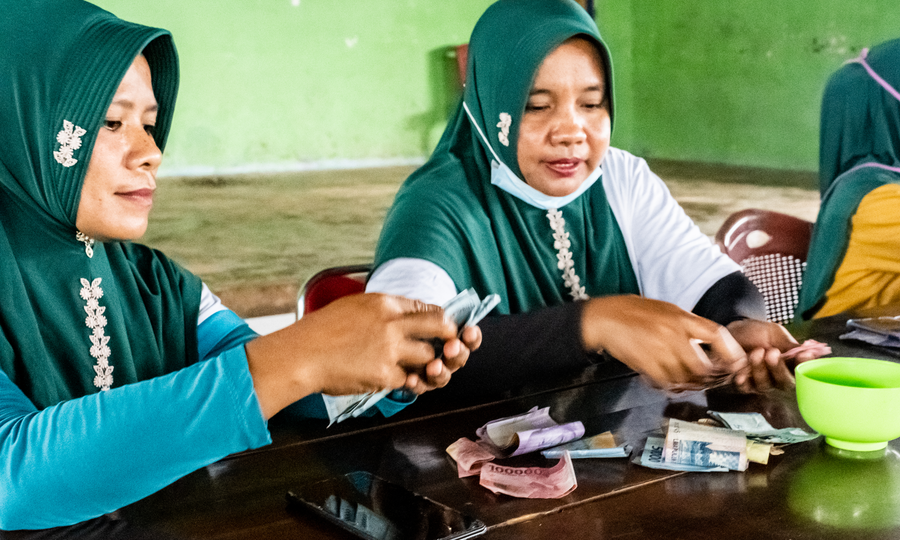
We connect communities to financial tools and opportunities that strengthen livelihoods and help them adapt to environmental and economic change.
Stay Connected
Sign me up for occasional emails to learn more about Rare’s work and how I can support its mission. I know I can unsubscribe at any time.
Partners in Central America
Rare works with a wide range of partners in Central America. The following is a sampling of our partners and supporters (past and present):
National government ministries (Ministry of Agriculture and Livestock, Fishing Directorate, port authority, and navy); municipal governments; fishers and fisher associations (Puerto Cortes, Utila, Guanaja, APROCUS Fisherman association in Honduras, Fisherman network in Guatemala); universities (Universidad Nacional Autonoma de Honduras); and civil society organizations (e.g., the Honduran Centre for Marine Studies, Smithsonian Institution).
Partner with us
Healthy oceans depend on strong partnerships and community leadership.
If you are interested in partnering with Rare in Central America or supporting community-led fisheries management, we would love to hear from you.
Contact Us
For more information on Rare’s work in Honduras, please contact us.