Best climate change charities
Climate change shapes nearly every part of daily life, from the food we eat to the coastlines we depend on. As extreme weather intensifies and ecosystems come under growing strain, climate change charities play a critical role in turning global challenges into local solutions. They support the people on the frontlines, strengthen resilience where it matters most, and help proven climate solutions take root.
The most effective climate charities recognize that lasting change starts with people. When communities are supported to lead, adopt climate-friendly practices, and protect the resources they rely on, small actions add up to meaningful, long-term impact. This people-centered approach helps climate action become practical, shared, and sustainable.
In this guide, you’ll discover some of the best climate change charities working around the world today. You’ll see how a combination of science, innovation, and community leadership can build a more resilient future. Whether you care most about conservation, climate justice, clean energy, or community-led solutions, this list will help you find a charity aligned with your values and your impact goals.
Why climate change charities are essential
Climate change is reshaping natural systems and human lives at the same time. Rising temperatures intensify extreme weather, disrupt ecosystems, strain water and food supplies, and increase health and economic risks for communities worldwide. Addressing a challenge this complex requires more than isolated interventions. It demands solutions that work across nature, livelihoods, and daily human behavior.
Climate change charities play a critical role in turning climate science and policy into action. Across research, advocacy, and on-the-ground implementation, they help encourage the protection of vital ecosystems. The best organizations ensure climate solutions are practical, equitable, and built to last, moving climate action from abstract goals to real-world progress.
Here are some key ways climate charities drive impact:
Driving sustainable innovation
Some climate charities test and scale climate solutions in real-world settings. The nonprofit, Rare, for example, encourages sustainable fishing, clean energy access, and climate-smart land management in ways that account for how people live, work, and make decisions. When innovation considers human behavior alongside technology, adoption increases and solutions endure.
As Sarah Lake, CEO of Tilt Collective, notes in Rare’s conservation thought leadership series, that food systems alone represent “one of the most important yet untapped climate and conservation opportunities.” By working with farmers, fishers, and local leaders, climate charities help communities transition to practices that reduce emissions, restore ecosystems, and strengthen food and water security without compromising livelihoods.
Supporting policy and advocacy
Lasting climate progress depends on policies grounded in science and shaped by lived experience. Some climate charities help bridge that gap by translating research into action and ensuring decision-makers understand community realities. Legal and advocacy organizations push for enforceable protections for air, water, wildlife, and public health, while grassroots and community-based groups inform policy from the ground up.
As independent climate advisor Athena Ronquillo-Ballesteros emphasizes, empowering frontline communities and securing their rights is central to achieving durable and long-lasting climate and justice solutions. When policies reflect the needs and knowledge of those most affected, outcomes are stronger and more equitable.
Education and community empowerment
Information alone rarely changes behavior. People need trusted messengers, social support, and practical tools to turn knowledge into action. Some climate nonprofits, like Rare, work within communities to build leadership, share skills, and shift social norms around sustainability.
Community-based programs that emphasize peer learning and local leadership have helped normalize climate-resilient practices, from sustainable food choices to resource stewardship. These efforts show how climate culture grows through everyday actions reinforced by community trust, not top-down mandates.
Reducing emissions and protecting nature
Forests, oceans, wetlands, and grasslands absorb carbon, regulate climate, and support biodiversity, but only when they remain healthy. Certain climate charities protect and restore these systems while partnering with the communities who depend on them.
By linking conservation with sustainable livelihoods, nonprofits help ensure nature-based climate solutions last. In coastal and agricultural regions especially, this integrated approach has proven effective at reducing emissions while strengthening long-term resilience for both people and ecosystems.
Some of the best climate change charities to support today
The following organizations are among some of the best climate change charities making significant progress toward a healthier, more sustainable future. Each combines science, innovation, and community leadership to create meaningful impact worldwide.
1. The Nature Conservancy

Mission: To conserve the lands and waters on which all life depends.
The Nature Conservancy is a global conservation nonprofit that protects critical ecosystems through science, community partnerships, and large-scale land and water stewardship. They advance regenerative agriculture, climate mitigation, and biodiversity protection across more than 70 countries.
Impact: In 2024, TNC advanced landscape-scale restoration, expanded protections for high-value habitats, and supported climate-smart agricultural initiatives worldwide.
2. Oceana

Mission:
To protect and restore the world’s oceans.
Oceana leads science-based campaigns that rebuild fisheries, reduce pollution, and safeguard marine habitats. By restoring ocean abundance and reducing destructive practices, Oceana strengthens the ocean’s ability to store carbon and regulate the global climate.
Impact: In 2025, Oceana secured new marine protections in California, Spain, Scotland, the Philippines, and Chile, safeguarding hundreds of thousands of square kilometers of ocean and advancing endangered species recovery.
3. Rare

Mission: Rare is a global nonprofit that unlocks the power of people to protect nature, fight climate change, and build resilient communities. Grounded in behavioral science and delivered through trusted partnerships, Rare helps fishing and farming communities adopt sustainable practices, restore ecosystems on land and at sea, and strengthen local livelihoods. Their work focuses on regions where biodiversity and climate vulnerability intersect, and where community-led solutions can have the greatest impact.
Impact: Rare’s people-powered approach has delivered measurable results at scale. More than 3.2 million people now benefit from improved fishing, farming, and conservation practices supported by Rare. The organization works with 2,000+ communities across nine countries, collaborating with 166,000 coastal fishers, 5,000 farmers, Indigenous Peoples, and networks of mayors and local leaders to safeguard critical ecosystems and strengthen local economies.
Through behavior-centered programs, communities working with Rare have increased sustainable fishing yields by up to 50% and helped restore 100,000+ hectares of forests and coastal habitats, improving food security, reducing harmful practices, and enhancing climate resilience. Rare also trains practitioners in behavior-centered design across 100+ countries, ensuring conservation solutions remain durable, locally led, and rooted in science.
Join Rare’s movement and see how people are leading climate action worldwide.
4. Greenpeace

Mission:
To protect the environment and promote peace by challenging environmental abuses.
Greenpeace is a global campaigning organization that uses peaceful protest, science, and advocacy to confront environmental harm and advance climate justice. They act independently to hold governments and corporations accountable.
Impact: Their recent work includes defending the Global Oceans Treaty, challenging fossil fuel expansion, addressing plastic pollution, and appealing a major SLAPP lawsuit aimed at silencing climate activism.
5. Rainforest Alliance

Mission:
To protect nature and improve the lives of farmers and forest communities using social and market forces.
The Rainforest Alliance promotes sustainable land use, protects forests, and supports farming communities through certification, market transformation, and community partnerships.
Impact: Their recent achievements include expanding sustainable agriculture programs, strengthening anti-deforestation initiatives, and improving livelihoods for forest-dependent communities.
6. Indigenous Climate Action

Mission:
To uphold Indigenous rights and sovereignty while supporting climate leadership within Indigenous communities.
Indigenous Climate Action is an Indigenous-led charity that advances climate solutions rooted in sovereignty, traditional knowledge, and community leadership. It supports nations and communities in governing land, water, and climate action.
Impact: In 2024, ICA expanded climate education programs, produced new Indigenous climate governance resources, supported community-led initiatives, and strengthened national advocacy rooted in Indigenous rights.
7. Climate Central

Mission:
To deliver independent science and reporting that help people understand and respond to climate change.
Climate Central translates climate science into localized, accessible information through advanced data tools, visualizations, and media partnerships. Their work equips the public and decision-makers with real-time climate insights.
Impact: Tools developed by Climate Central now reach 170+ countries. Their Climate Matters program covers 95% of U.S. media markets; and their Climate Shift Index provides daily global attribution of temperature extremes.
8. Good Energy

Mission:
To support storytellers in embedding accurate, compelling climate stories into TV and film.
Good Energy advises creators in the entertainment industry on portraying climate realities authentically. Through research, consulting, and its open-source Climate Storytelling Playbook, Good Energy helps normalize climate themes across media.
Impact: In the past year, Good Energy tested hundreds of films with their Climate Reality Check test developed to measure the level and raise awareness of “climate silence” in scripted entertainment.
9. Change Climate Project

Mission:
To reduce global carbon emissions by helping companies measure, reduce, and offset their carbon footprint.
The Change Climate Project certifies companies that measure and reduce emissions through rigorous, transparent climate action plans. Their Climate Label helps businesses and consumers make informed decisions.
Impact: Today, over 300 brands are certified under the Change Climate Project, more than 1 million tons of emissions have been measured and addressed, and $20M+ has been directed toward climate solutions via transition budgets.
10. Earthjustice

Mission:
To use the power of law to protect people’s health, preserve magnificent places and wildlife, and advance clean energy.
Earthjustice is the leading nonprofit environmental law organization. They use litigation and policy advocacy to enforce environmental protections, accelerate clean energy adoption, and defend communities on the frontlines of pollution and climate impacts.
Impact: Recent victories include eliminating misleading “climate-smart beef” claims, advancing electrification in California, restoring protections for endangered species, and defeating major fossil fuel infrastructure proposals.
11. One Tree Planted
Mission:
To make it simple for anyone to help the environment by planting trees.
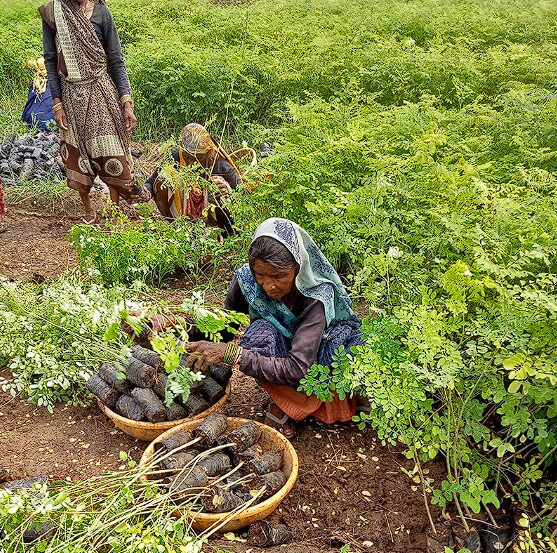
One Tree Planted is a global reforestation charity that restores forests, supports biodiversity, and strengthens community resilience through large-scale planting projects across more than 80 countries.
Impact: In the first decade, they planted more than 135 million trees, restored nearly 300,000 acres, expanded mangrove restoration, and advanced watershed and community-led planting efforts.
12. Earth Guardians


Mission:
To train diverse youth to become influential leaders who address climate and social justice issues.
Earth Guardians is a youth-led climate justice organization that empowers young people around the world through training, community Crews, activism, arts, and Indigenous leadership programs.
Impact: In 2024, Earth Guardians doubled its global crews to 101, trained more than 1,000 youth, funded 68 projects expected to benefit 500,000 people, and expanded Indigenous and youth leadership initiatives worldwide.
13. Environmental Defense Fund (EDF)

Mission:
To preserve the natural systems on which all life depends through science, advocacy, and partnerships.
Environmental Defense Fund (EDF) is a science-driven global nonprofit tackling major climate and conservation challenges. They work across sectors to help reduce emissions, strengthen environmental policies, and support sustainable food and energy systems.
Impact: EDF advanced methane reduction commitments, expanded climate-smart agriculture initiatives, strengthened coastal resilience programs, and influenced global climate policy through new partnerships and scientific research.
14. World Wildlife Fund (WWF)

Mission:
To conserve nature and reduce the most pressing threats to the diversity of life on Earth.
World Wildlife Fund is a global conservation organization that protects wildlife, restores ecosystems, and advances nature-based climate solutions across nearly 100 countries. They partner with communities, governments, and scientists to safeguard biodiversity and strengthen climate resilience.
Impact: In 2024, WWF helped secure 3.3 million hectares for new conservation areas, improved forest management across 2.4 million hectares in Southeast Asia, restored 1.74 million hectares of watersheds, supported climate adaptation programs reaching 680,000+ people, protected 100,000+ sea turtles, advanced species recovery, and contributed to the protection of 1+ million square kilometers of ocean habitat.
How to choose the best climate change charity for your values
Supporting climate action is meaningful — and choosing the right charity helps ensure your contribution generates real impact. Here’s how to evaluate the best climate change charities for your goals:
Transparency in Results
Look for organizations that share measurable outcomes, such as acres restored or communities supported. Rare’s transparent reporting, for instance, highlights people-powered impact at scale, from 3.2 million people benefiting from improved fishing, farming, and conservation practices to 166,000+ fishers and 5,000+ farmers adopting sustainable approaches.
Community-led focus
Choose charities that elevate the people closest to climate impacts and solutions. Community-led organizations work with local leaders, Indigenous groups, farmers, and fishers to design climate strategies that reflect lived experience and local priorities.
These solutions tend to be more durable and equitable because they come from the ground up. Rare’s approach demonstrates this clearly: by helping communities steward land and water, adopt sustainable practices, and shift social norms, the work endures long after a project ends.
Long-term impact
Prioritize long-term projects like ecosystem restoration, regenerative agriculture, or behavior change initiatives that help people adopt sustainable practices over time. Efforts that focus on how individuals and communities make decisions tend to create durable results, reinforcing climate-friendly habits that last well beyond a single campaign or short-term intervention.
Take action for the climate
Climate change can feel overwhelming, but millions of people taking small actions together creates powerful momentum. When individuals, communities, and organizations align around shared goals, everyday choices can add up to meaningful, lasting impact — especially when those actions are supported, reinforced, and scaled.
Rare stands out among the best climate change organizations because they help individuals and communities become catalysts for global change. Their work is grounded in science, shaped by community leadership, and focused on hope, not fear.
Help shape a global climate culture rooted in action and community today.
Connect with Rare to learn more about people-centered solutions and stay/get involved.
FAQs about climate change charities
What’s the most effective climate change charity?
Effectiveness depends on what you care about most. Whether that’s protecting oceans, restoring forests, advancing policy, or supporting community-led solutions. Rare is especially effective for people-centered climate solutions, using behavioral science to help communities shift habits, protect natural resources, and create lasting change.
How can individuals help fight climate change?
Individuals can make meaningful contributions by eating plant-rich meals, reducing food waste, using clean energy, supporting regenerative agriculture, and advocating for community solutions.
Are climate change donations tax-deductible?
Most major climate nonprofits, including Rare, are registered charities, meaning donations are typically tax-deductible. Check each organization’s 501(c)(3) status or local equivalent.
What is the best charity to donate to for the environment?
The best environmental charity aligns with your values and delivers measurable results. Look for organizations that help protect ecosystems, reduce emissions, and/or support communities over the long term. Rare focuses on solutions that benefit both people and nature by helping communities lead sustainable fishing, farming, and conservation efforts.
What is the most trustworthy charity?
Trustworthy charities share clear impact metrics, operate transparently, and work in partnership with the communities they serve. Independent evaluations, public reporting, and long-term results are strong indicators of credibility.