What Rare Is Doing With AI
A Pocket Guide for the AI for People & Nature Symposium
ACTIVE SOLUTIONS
Amazon Coast Climate Data Initiative (IASmin)
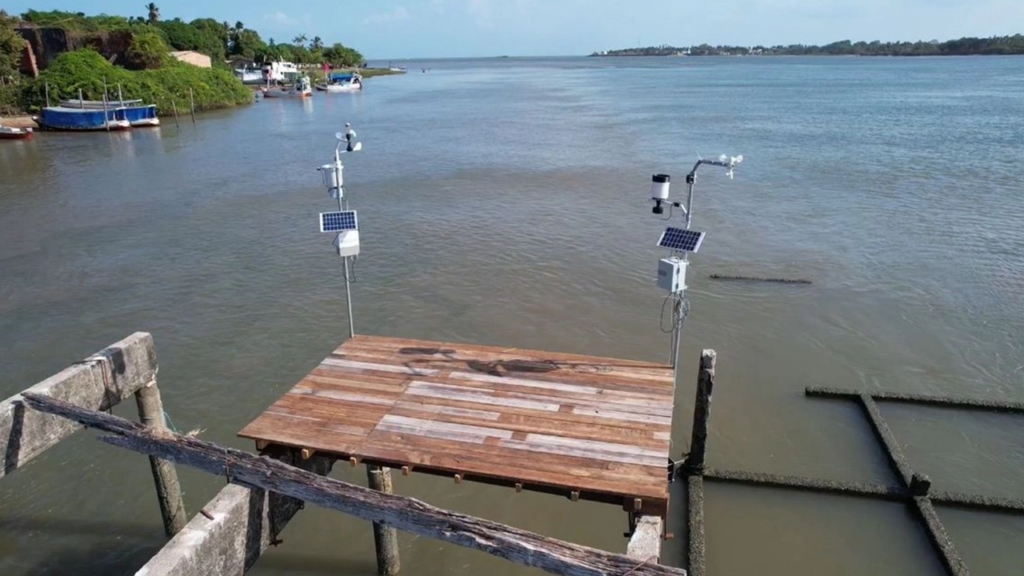
AI turns real-time coastal data into WhatsApp voice alerts that help fishers and oyster farmers plan, adapt, and protect their livelihoods.
📍 Location: Brazil
🟢 Status: Early traction with active pilots
Details
The Problem
Climate change has made the Amazon coast, tides and salinity increasingly unpredictable for 44,000+ families who depend on predictable patterns for fishing, oyster farming and safe homes.
What AI Changes
AI interprets data from low-cost sensors and sends accessible voice and text alerts via WhatsApp—tide forecasts, flood warnings, and climate guidance in formats designed for varying literacy levels.
Impact So Far
- Currently with 15 families; plan to scale to thousands of families across Pará and Maranhão
- Communities successfully adapting to flood risks, saving critical resources
- Oyster farmers report increased production and better daily planning
- The piloted Natural Amazon Oyster Bank generated USD $42,800 in economic impact
Partners
Accenture, Marine Environmental Monitoring Laboratory (LAPMAR/UFPA), Secretary of Environment of Pará State (SEMAS)
Learn More
Agent Tierra
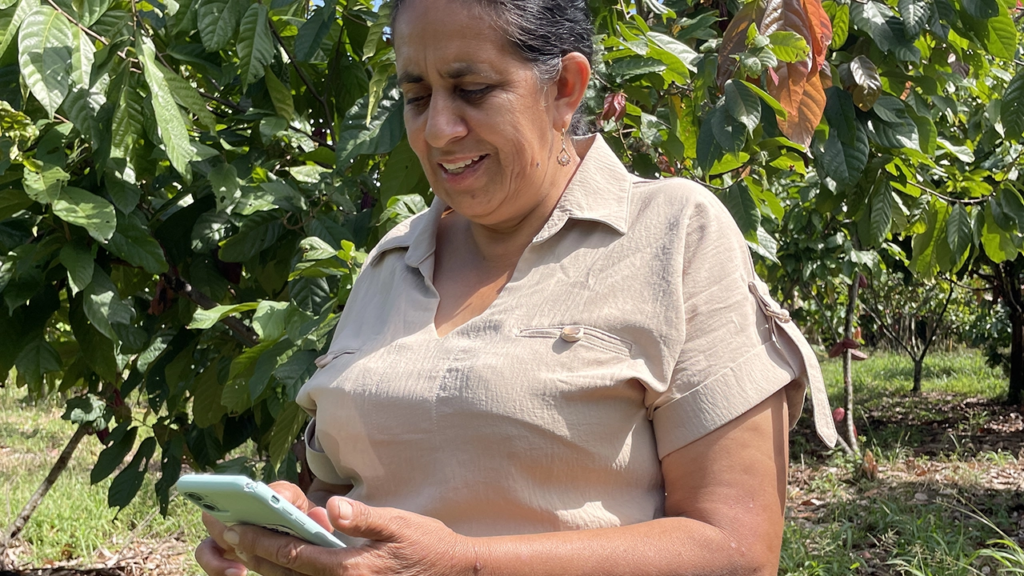
AI delivers personalized farming guidance through WhatsApp, helping smallholder farmers adopt climate-resilient practices that protect both livelihoods and nature.
📍 Location: Colombia
🟢 Status: MVP with 24 farmers
Details
The Problem
Small farms produce one-third of global food but farmers lack expert support to adapt to climate change, which has already reduced agricultural productivity by 21% since 1961.
What AI Changes
An AI extension agent provides real-time, science-based advice on pest management, soil health, and regenerative practices via WhatsApp—designed for 2G connectivity and affordable phones, with human agronomists always available.
Impact So Far
- 23 of 24 farmers found Agent Tierra easy to use
- All 24 farmers want to continue using it
- Recognized at COP 30 and demoed at Salesforce Dreamforce 2025
- Pilot in Meta, Colombia; expanding to Philippines
Partner
Salesforce
Learn More
Climate Change Vulnerability Assessment (CCVA)
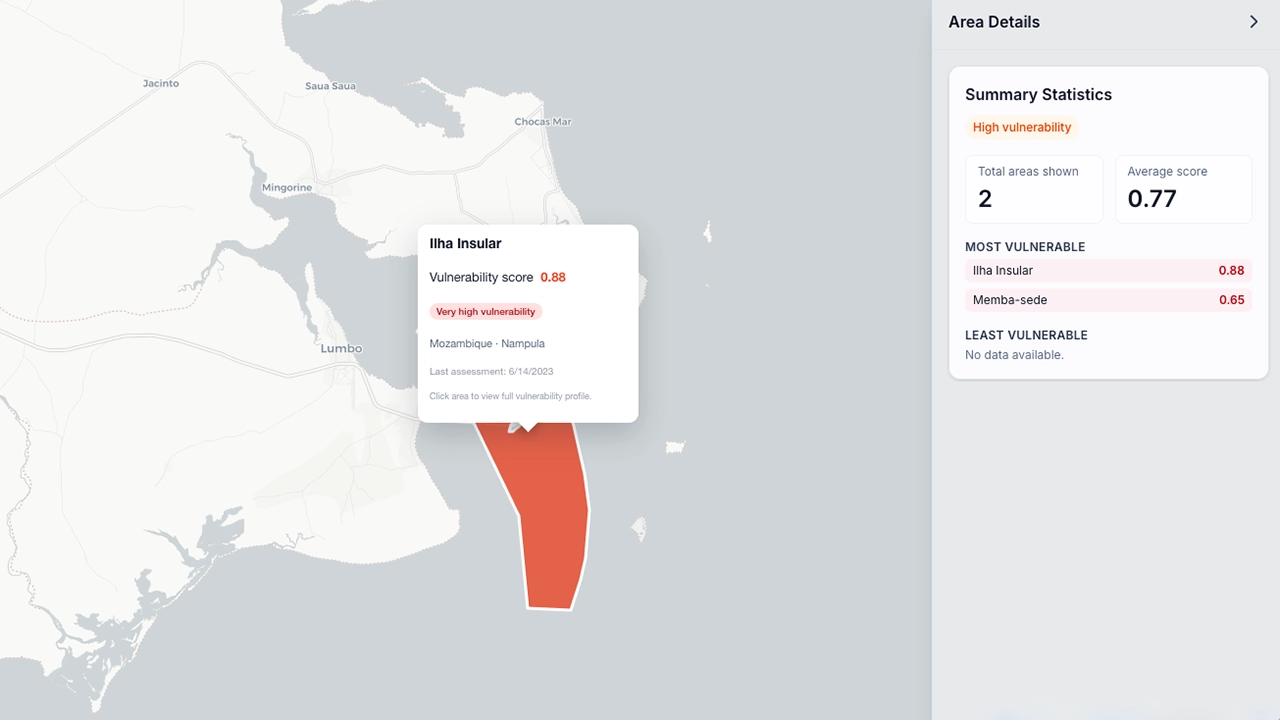
AI helps translate complex climate risk data into clear vulnerability insights that coastal communities and planners can act on.
📍 Location: Global
🟢 Status: Live platform with AI enhancements active
Details
The Problem
Coastal communities face interconnected climate risks but local decision-makers often lack the tools to translate complex climate data into concrete action.
What AI Changes
Rare’s Climate Change Vulnerability Assessment (CCVA) platform analyzes over 30 scientific indicators to create a comprehensive vulnerability score for each coastal area. Now, Rare uses AI to interpret mountains of data produced by the CCVA and generate plain-language explanations of why an area is vulnerable, which factors are driving risk, and what adaptation actions would be most effective given local conditions.
Impact So Far
- Analyzes 30+ variables across coastal areas globally
- Integrated with Rare’s 450+ fishing community network
- Helps funders and planners identify where resources will have greatest impact
Partner
Blue Action Fund
Learn More
Enhancing tech tools for protecting fisheries
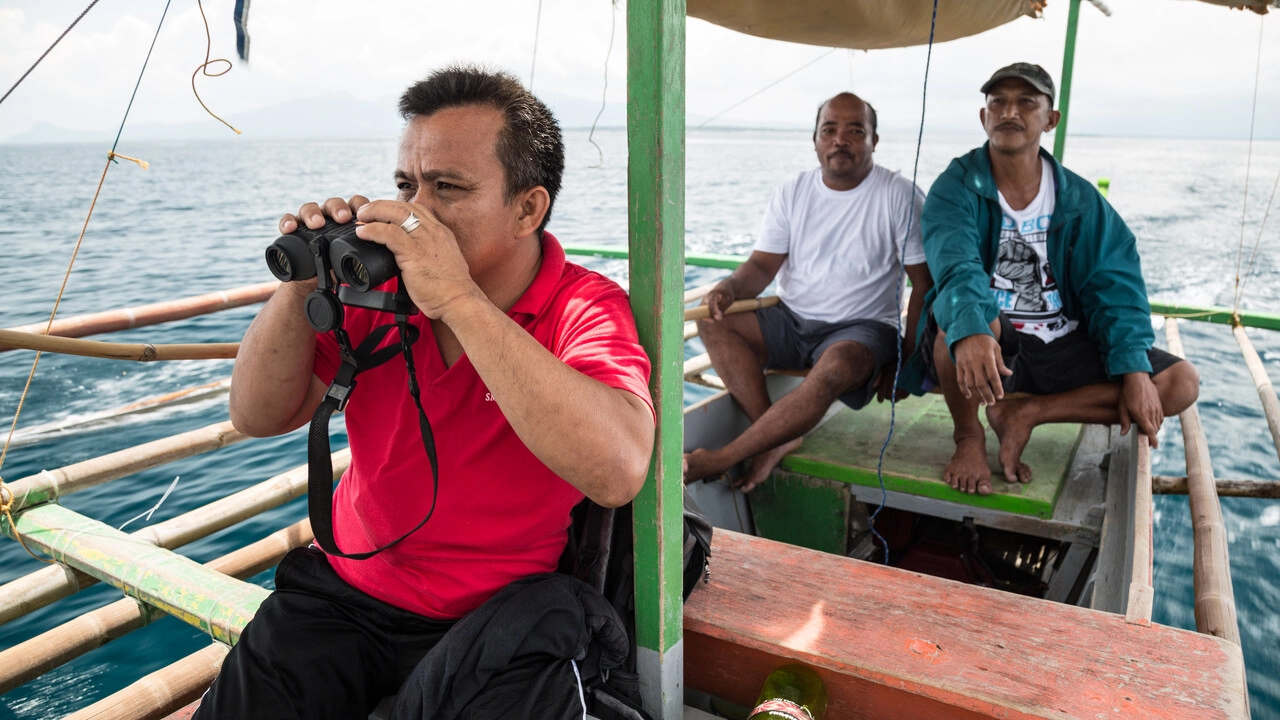
AI transforms patrol data into timely insights, helping community guardians protect fisheries more effectively.
📍 Location: Global
🟡 Status: Exploratory partnership
Details
The Problem
Community-based volunteers patrolling for illegal fishing can’t be everywhere at once, and they often lack the technical tools to move beyond reporting what they observe.
What the Platform Does
Using EarthRanger, a platform that collects and shares real-time data from patrols, Rare built a dashboard that translates patrol observations into a clearer picture for users of where enforcement is happening and where illegal fishing is occurring. Rare then applies AI to generate concise summaries and insights, putting timely, useful information into the palms of community protectors.
Partner
The Allen Institute for Artificial Intelligence
Learn More
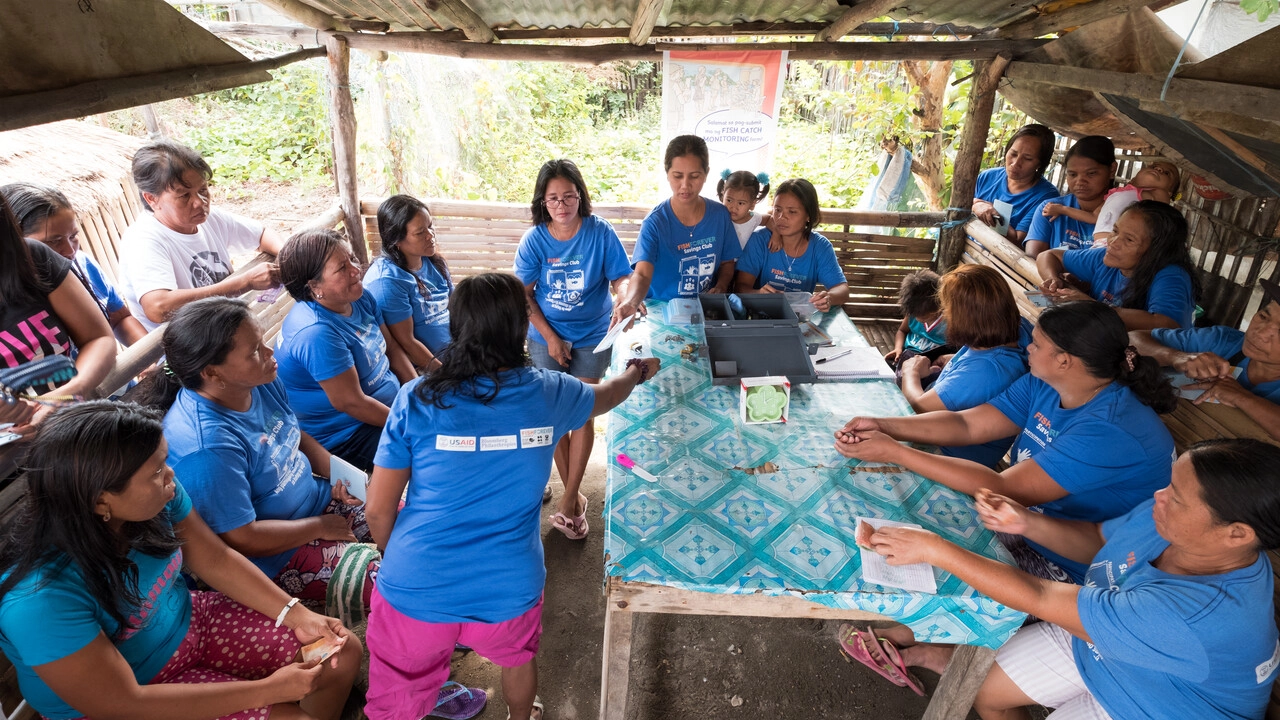
Keeping our finger on the pulse of communities
Exploring AI to help synthesize community insights and internal knowledge for better fisheries management decisions.
📍 Location: Global
🟡 Status: Exploratory partnership
Details
The Problem
Community perspective is difficult to acquire, make sense of, and integrate into programs and initiatives.
What the Platform Does
The Apurva.ai platform captures the voices and perspectives of communities on the frontlines of climate change and quickly analyzes feedback and wisdom, often in the form of recorded interviews, to help NGOs and governments adapt in real time based on people’s experiences.
Learn More
Change Agent
Exploring AI to bring behavioral science expertise to conservation and climate interventions globally.
📍 Location: Global
🟡 Status: Proof-of-concept prototype

Details
The Problem
Behavior change expertise is scarce and most interventions underperform as a result. Practitioners want to apply behavioral insights but lack the necessary knowledge and resources, leading to a capacity gap and programs that ignore human dynamics.
What AI Changes
Change Agent is an AI tool—currently built as a functioning proof-of-concept—that draws on cross-sector behavioral science research to help practitioners design stronger, more effective interventions. We aim to bring world-class expertise to organizations that lack specialized behavioral scientists.
Partner
World Economic Forum
The Opportunity
Global uptake of behavioral solutions could achieve up to 40% of greenhouse gas emissions reductions required to reach drawdown.
Rare’s Approach to AI
Rare uses AI to accelerate outcomes for people and nature—increasing insight and taming complexity so adaptation and resilience solutions reach more people faster, at lower cost, and with communities actively involved.
How this shows up in practice:
- Human-centered by design – built around insights on people, using Behavior-Centered Design
- Community-in-the-loop – supports shared decisions while local actors retain agency
- Complexity reduction, not automation – powerful tools to ease action, not replace judgment
- Local-first intelligence – pairs global models with local data, lived experience, and cultural context
- Accessible and cost-efficient – mobile-first, lightweight tools for low-bandwidth, low-resource environments
- Impact-aligned and mission-bound – deployed where it advances resilience, equity, and climate outcomes
AI is not the goal. Human and nature outcomes are.
How to stay in the loop
Subscribe to our newly launched Substack publication, Rare: AI for People & Nature where we share updates and perspectives connecting the emergence of AI with the frontlines of conservation.