From October 19-30, world leaders and biodiversity champions will gather in Yerevan, Armenia for the United Nations Biodiversity Conference (COP17). The gathering is a wellness check on the Kunming-Montreal Global Biodiversity Framework (KMGBF) and a critical test of whether commitments are turning into results.
Rare’s delegation will focus on strengthening support for community-led solutions to safeguard biodiversity. Are countries committed to giving communities the rights to lead in the protection of natural resources? Will public, private, and philanthropic funders commit to mobilizing financial resources that better reach the frontlines of our conservation challenges? Will local communities be represented at the decision-making tables?
Those are some of the big questions Rare has heading into COP17. Here is what five members of our delegation will be looking for:
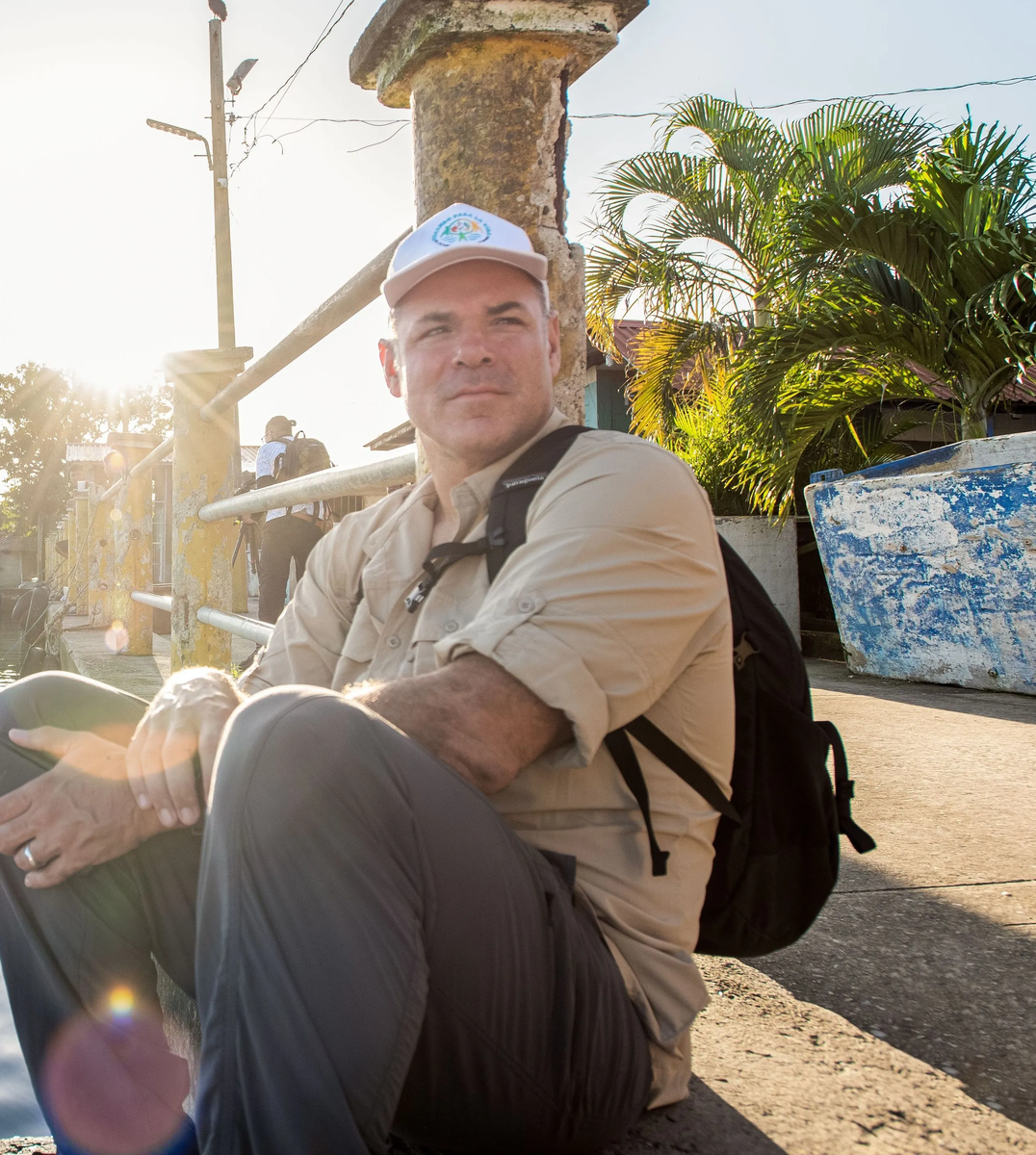
The resilience of local communities is directly linked to the health of their surrounding ecosystems. COP17 must center on the rights, leadership, knowledge and stewardship of Indigenous Peoples and local communities, who are best placed to lead stewardship of their natural resources. I am looking forward to seeing real commitments to scaling support for community-led conservation, including resource mobilization for more direct financing and support for Indigenous Peoples and local communities.”
Caleb McClennen
President, Rare
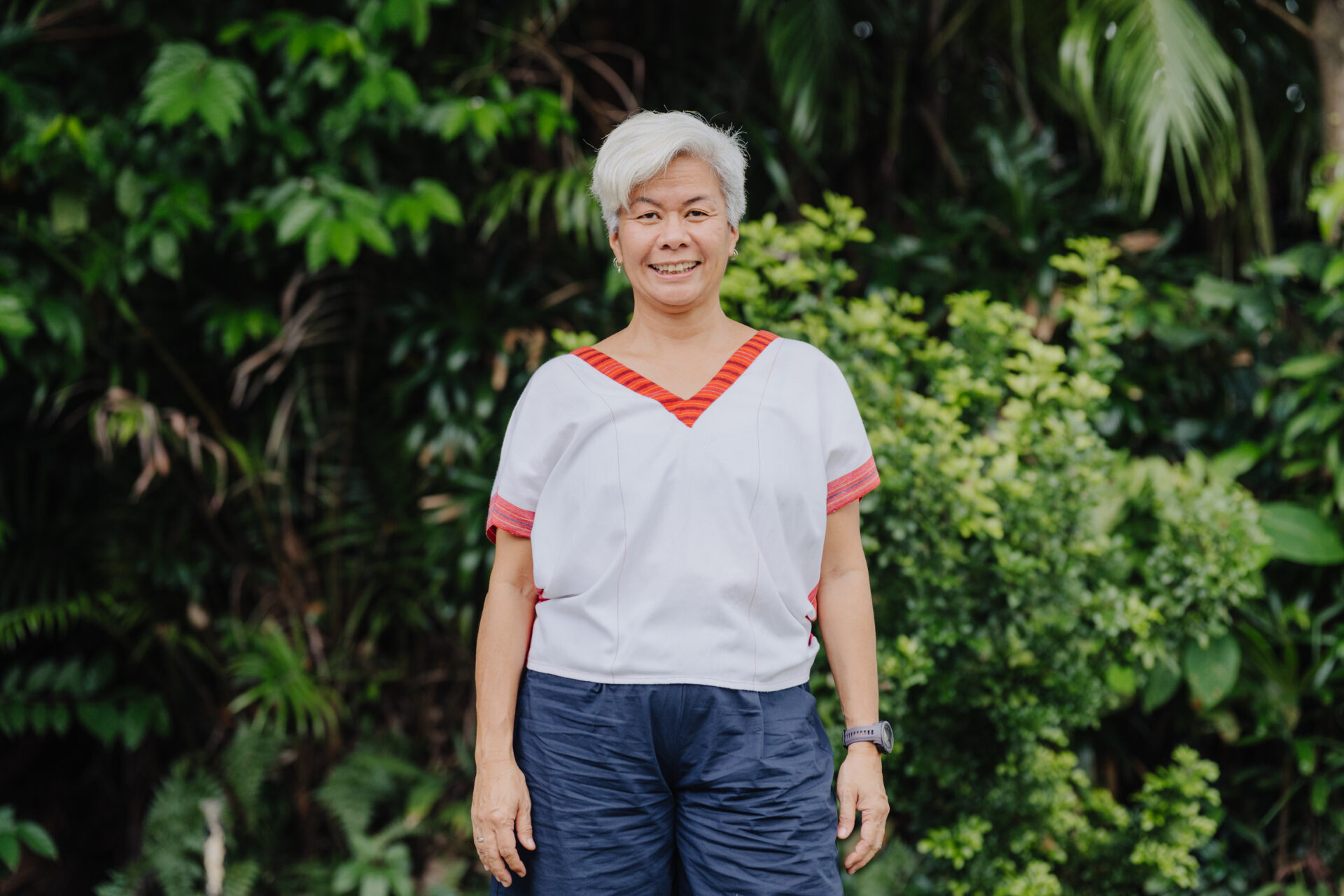
The recently launched Ocean Protection Gap Report found a big gap between terrestrial and marine 30 by 30 pledges. I will be watching to see whether national government commitments are backed by real plans for effective, locally-led protection rooted in good governance, and financed long term. We can’t achieve effective coastal management without the leadership of local communities as stewards of their own waters.”
Rocky Sanchez Tirona
Managing Director, Regional Programs
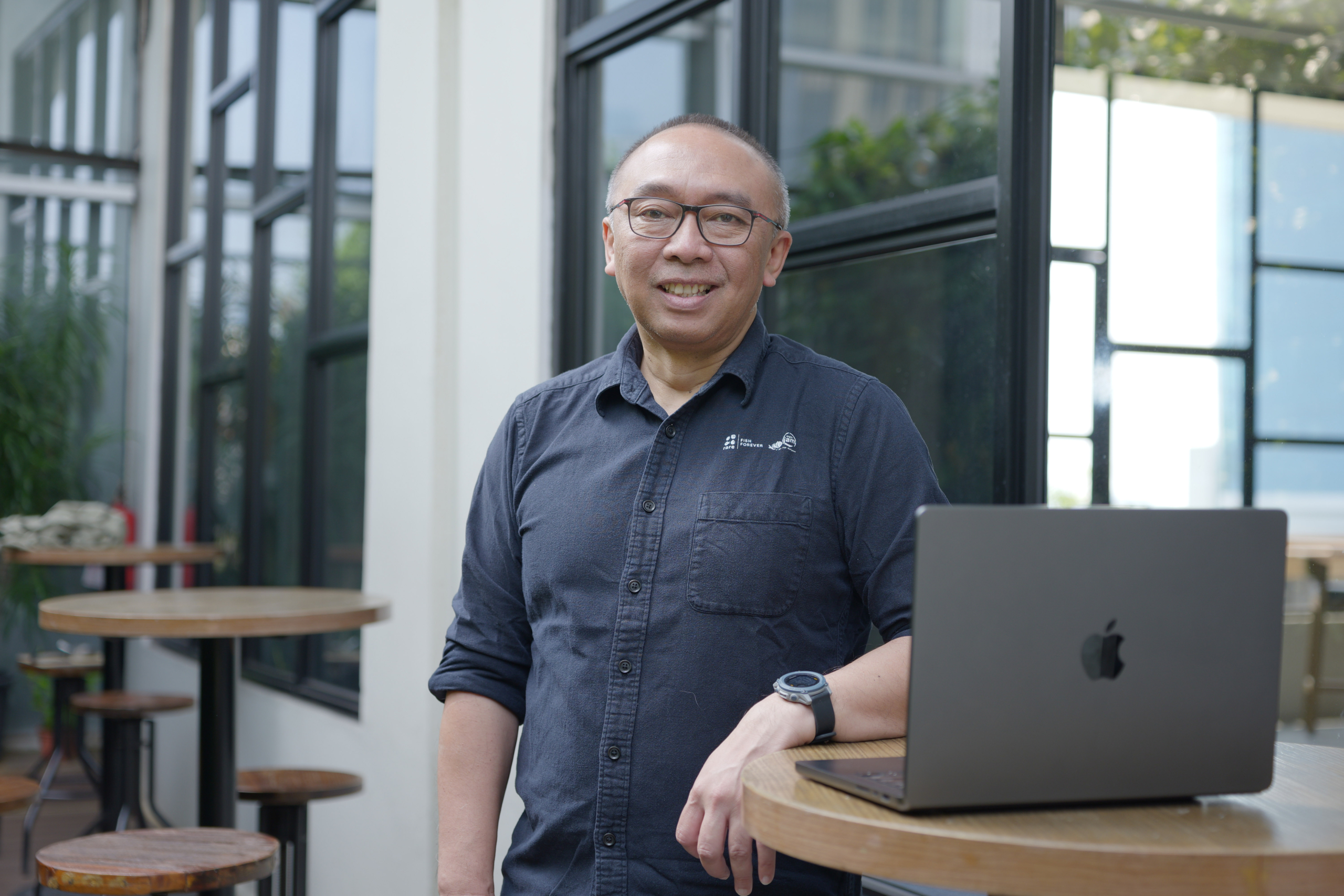
In Indonesia, our national government is advancing its commitment to ocean protection by officially recognizing the work local communities are already doing to protect biodiversity rather than create a new set of rules. At COP17, I want to see countries enshrine community–led coastal protection through OECMs as a path toward advancing sustainable fisheries, food security climate resilience, and local livelihoods.”
Hari Kushardanto
Vice President, Indonesia
COP17 is a test of whether the world is serious about mobilizing the $200 billion per year we need to protect biodiversity globally. That will require more and bigger pools of capital. I want to see national governments and the private sector embrace outcomes-based finance as a pathway to bringing in investors who used to hesitate to support conservation because of no clear return. Rare’s Deep Blue initiative to connect investors with verified results is an important part of the solution.”
John Whalen
Vice President, Innovative Finance
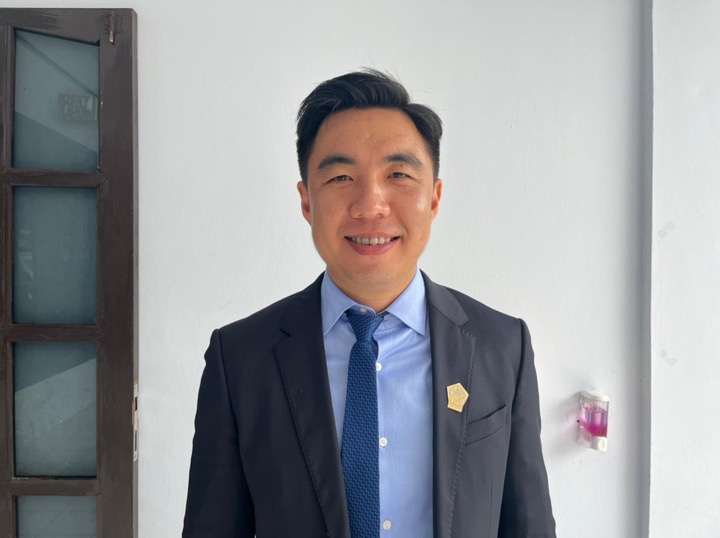
Local governments shape many of the decisions that determine whether conservation and climate resilience plans succeed. Yet, too often, we are expected to deliver on global commitments without sufficient authority, finance, or representation. National governments, donors, and negotiators must change that. Local governments and communities need a meaningful role in national biodiversity and climate plans, and better access to finance.”
Michael Thungari
Bupati of the Sangihe Islands, Indonesia & Coastal 500 Representative
(Read his full op-ed along with other members of Coastal 500)
Photo from Teras Manado