Through their lens: How coastal communities used photography to document conservation in Indonesia
The following article was written by Gwendolyn Chow, a Master of Science graduate from the University of California, Santa Cruz, who partnered with Rare on a participatory photography project in Indonesia.
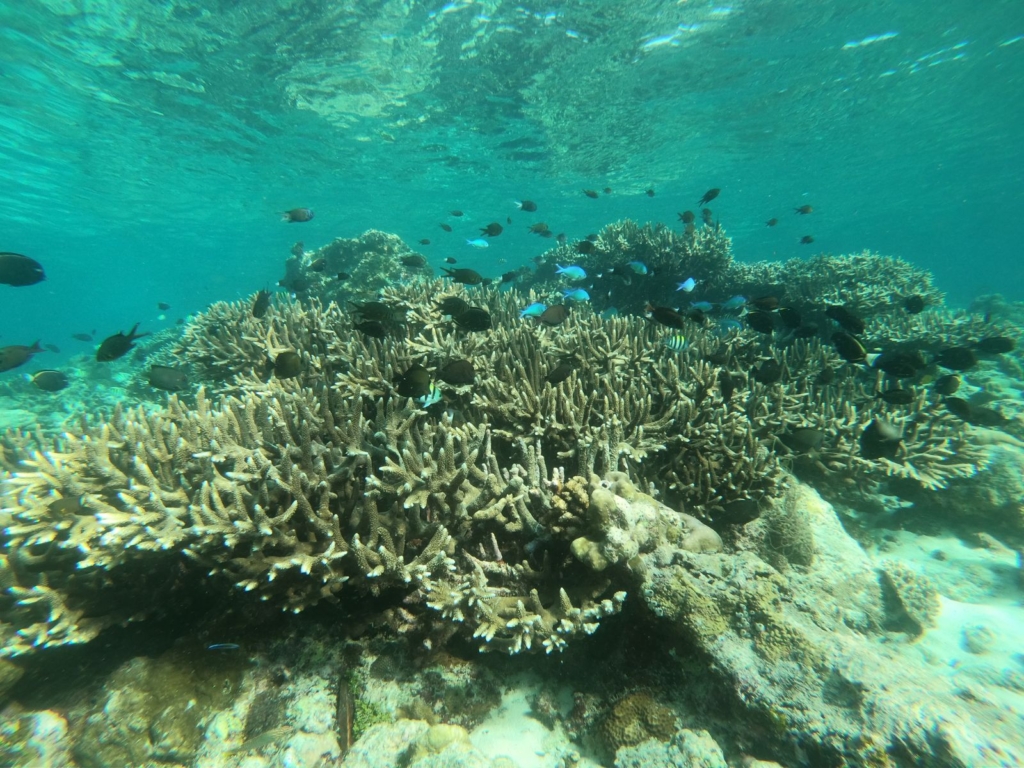
“This coral reef here was hit by fish bombing in 2005,” said spearfisher Pak Larami, showing me an underwater photo captured with a GoPro camera I lent him.
For more than 20 years, Pak Larami has fished in the coastal waters of Mopaano village on Indonesia’s Buton Island. “Previously, illegal fishing was rampant, but with the [fisheries management area], there is now supervision. And thank God, coral reefs that were bombed several years ago have started to regrow.”
Pak Larami’s photo is just one of 46 photo stories collected by community members across Buton Island as part of a participatory photography project I led with Rare’s support.
Capturing daily life through participatory photography
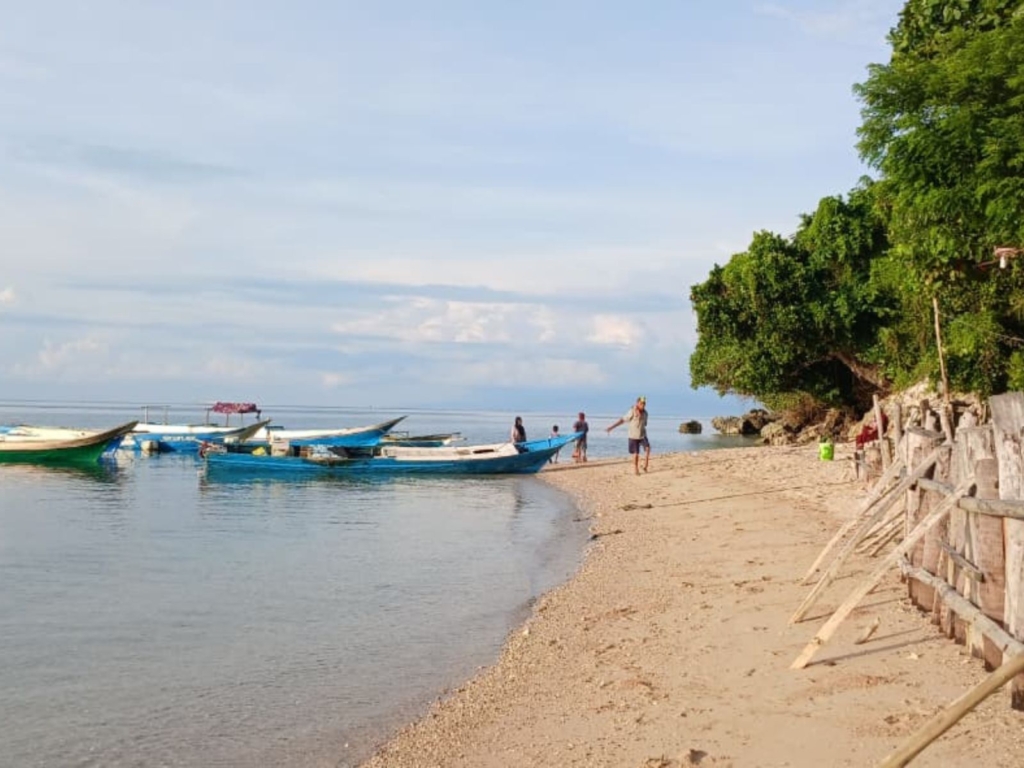
Participatory photography, more commonly known as PhotoVoice, has long been used as a research and advocacy tool for participants to document their lived experiences through photographs and storytelling. Historically, it has been used infrequently in evaluating the impact of natural resource management, particularly in marine and fisheries contexts, leaving an opportunity to test new approaches.
As a Master of Science candidate in Coastal Science and Policy at the University of California, Santa Cruz, I was interested in piloting participatory photography on Buton Island within a community-managed fisheries area known locally as the Siotapina-Lasel managed access area with reserve (MA+R). Since 2022, the MA+R has prohibited illegal and unsustainable fishing practices while giving communities a greater role in managing their coastal resources. Through this project, I aimed to evaluate the effectiveness of this new management approach from the perspective of local communities.
Over two months, I invited 13 fishers, women, fish traders, and government leaders from six villages to embark on a collaborative journey of creation and learning. After attending a training workshop introducing the concept of PhotoVoice, participants had one week to photograph the environmental and social changes observed in their daily lives since the start of the MA+R. One by one, I collected photos and accompanying stories, getting to know each of my participants on a personal level. We then held group discussions, where participants had a safe space to share experiences and exchange ideas on how to improve the MA+R.
Recovery beneath the waves
The majority (five out of six) of fisher participants photographed environmental changes and expressed that ecosystem health and certain fish species were starting to recover, especially coral reefs, which had long suffered from destructive blast fishing.
Pak Muharuddin, the village chief of Kumbewaha, echoed a similar sentiment. “Thank God, after [the MA+R] was introduced, many programs were implemented, resulting in cooperation between the village and the [MA+R] group, which led to establishing a marine monitoring system,” he shared. “As a result, activities that disturb the community, such as fish bombing, have decreased.”
Change beyond the reefs
The portrayal of social changes experienced by the participants and their communities was equally compelling. Many believed that increased awareness of the PAAP through awareness-raising activities and daily mutual reminders among fellow fishers has led to the adoption of environmentally friendly practices like choosing sustainable fishing gear and limiting the capture of small fish.
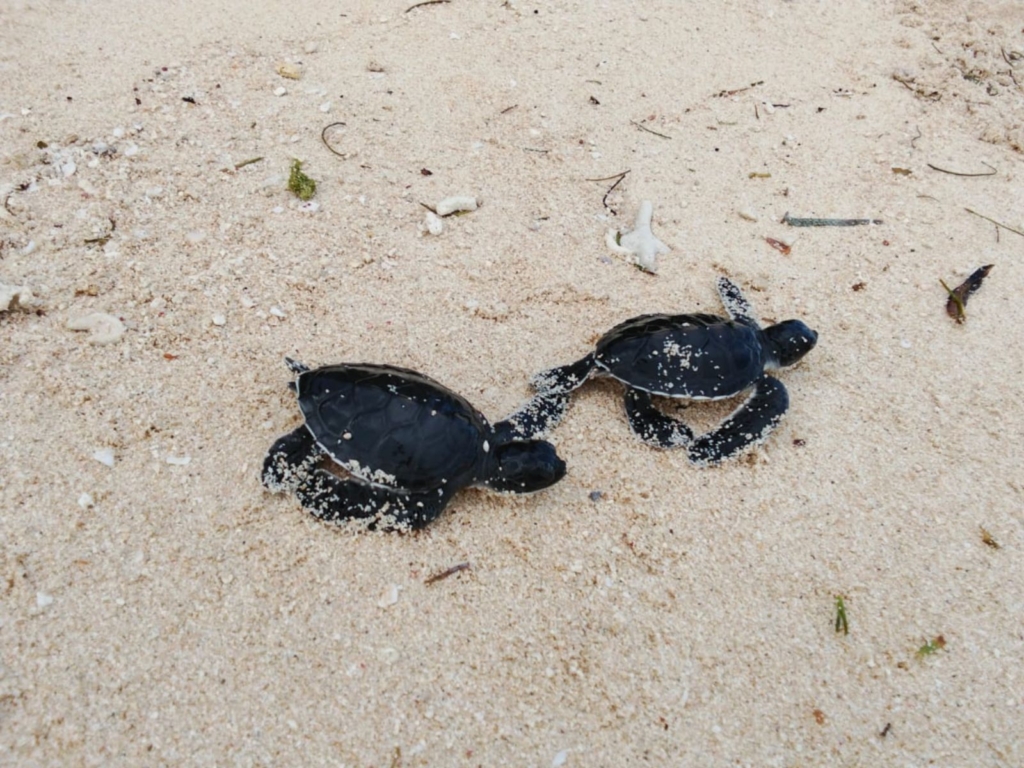
For Pak Awal, a handline fisher from the village of Mopaano, the creation of the MA+R sparked a personal transformation. “I used to be a sea turtle egg hunter. However, after the [MA+R] came along, I was informed that sea turtles are protected animals,” he shared. “This motivated me to get involved in conservation.”
Instead of collecting and selling turtle eggs, Pak Awal now collects vulnerable turtle eggs to incubate them in his self-made hatchery. On top of his daily fishing activities, he personally cares for new hatchlings for several weeks before releasing them into the wild.
“This activity is a source of pride for me because I do it as a form of environmental awareness,” added Pak Awal. “I hope the government can provide adequate facilities so that I can do this even better in the future.”
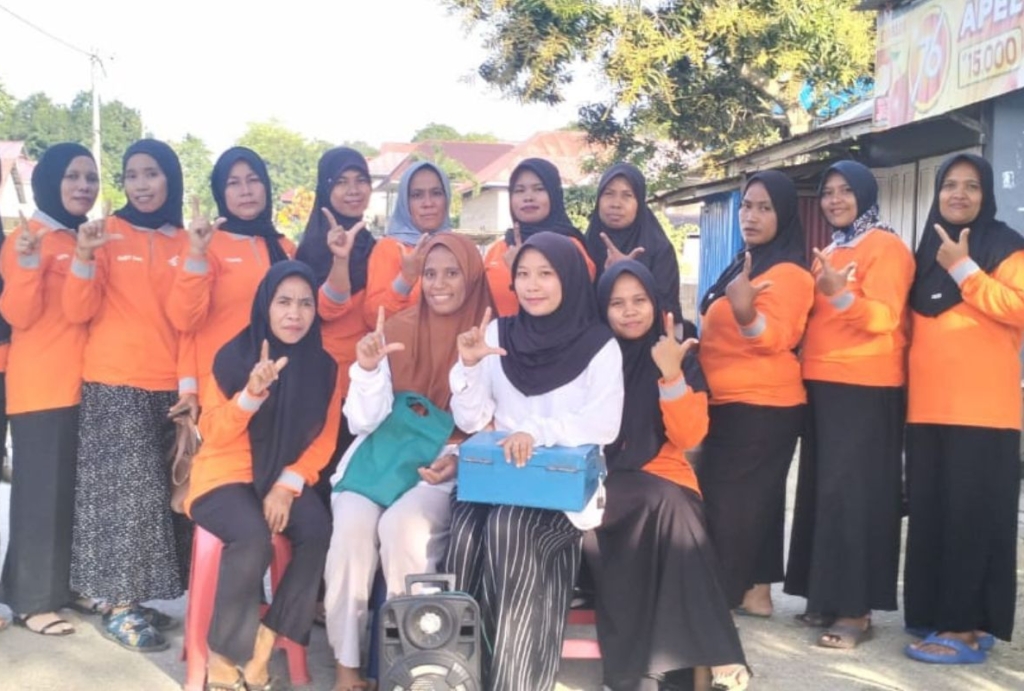
Many women participants also mentioned the impact of savings clubs introduced alongside the MA+R to strengthen financial resilience. “Before, we didn’t know how to save,” said Ibu Lasman, secretary of the Penyu Lestari savings club in Mopaano. “The savings club really helps us manage our household finances to save our income and our husbands’ earnings in case of bad weather when they cannot go fishing.”
Some families have even used their savings to upgrade to stronger fiberglass boats that are more durable than wooden boats.
Alongside highlighting the MA+R’s positive impacts, participants also documented persistent social challenges. For example, in Mopaano village, fishers highlighted the lack of a fishing dock, which made it difficult to access the sea at low tide. As a result, fish bombers have increased illegal activities during low tide, knowing that community patrol or fishing boats often cannot reach them.
Through photography and storytelling, participants painted a nuanced picture of community-led conservation marked by progress, persistence, and the everyday challenges of life along the coast.
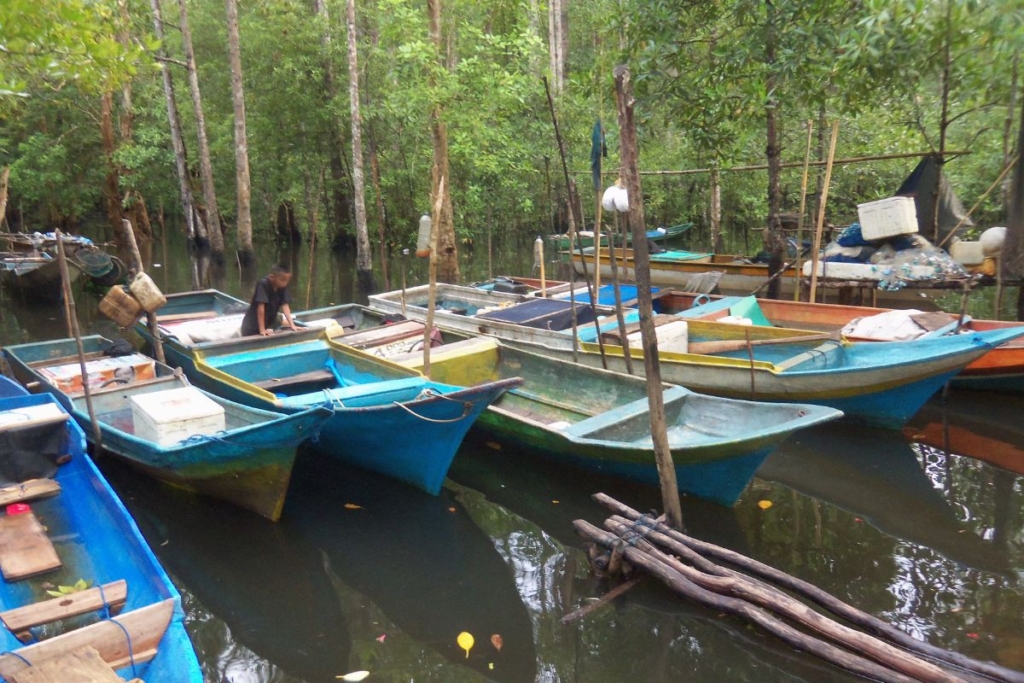
“This is where the fishing boats dock in the village of Ambuotogo. In the past, fishermen used wooden boats, but now they all use fiberglass boats. They replaced their boats without any assistance from the government, using only their own income that they had saved through [the savings club].” – Pak Nas Rudin, leader of the Ambuotogo Fisheries Management Body
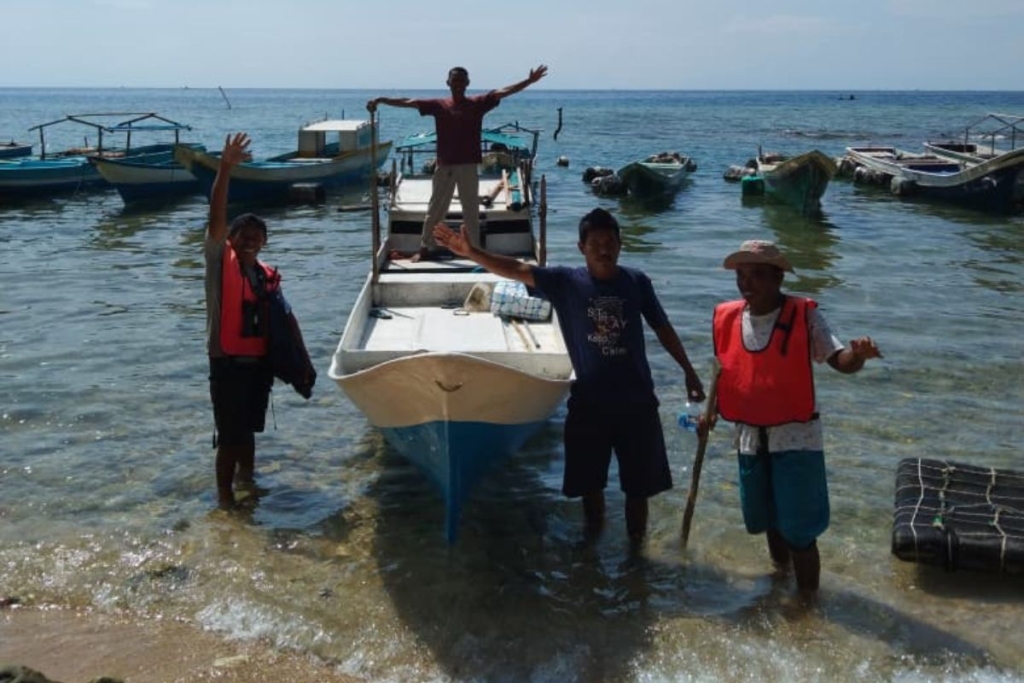
“This is a photo I took when we returned from monitoring. These are fishermen in Manuru village who helped me with monitoring at Siotapina Lasalimu Selatan MA+R. Previously, they didn’t really care about monitoring, but because they always saw us doing it, they finally agreed to participate and became very enthusiastic.” – Pak Budi, leader of the surveillance division
From photos to public dialogue
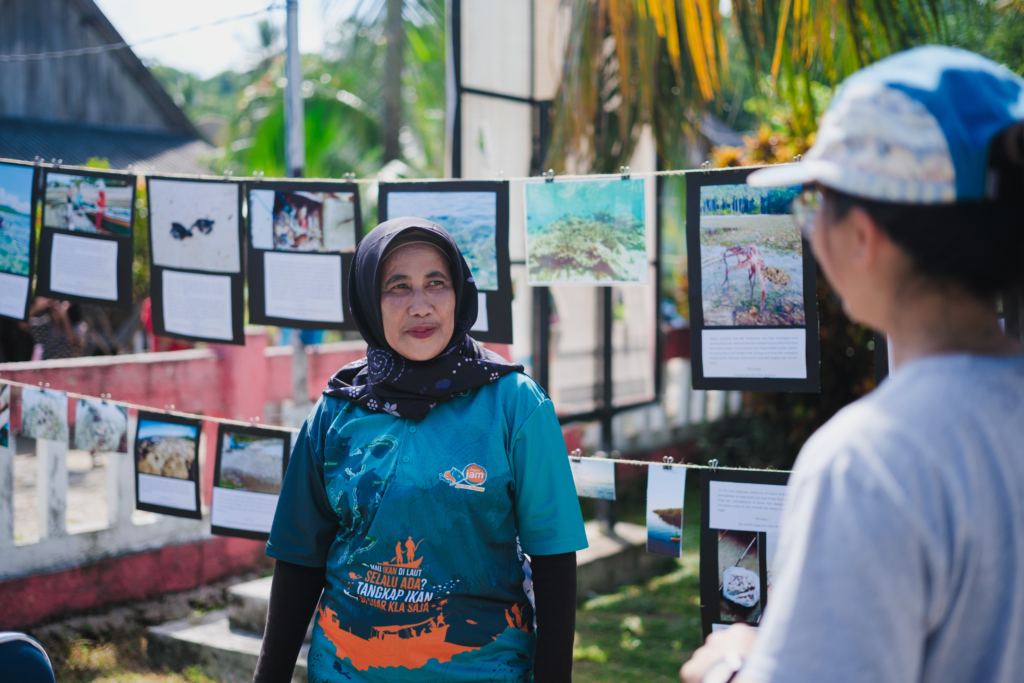
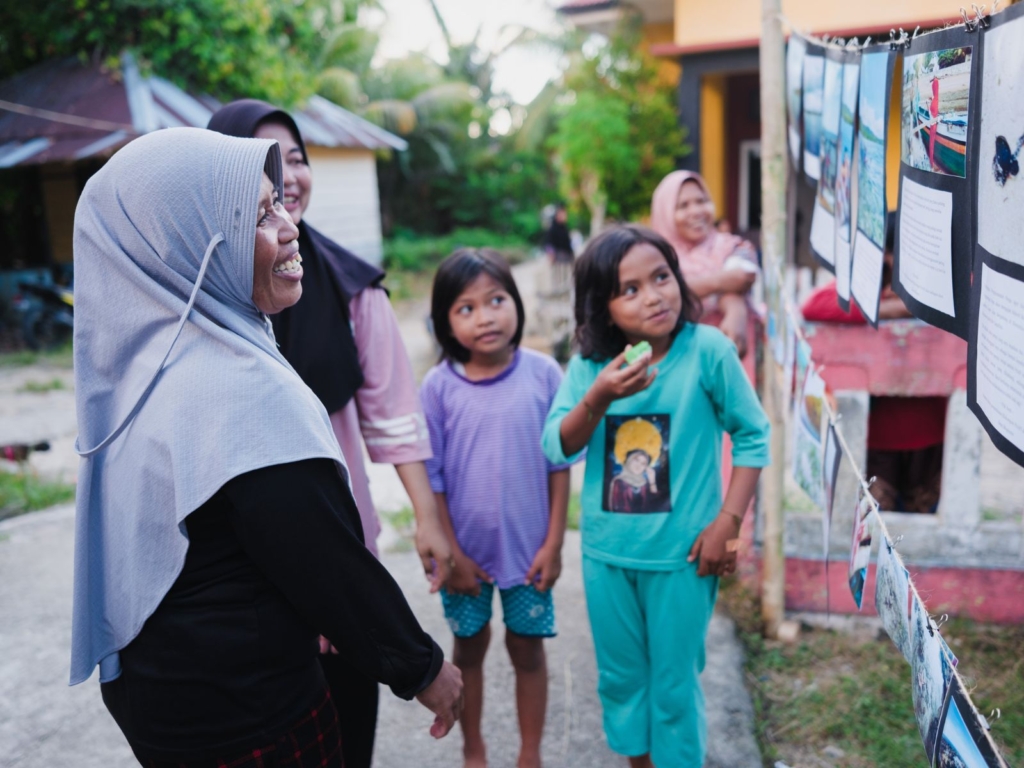
After validating key findings and themes with my participants, I asked them what stories they would like to share with a broader audience and how. They chose a public photo exhibition in the village of Manuru, paired with a fun interactive “fishing” game.
“It was wonderful to see such a variety of unique stories and visual techniques all in one room,” said Ibu Baeni. “I felt very proud. There’s a deep sense of satisfaction in seeing your own work on display and appreciated by others in person.”
For Lucy, a young woman from Manuru who attended the event with her family, the activity was a great learning experience. “I didn’t know anything about [the MA+R] or what it does, but now that I know it has such a positive impact on marine ecosystems, especially coral reefs and fish, I’m all for [the MA+R],” she said.
A few days after the event, Rare and I brought the exhibition to Wowonii Island to share the learnings with members of the local fisheries management body. Inspired by the experiences of the Siotapina MA+R community, members participated in a two-day “PhotoVoice Blitz,” documenting the most pressing challenges facing their own MA+Rs.
The power of community voices
With increasing momentum around the recognition and meaningful inclusion of Indigenous Peoples and Local Communities (IPLCs) in global conservation efforts, tools and processes that demonstrate what this looks like in practice are needed more than ever. This is especially true for understanding the impacts of community co-managed areas on the biodiversity goals of 30 by 30, both nationally and globally.
Participatory methods like PhotoVoice allow for the honest expression of lived experiences, providing an in-depth understanding of change from the perspectives of communities at the frontlines. Furthermore, visual testimonies generated from PhotoVoice are multi-purpose, serving as a powerful tool for communities to advocate for change and inspire one another.
My greatest learning from this experience? One of the best ways to evaluate conservation outcomes is to create space for those most affected to share their experiences.
Communities have so much to share, show, and tell — it is our role to ask and listen.