
Rare at the 2026 Our Ocean Conference
Over 5,000 participants, including heads of state, ministers, scientists, Indigenous leaders, youth representatives, business executives and civil society organizations, came together at the 11th Our Ocean Conference (OOC) along the Swahili Coast in Mombasa, Kenya from June 16-18, 2026. The conference marked an historic milestone as the first OOC hosted in Africa, underscoring the continent’s growing leadership in global ocean governance and sustainable ocean development.
Rare’s engagement at OOC was spearheaded by an entirely African delegation, led by Dr. Atanasio Brito, Vice President of Rare Mozambique, and was centered on the importance of local community and government leadership to achieve 30×30 (protecting at least 30% of the ocean by 2030) and elevate bright spots from communities in the Western Indian Ocean region.
Topline Takeaways
Our Ocean Conference takeaways
OOC saw 320 new commitments representing 104 countries and organizations, bringing total finance mobilized to US$6.4 billion to advance ocean conservation & 30×30, sustainable fisheries, local leadership & community voices, and financing.
Fifteen countries adopted the Mombasa Declaration to advance fisheries transparency and combat illegal fishing, with key commitments to strengthen:
- Transparency and good governance policies across fisheries sectors
- Monitoring and enforcement cooperation, including collaboration with regional and international partners to close governance and enforcement gaps;
- Capacity building and support for implementation, including technical and other assistance to enable States to implement transparency reforms, digitizing registries, and enhancing data management systems; and
- Ocean observation and open data, including broader fisheries management, marine spatial planning, climate adaptation, and maritime security.
Expanding sustainable fisheries & combatting IUU fishing
Momentum continues to build around science-based fisheries management, improved transparency, and stronger action against illegal, unreported, and unregulated (IUU) fishing, which is estimated to cost African economies between US$11 billion and US$13 billion annually.
As part of the official OOC agenda, Dr. Atanasio Brito, Vice President of Rare Mozambique, moderated a plenary on Combatting IUU through community-led solutions and science-based management, emphasizing that sustainable and equitable fisheries management is essential for food security and economic stability, promoting science-based management, and protecting the rights and livelihoods of artisanal and small-scale fishers. Watch the full Plenary
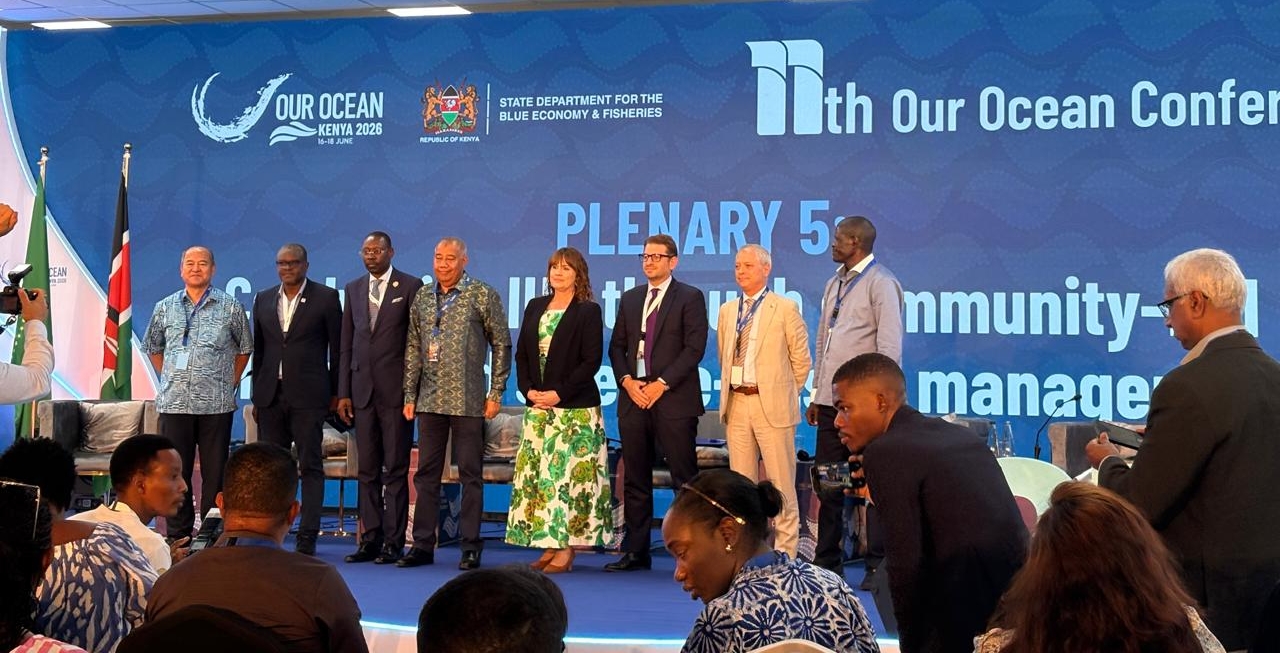
During the session, Brito celebrated the opening of the Southern African Regional Centre for Combating IUU Fishing, inaugurated by the Mozambican President Daniel Chapo. The Centre aims to protect fisheries resources whose exploitation causes estimated annual losses of around US$400 mILLION in Southern Africa.
Strengthening communities’ voices
Strengthening local leadership & local communities’ voices
Community-led conservation succeeds when rights, governance, livelihoods, and culture are integrated into locally led actions. This requires clear authority for local communities to manage resources, strong inclusive local institutions making and enforcing decisions, financial resilience and economic alternatives support stewardship, and norms, identity and pride reinforcing long-term sustainability. Yet, local organizations receive less than 10% of global philanthropic conservation funding yet rely on international actors and intermediaries for more than 80% of what resources they access.
Locally led action was highlighted at OOC, especially the importance of channeling resources directly to local actors, whose knowledge, stewardship, and leadership are critical to long-term success.
Dr. Atanasio Brito said: “The ocean is vast, but the solutions to its greatest challenges lie closest to shore, in the hands of small-scale fishing communities.”
Small-scale fishers, Indigenous Peoples and Civil society released a collective statement at OOC, with a call to implement cross-cutting principles for ocean governance, including meaningful consultation and engagement, effective enforcement mechanisms, and transparent and accessible financing. More here
Catalyzing Community-Led Ocean Action: A Learning Exchange for Local Leaders in the Western Indian Ocean
Ahead of OOC, Rare and Coastal 500 hosted a peer-driven exchange, bringing together more than 30 local governments, local leaders, and partners from across the Western Indian Ocean and East Africa region. The session spotlighted bright spots while creating space to reflect on challenges and opportunities to strengthen community-led ocean action. Grounded in real-world experience, participants shared practical approaches to advancing ocean protection, sustainable fisheries, and resilient livelihoods in their own local government or community contexts. The exchange also catalyzed interest in partnerships and encouraged many local leaders to explore joining the network.
Read more about Coastal 500 at OOC
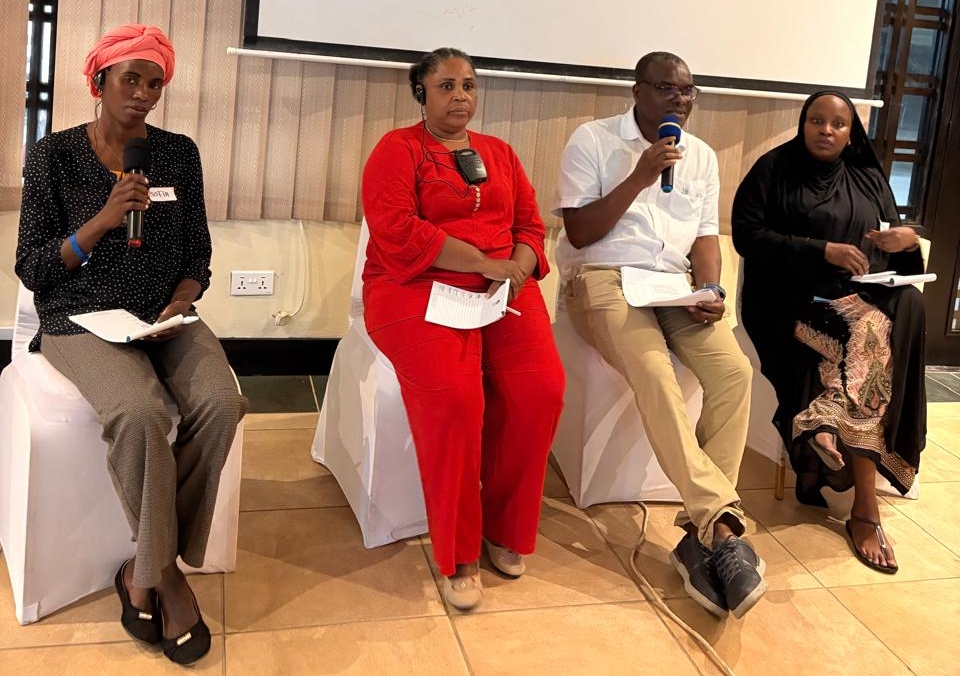
Following the United Nations Food & Agriculture Organization’s release of its 2026 State of World Fisheries & Aquaculture report, Rocky Sanchez Tirona, head of Rare’s coastal fisheries program, released the following statement, reflecting Rare’s goals for OOC:
“Fisheries thrive when local communities have the rights and resources to manage them effectively. This report should be a wake-up call to national governments and international funders to do all they can to empower those communities.”
Achieving 30×30
Advancing ocean conservation to achieve 30×30
Global momentum around 30×30 and ocean protection is accelerating, with 48 new commitments at OOC establishing or strengthening marine protections. Nearly 10% of the global ocean is now protected – up from approximately 7.7% in 2020 – but this rate needs to dramatically increase if the world plans to achieve the target of 30% protection by 2030. From the implementation of the High Seas Treaty and the establishment of large-scale MPAs, to community-led conservation models such as Other Effective Area-Based Conservation Measure (OECMs) and Locally Managed Marine Areas (LMMAs), each plays an important role in building a connected and resilient network of ocean stewardship.
LMMAs and OECMs offer a pathway to 30×30 that is grounded in the perspectives, priorities, and participation of local leaders and communities, whose food security, livelihoods, and ability to adapt to climate change depend on productive and resilient natural resources. As countries develop their national 30×30 strategies, OECMs and LMMAs are increasingly being recognized as essential components of durable and equitable ocean protection.
At OOC, Mozambique presented their National Marine Conservation Strategy, an ambitious, long-term framework for area-based ocean protection. The country reaffirmed its plan to advance the strategy and progress towards implementation. In addition, the Western Indian Ocean LMMA Alliance was launched as a regional platform for community-led action, focused on uniting coastal communities across the region to strengthen LMMAs and transform marine management.
Implementing 30×30 Effectively
A new report from Smithsonian Tropical Research Institute (STRI), Closing the Implementation Gap: Capacity Development for Effective Marine 30×30, warns that 30×30 will not be successful unless there is investment in the adjacent systems. The report calls for a shift in how conservation is communicated: moving away from framing ocean protection as restrictions, but rather as a shared economic, cultural and environmental proposition tied directly to livelihoods, food security and long-term prosperity. More in this Oceanographic article and this brief, Exploring Ocean Philanthropy in Southeast Asia.
“This is ultimately a systems challenge,” said Rocky Sanchez Tirona, Managing Director of Regional Programs at Rare. “Effectively protecting 30% of the ocean will depend not only on political will, but on sustained investment in the people, institutions, relationships, and regional and local leadership needed to make conservation endure.”
Throughout the conference, Rare and Coastal 500 delegation members co-hosted and spoke at many events on 30×30. One message came through strongly from Mr. João Bento Zampula, Coastal 500 member and District Administrator of Mogincual, Nampula Province, Mozambique: conservation is everyone’s business and investments must uplift communities to not just have a voice, but to take action and to improve marine conservation outcomes.
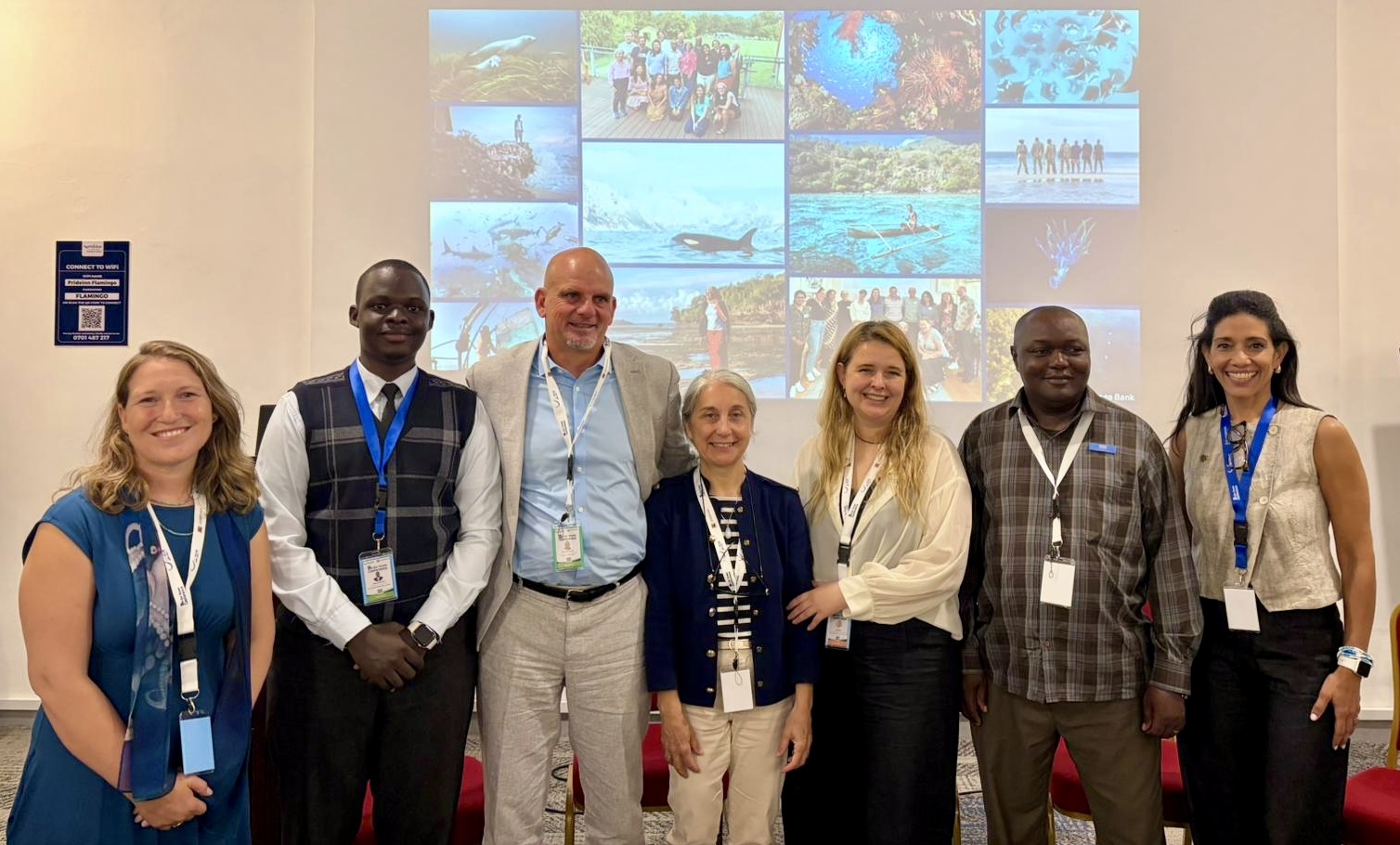
Ms. Sofia Abdulremane Gulamo Daudo, Vice President of the Sanculo Community Fisheries Council (CCP), spoke at the official side event Making 30×30 Work: Community-Led Marine Protection Across Africa to share perspectives from her fisher and community leadership lens, including how community-led marine management and protected areas can deliver tangible benefits for both livelihoods and ecosystem recovery. Ms. Sofia emphasized that local communities are not simply beneficiaries of conservation, but essential partners and leaders whose knowledge and participation are critical to achieving 30×30.
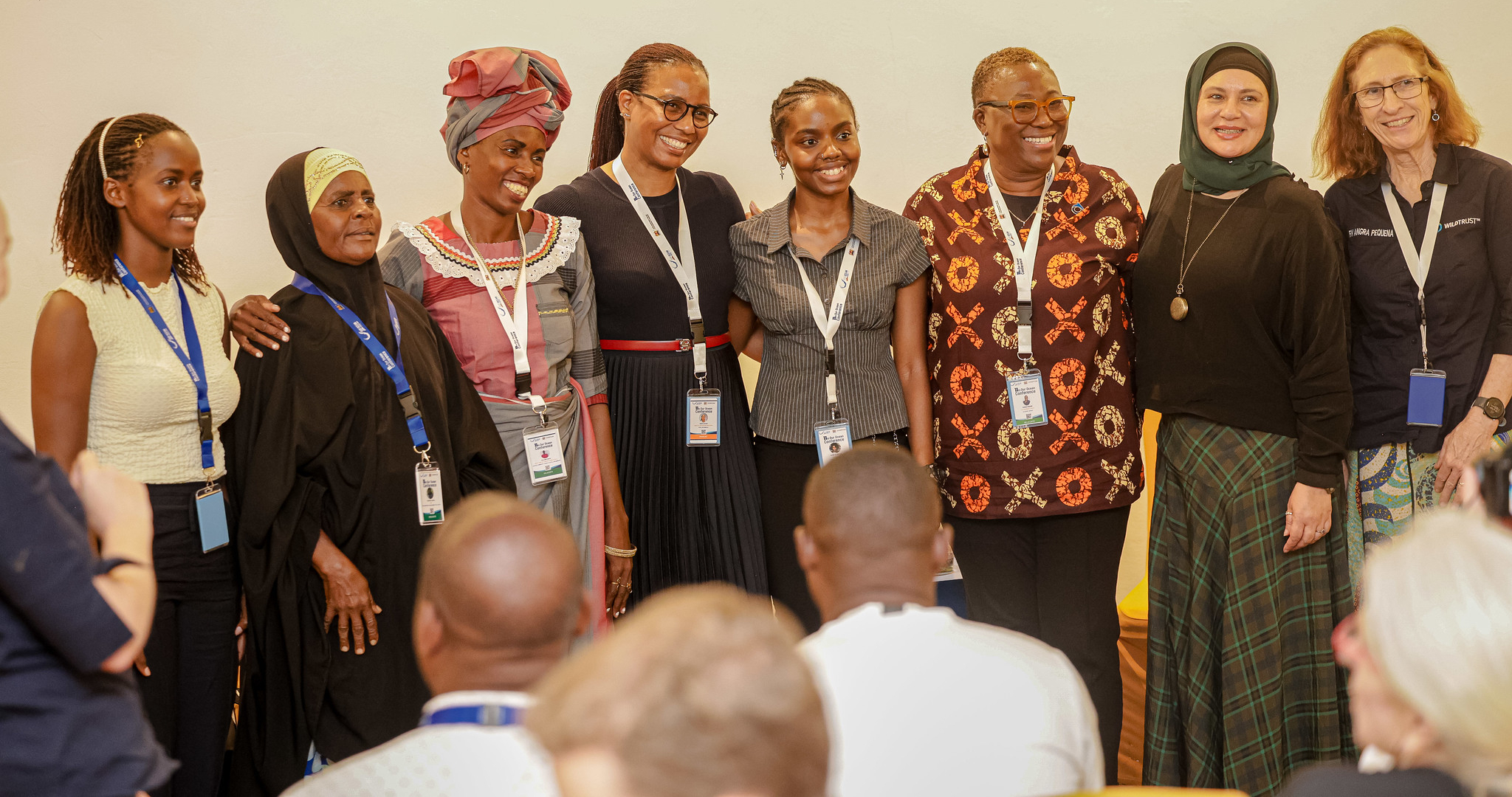
Frontline finances
Getting Ocean Finance to the Frontlines
As of the latest estimates, US$1.2 billion currently flows to ocean protection efforts annually – a fraction of the US$15.8 billion needed annually to deliver the world’s most ambitious conservation target of 30×30. Closing said financing gaps is essential to protecting ocean health but goes beyond that to improve climate resilience and food security.
To this end, many commitments were made at OOC, totaling US$169.2 billion. The World Bank Group announced plans to invest US$1 billion over the next two years to help developing countries build sustainable and resilient blue economies.
UK’s Blue Planet Fund announced a £2.2 million funding boost to the Ocean Risk and Resilience Action Alliance, bolstering six innovative finance and insurance projects that have already established proven pilots; one of the selected initiatives includes the world’s first impact bond for small-scale fishers, led by Rare in Indonesia.
Parametric Insurance in the Blue Economy
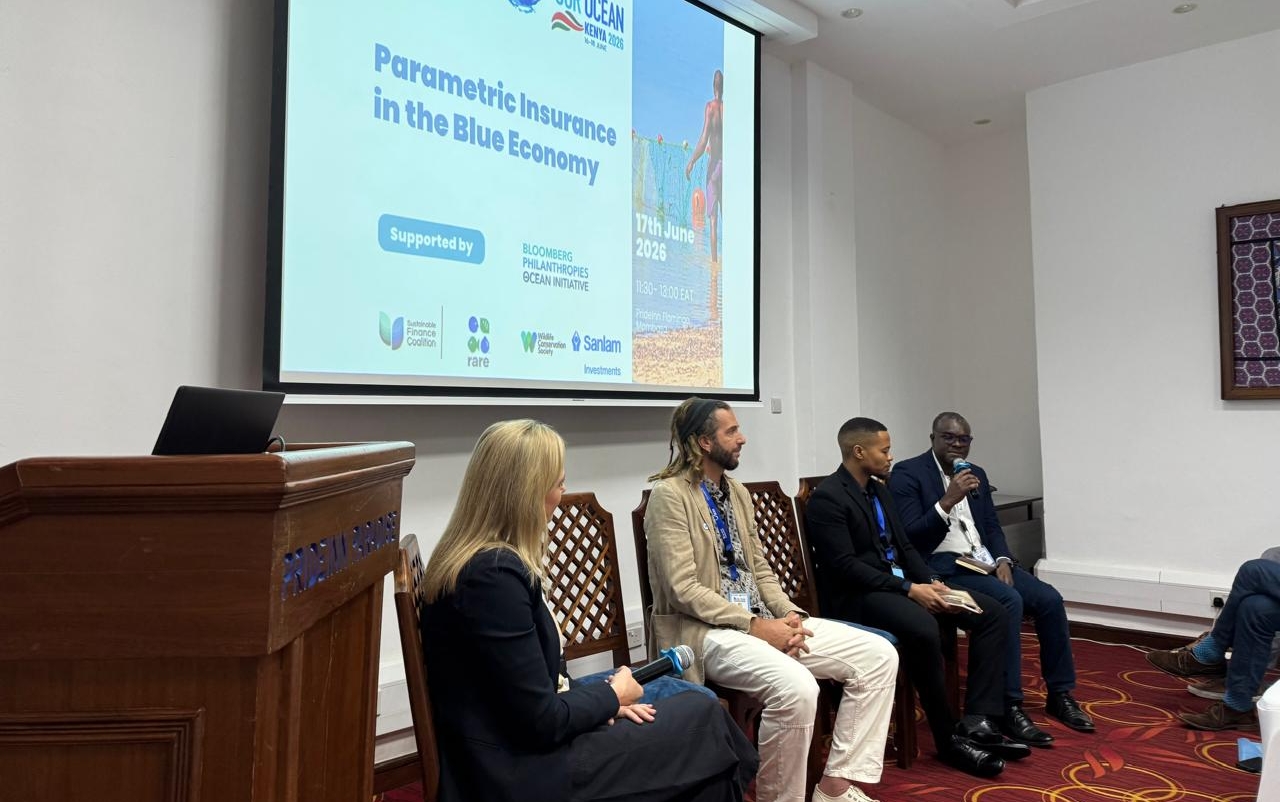
Dr. Atanasio Brito, Vice President of Rare Mozambique, spoke at a fireside discussion that centered around the question “Can parametric insurance strengthen resilience for coastal communities?” In building on Rare’s pioneering work and exploring how innovations can be adapted across geographies, the answer was resoundingly yes, with an important note that the right finance solution needs to be found for the right place and the right people before implementation. More here from partners at the Sustainable Finance Coalition
Looking Ahead
Looking ahead
The first OOC held on African soil underscored the continent’s growing leadership in advancing ocean and climate action. Since 2014, OOC has received a total of 3,220 commitments, mobilizing US$175.6 billion in support of ocean conservation and sustainable development. Of these, 364 have been directed to the African continent, representing a collective financial pledge of US$14.3 billion.
Africa’s stake in the future of the ocean is profound: 38 of 54 African countries are coastal or island states, encompassing over 30,000 km of coastline and over 13 million km2 of Exclusive Economic Zones (EEZs). While African coastal and island states in generate only 3.6% of greenhouse gas emissions, they are extremely exposed to climate impacts – and are increasingly leading the way in developing solutions that strengthen resilience, support sustainable livelihoods, and safeguard marine ecosystems.
The momentum generated in Mombasa marks the beginning of a new chapter for African ocean-climate leadership. At the 6th International Marine Protected Areas Congress (IMPAC6) in Dakar, Senegal in March 2027, and the 32nd UN Climate Change Conference (COP32) in Addis Ababa, Ethiopia in November 2027, Africa has a unique opportunity to demonstrate how locally driven ocean action can inform global climate solutions. The road to COP32 offers a powerful platform to showcase African leadership, accelerate implementation, and strengthen the continent’s voice in shaping a more resilient and sustainable future.
Photo Credits: Kenya State Department for Blue Economy and Fisheries