
Best environmental nonprofit organizations
The work of environmental nonprofit organizations is more important now than ever because many lead the global effort to mitigate pressing ecological issues and advocate for nature conservation. To achieve that, science-based methods and people-centered solutions are key (especially in areas where governments, corporations, businesses, and individuals fall short).
The best nonprofits inspire profound societal and individual change by spreading awareness and educating locally and globally, which is the driving force of effective nature conservation. UN Secretary-General Antonio Guterres attests to the transformational strength of these organizations: “Protecting forests and oceans isn’t charity. It’s a legal and moral responsibility, and smart economics. Let us honor that duty: by safeguarding these foundations of life, investing in nature’s recovery and ensuring that people and the planet thrive together, now and for generations to come.”
With action to protect the natural world in mind, let’s explore some of the best environmental nonprofit organizations at the forefront of change and impact today.
Key takeaways
- Environmental nonprofits take many approaches to addressing environmental crises, with some focusing primarily on research or advocacy; and others working directly with communities to drive change.
- Helping the environment looks like: Protecting biodiversity, restoring ecosystems, empowering local communities, educating people on sustainability, and encouraging action.
- Progress in conservation is achievable through programs rooted in science, built in partnership with local communities, and committed to educating the next generation of conservation advocates and leaders. These approaches address the root causes of environmental degradation and ensure solutions are effective over time, protecting nature and the people who depend on it.
What do environmental nonprofits do?
Many environmental nonprofits apply science-based solutions and policies that protect nature to combat climate change and reduce pollution. Some organizations (like Rare) also work to promote awareness through community engagement, campaigns, research, and legal actions. Their work is vital: the UN Environment Programme (UNEP) found that damaged ecosystems have already reduced food security, endangered people’s lives, and accelerated climate change.
Some environmental nonprofits accelerate positive changes by collaborating with the community, and those who partner with them confirm this. For example, Frank Baiocchi, The Hunter Family Foundation’s executive director, says about the partnership with Rare: “It’s such an important part of our work. Fish Forever is a testament to how communities can come together to have multiple significant financial, environmental, and social outcomes and work together, using what they have learned with Rare, to create change at the broader, systemic level.”
Let’s explore all those viable measures that environmental nonprofits are introducing to achieve measurable progress in more detail below:
1. Protect biodiversity
Certain environmental nonprofits focus on slowing and reversing the decline of biodiversity through the conservation of species and habitats.
They conduct scientific monitoring, form wildlife corridors, prevent illegal trade, advocate for stricter regulations, and cooperate with locals and Indigenous communities. The aim is to achieve behavior change: move from more harmful to more sustainable, nature-positive practices.
2. Restore ecosystems
Other environmental nonprofits implement restoration projects to heal damaged forests, restore coral reefs, and rejuvenate wetlands, providing permanent environmental benefits.
They do this by replanting native vegetation, removing invasive species, rebuilding coastal buffers, shaping regenerative agriculture, and protecting wildlife. These efforts strengthen both ecosystems and the communities that depend on them.
3. Empower local communities
Rare (for example) recognizes the importance of including locals and Indigenous communities to achieve lasting success. They collaborate with people in communities to improve resource management, create a more sustainable livelihood, and help with climate adaptation.
Some environmental nonprofits strongly focus their efforts here. Rare’s mission is community-first and people-centered. The nonprofit organization specializes in behavior change and locally-led conservation, introducing programs that help fishers adopt more sustainable practices, farmers lower their environmental footprint, and local leaders build resilience and acquire knowledge.
4. Drive climate action
The best environmental nonprofits will inspire a climate culture that contributes to climate change mitigation and adaptation. They’ll advocate for climate policies, promote a sustainable lifestyle and the use of renewable energy, safeguard carbon-abundant ecosystems, and provide science-rooted solutions to governments and businesses.
Communities and Indigenous groups in endangered areas need assistance while facing extreme weather and transitioning toward climate-resilient behavior. The work of many environmental nonprofit organizations is what leads to more empowered people and stronger global resilience when facing climate change.
Impactful environmental nonprofit organizations you can support today
Explore the most impactful environmental nonprofit organizations today:
1. Rare
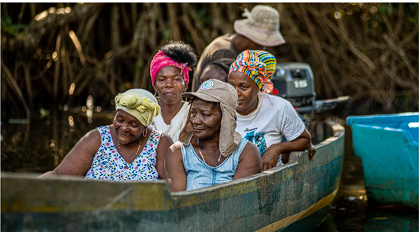
Mission: Rare inspires communities and Indigenous groups to take action to preserve nature and slow down climate change. Using social and behavioral science and a human-first approach, it nurtures locals to become leaders in decision-making and solution procurement that restores habitats, protects wildlife, and contributes to climate resilience.
Rare invests in people-first, community-led solutions to environmental issues. Focusing on behavioral science and delivering with partners, their methods support farmers, fishers, and local leaders throughout Africa, Latin America, and the Asia Pacific. These are some of the most biodiverse, climate-vulnerable areas where community-led conservation can make the biggest difference.
Whether it’s their program that educates farmers how to adopt regenerative practices or their effort to help coastal communities manage fisheries sustainably, their modus operandi is evident: transform a collective, community-driven action into measurable environmental and social results, with focus on empathy, cooperation, and creativity.
Impact:
-
- Benefit 3.2 million+ people through improved farming, fishing, and conservation practices.
- Enable 2,000+ communities across 9 countries to lead measurable, community-first conservation in high-priority ecosystems.
- Work with 166,000 coastal fishers and 5,000 farmers, alongside Indigenous Peoples and local leaders, to strengthen livelihoods and protect ecosystems.
- Boost sustainable fisheries yields by up to 50% through behavior-centered management that improves food security and income.
- Restore 100,000+ hectares of forests and coastal habitats to strengthen biodiversity and climate resilience.
- Enable community-led conservation and co-management across 300,000+ km² of coastal ocean.
- Support the conservation of 50,000+ km² of land in collaboration with local and global partners.
You can also empower communities, restore biodiversity, and mitigate climate change by giving what you can today. Your gift is an investment in science-rooted, community-led conservation.
2. 350.org
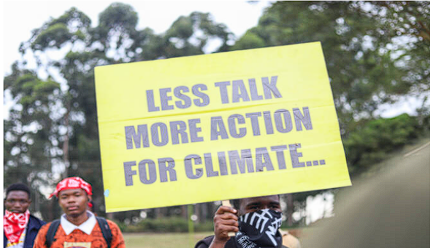
Mission: 350 motivate people globally to lower carbon dioxide and contribute towards a safe climate future. They campaign for a move away from fossil fuels, strict climate policies, and grassroots movements that pressure governments and institutions to take action.
They aim to maintain the global temperature rise below 1.5 degrees C and assist communities in becoming more resilient against climate change.
Impact:
-
- Strengthen global climate activism to increase awareness and pressure politicians.
- Advocate for policies and investments in finance, industry, and governments.
- Promote the move away from fossil fuels and the adoption of renewable energy.
- Grow a global network of local climate groups.
- Strengthen the voice of leaders on the frontline and vulnerable communities.
3. American Forests

Mission: American Forests is the nation’s oldest nonprofit organization. Their focus is on preserving and restoring the forests in the US and beyond through reforestation, forest policies, and climate-friendly forestry.
Their mission is to conserve forests so they continue to benefit wildlife, water, climate, and people.
Impact:
-
- Improve client resilience through climate-friendly forestry.
- Restore forests through large-scale tree planting and restoration in areas affected by deforestation, wildfires, and degradation.
- Cooperate with leaders and decision-makers to introduce stronger forest protections and encourage science-based land management.
- Support community well-being through improved air quality, water quality, public health, and environmental equity.
4. The Nature Conservancy
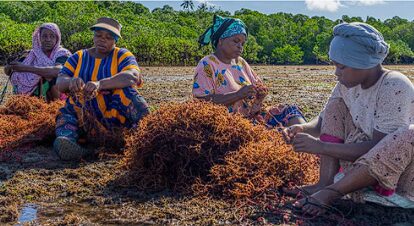
Mission: The Nature Conservancy’s mission is to preserve lands and waters on which life depends. Using science-rooted action, policy advocacy, and cooperation with governments, communities, and businesses, they address pressing environmental issues. This includes climate change, biodiversity loss, and water security.
Impact:
-
- Safeguard oceans, rivers, forests, and grasslands to restore biodiversity and improve climate resilience.
- Encourage adoption of climate solutions through forest protection and coastal restorations, lowering emissions, and helping locals adapt to climate change.
- Join forces with communities, local leaders, Indigenous groups, and farmers to ensure real advantages for people and nature.
- Participate in shaping environmental policies and mobilize private and public investment to create sustainable solutions.
5. World Wildlife Fund (WWF)
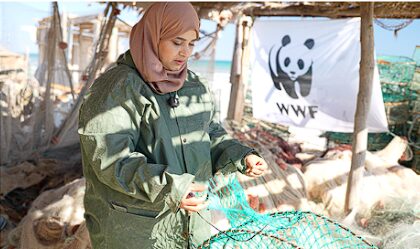
Mission: The World Wildlife Fund focuses on nature conservation and resolving the most pressing threats to Earth’s diversity. Using science-rooted solutions, policy advocacy, and cooperation with businesses, governments, and communities, they help restore habitats, protect wildlife, and address climate change globally.
Impact:
-
- Lead efforts to protect iconic, threatened species using resolutions for habitat loss, illegal wildlife trade, and human-wildlife conflict.
- Strengthen biodiversity by restoring forests, freshwater systems, grasslands, and oceans.
- Advance solutions that lower emissions and preserve carbon-rich ecosystems to mitigate climate change.
- Help communities adjust to climate impact.
- Collaborate with governments and industries to drive policies and sustainable, wildlife-friendly practices.
6. ReFED
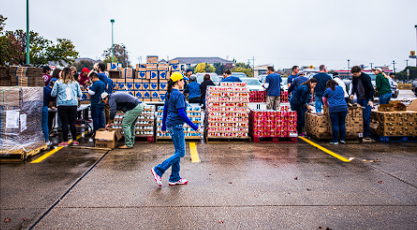
Mission: ReFED focuses on speeding up solutions that help minimize food loss and waste. They use data, collaboration, and economic analysis to help businesses and policymakers adopt scalable, science-based methods to decrease waste production, improve food security, and lower negative climate impact.
Impact:
-
- Provide research, tools, and roadmaps to help organizations reduce food waste.
- Divert edible foods to those in need by enabling surplus food rescue and redistribution.
- Reduce climate and environmental burden by decreasing food waste.
- Includes organizations, nonprofits, governments, and funders to encourage a nationwide implementation.
7. Sierra Club
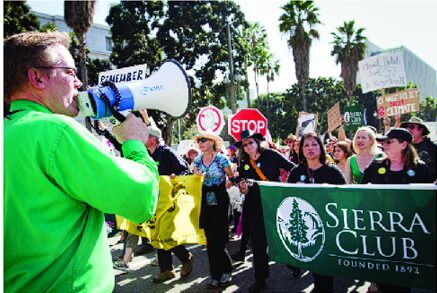
Mission: Sierra Club’s mission is to protect the environment, climate, and people while promoting climate solutions, environmental justice, human rights to clear air, fresh water, stable climate, and public access to nature. Using advocacy, grassroots action, litigation, and public education, they advocate for policies that protect ecosystems and communities from climate harm and pollution.
Impact:
-
- Campaign towards a movement away from coal plants, building new fossil fuel infrastructure, and expanding the availability of renewable energy.
- Safeguard forests, parks, watersheds, and sensitive ecosystems from destructive development.
- Support communities impacted by climate change and pollution.
- Encourage grassroots action to expand local efforts into national progress.
8. The Climate Reality Project
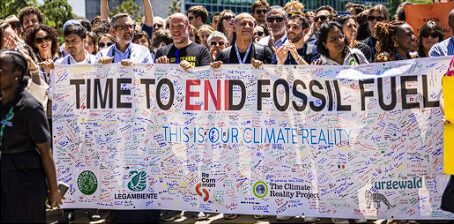
Mission: Climate Reality Project tackles challenges associated with the climate crisis through a widespread movement of active, informed, and powerful climate advocates. They employ education, training, storytelling, and policy advocacy to encourage adoption of clean energy.
Impact:
-
- Train climate leaders who educate communities, advocate for policy changes, and encourage local climate efforts.
- Teach people about the science, risks, and solutions of climate change using campaigns, presentations, and digital tools.
- Back up policies for emission reduction, renewable energy, and protection of vulnerable communities.
- Support grassroots climate movements to transform awareness into action.
9. Greenpeace
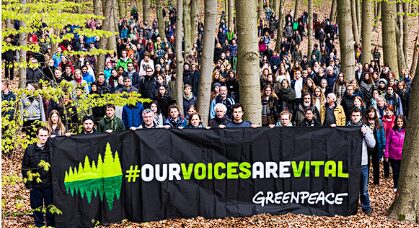
Mission: Greenpeace’s mission is to expose the destruction of nature, challenge the interests of powerful people and organizations, and create solutions for a sustainable future. Through nonviolent action, investigation, and campaigning, they motivate governments and corporations to safeguard the climate and biodiversity.
Impact:
-
- Organize activities to bring attention to pressing environmental issues.
- Use research and public pressure to make businesses move away from destructive practices and adopt sustainable ones.
- Protect marine ecosystems, prevent illegal logging, and advocate for renewable energy.
- Promote the move away from fossil fuels to address climate change.
10. Cool Effect
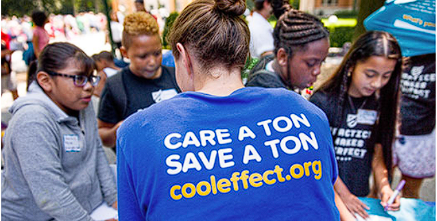
Mission: Cool Effect encourages businesses, individuals, and communities to fight against climate change by funding carbon-reduction projects. They focus on transparency, measurable results, and donor empowerment, encouraging supporters to take collective action against global warming.
Impact:
-
- Direct funds for greenhouse gas emissions reduction to preserve forests.
- Collaborate with local groups to introduce sustainable solutions.
- Allow people to take individual action against global warming, offsetting emissions.
- Ensure transparency through independent verification of its projects.
11. Rainforest Trust

Mission: Rainforest Trust safeguards at-risk tropical forests and biodiversity by partnering with local and Indigenous communities. They ensure long-term, legally protected areas, focusing on highly impactful, science-rooted land preservation in critical areas.
Impact:
-
- Ensure legal, long-term protection for critical rainforests.
- Safeguard endangered and endemic species.
- Partner with Indigenous groups and locals to manage and protect land.
- Prevent deforestation to preserve carbon stores in tropical forests.
12. Earth Guardians
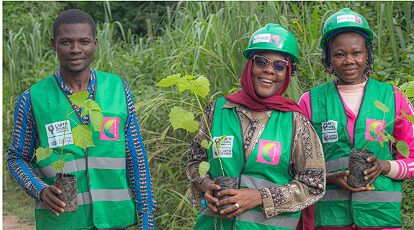
Mission: Earth Guardians encourage youth globally to preserve their environment, protect human rights, and become leaders of climate justice movements. Using youth-focused activism, creativity, and community inclusion, they inspire and equip future generations with skills to address climate change, tackle biodiversity loss, and stand up against social inequality.
Impact:
-
- Support young climate activists in organizing protests, campaigns, and educational events.
- Connect young people globally for a border-free solidarity.
- Use art, music, storytelling, and digital media to increase awareness of environmental issues, encourage action, and change the behavior toward nature and justice.
- Give a voice to marginalized communities, ensuring those most affected by climate change have their say in decision-making.
13. Oceana
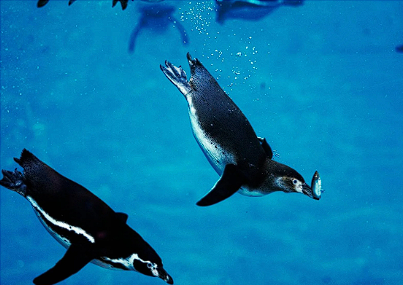
Mission: Oceana’s mission is to protect and restore the oceans using science-backed advocacy and policy campaigns. They focus on finding solutions for pressing issues with marine ecosystems, such as pollution and overfishing, to restore biodiversity.
Impact:
-
- Lead science-rooted policy campaigning to secure marine wildlife protection and ocean conservation.
- Encourage action and advocate against plastic pollution, overfishing, and destructive fishing.
- Support marine protected areas to ensure ecosystems can heal and thrive.
- Campaign for sustainable fisheries to improve ocean health and food security.
- Hold governments and industries accountable through laws, research, and campaigning.
14. One Percent for the Planet
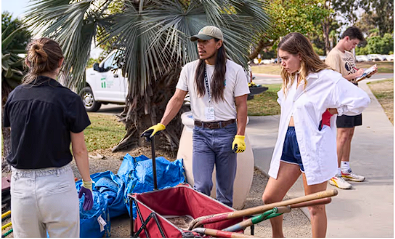
Mission: One Percent for the Planet focuses on working with individuals, businesses, and nonprofits to speed up environmental giving. They aim to form a global movement of ongoing funding for conservation, climate action, and sustainability, powered by the force of community and commerce.
Impact:
-
- Ensure consistent funding for environmental nonprofits globally.
- Fund sustainable agriculture, reforestation, ocean safeguarding, and climate resilience.
- Motivate businesses to align their practices with ecological well-being.
- Offer membership for individuals and companies, allowing everyone to contribute to environmental protection and to support nonprofit missions.
15. One Tree Planted
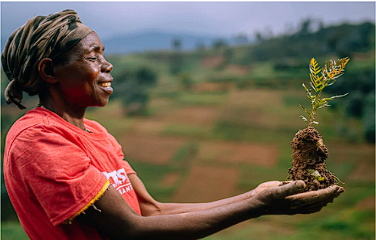
Mission: One Tree Planted simplify reforestation for individuals, nonprofits, and businesses. They help plant trees to rejuvenate forests, encourage biodiversity, and tackle climate change. They focus on keeping communities engaged through environmental stewardship.
Impact:
-
- Organize tree planting in deforested and overused areas and areas affected by wildfires.
- Recreate wildlife habitat.
- Work to improve biodiversity and strengthen ecosystems.
- Involve local communities, individuals, and organizations in reforestation.
16. The Soil Association
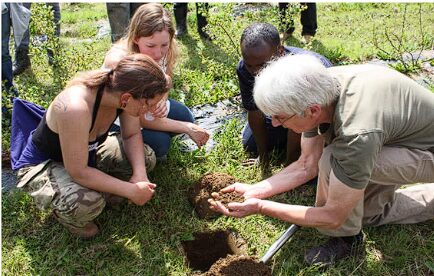
Mission: The Soil Association works to transform how people eat, farm, and care for the natural world, promoting sustainable farming, soil improvement, biodiversity conservation, and access to nutritious, sustainable food. They connect individuals, communities, and ecosystems to achieve those goals.
Impact:
-
- Support 4,000+ forestry, wood, and paper clients, conserving more than 26 million hectares of forests globally and the people, animals, and plants in them.
- Introduce programs that empower farmers to farm sustainably.
- Support organic businesses to promote a global organic movement.
- Make healthy and organic food accessible by connecting communities with sustainable food systems.
- Advocate for healthier food, sustainable farming, and forestry laws.
17. Trust for Public Land

Mission: Trust for Public Land focuses on preserving land and creating parks by transforming open spaces into protected public lands where communities can spend time in nature, enjoy a healthy environment, and access green areas. They also advocate for the rights of everyone, especially people from underserved communities.
Impact:
-
- Secure and safeguard natural parks and public green lands.
- Prioritize park creation in underserved and urban areas.
- Preserve biodiversity and wildlife habitats for the good of people and nature.
- Conserve land that plays a huge role in climate regulation, stormwater management, and urban heat reduction.
18. Health in Harmony
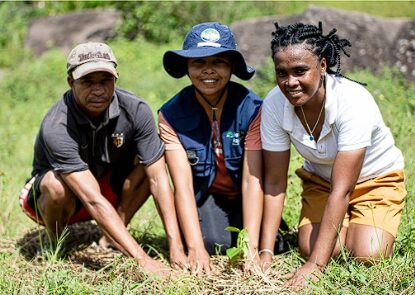
Mission: Health in Harmony’s mission is to preserve forests and biodiversity through direct cooperation with communities that depend on tropical ecosystems. They believe in the connection between people’s and the planet’s health and creating sustainable solutions to advance human wellbeing while promoting conservation.
Impact:
-
- Support communities to lower dependence on forest exploitation and logging.
- Safeguard forests and biodiversity through sustainable agriculture and agroforestry.
- Engage communities to build local ownership and commit to long-term conservation.
- Address environmental and health issues to support better livelihoods.
19. Wildlife Conservation Society (WCS)
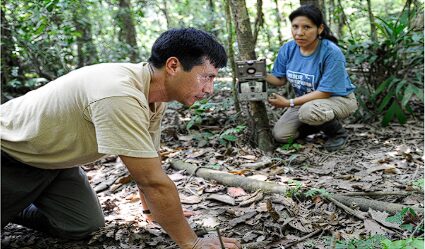
Mission: WCS’s mission is the conservation of wildlife and wild places. Using methods rooted in science, they work to protect at-risk species and ecosystems through the management of protected areas, policy advocacy, and collaboration with local communities.
Impact:
-
- Manage protected areas and landscapes for species.
- Conducts wildlife surveys, anti-poaching programs, and habitat protection to preserve at-risk species.
- Perform ecological research, advance conservation policy, and collaborate with locals to balance human needs with wildlife conservation.
- Contribute to the resolution of biodiversity and habitat loss, climate change, and the overuse of land and water.
20. One Acre Fund
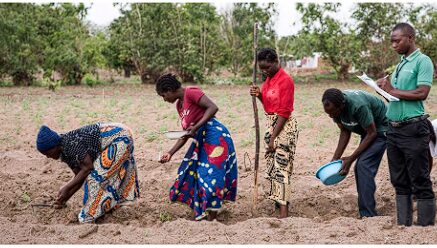
Mission: One Acre Fund is on a mission to help smallholder farmers in Africa by providing them with the tools, training, and financing to grow more food, increase yields, and move away from poverty. They focus on supporting sustainable livelihoods for farmers and improving food security across their communities.
Impact:
-
- Supply farmers with seeds, fertilizers, training, and financial support.
- Increase crop yields.
- Improve farming practices, strengthening income and resilience of the community.
- Train and support farmers to use sustainable agricultural solutions.
21. Wildlife Alliance

Mission: Wildlife Alliance’s work revolves around the protection of at-risk wildlife and forests. They work against illegal logging and wildlife trafficking, and care for the ecosystems and communities that rely on them. Using patrols, habitat safeguarding, community engagement, and sustainable development, they give forests, biodiversity, and threatened species a chance to thrive.
Impact:
-
- Monitor protected areas to decrease logging, deforestation, and poaching.
- Preserve forests and jungles to improve biodiversity and water systems.
- Guide locals in creating more sustainable livelihoods.
- Raise awareness about protecting forests and wildlife.
- Promote conservation laws.
22. Manomet
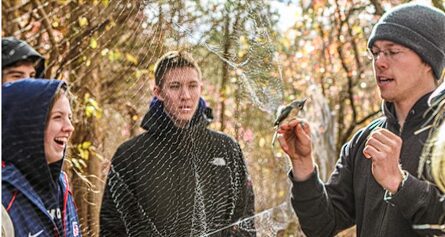
Mission: Manomet’s work is rooted in science and collaboration to improve flyways, preserve coastal ecosystems, and maintain healthy working lands and seas. For more than 50 years, they’ve applied scientific research, partnered with educators, producers, businesses, and communities, making the world more resilient and allowing both nature and people to prosper.
Impact:
-
- Safeguard and restore bird migration routes.
- Support shorebirds, songbirds, and coastal species throughout the Western Hemisphere.
- Restore habitat, elevating the resilience of coastal ecosystems, lands, and seas.
- Deliver ecological research to resolve pressing conservation challenges.
- Educate the next generation of conservation leaders, especially those from underrepresented communities.
Make a difference by supporting environmental nonprofits
The global nature conservation movement would be impossible without the hard work of environmental nonprofits, so giving to any of them would be a great way to contribute to positive change. However, if you do have to choose, look at an organization with a clear mission, science-based solutions, and transparency.
Most established nonprofits release reports, track real-world progress, and publish how donors contribute to their mission. They work with local and Indigenous groups to support long-term conservation and provide viable measures to address pressing environmental issues.
Rare is a great example of a human-centered charity that helps communities adopt sustainable practices to preserve nature and enable better livelihoods globally. They use behavioral and social science to restore coastal fisheries, encourage regenerative farming, and inspire individual climate action. Their work focuses on shifting habits and practices that harm the environment, ensuring long-lasting, community-led impact.
Giving to Rare means investing in local people, not just policies. Their environmental conservation actions take into account the community’s priorities, rather than just offer short-term interventions.
Join the Rare movement today: Support practical environmental solutions that manage biodiversity loss, climate change, and food security.
FAQs on environmental nonprofit organizations
What is the best environmental nonprofit to donate to?
There’s no single best nonprofit. The right option depends on what you care about the most (the oceans, wildlife, forests, food security, or climate change) and what kind of approach you prefer.
Rare is an excellent choice for those seeking to contribute to long-term, people-centered progress. With combined research and local knowledge, they preserve valuable ecosystems, powered by the belief that long-lasting improvement begins with community.
How do environmental nonprofits use donations?
Environmental nonprofits allocate their donations towards conservation and restoration, research and monitoring, education and training, policy advocacy, campaigns, implementation, and partnerships.
Exact percentages depend on the organization, but transparent nonprofits regularly publish reports to show exact fund allocation. For example, Rare publishes a yearly report with revenues and expenses for the past year. The 2025 Year in Review Report shows that in 2024, most of the revenue (69%) came from foundations and corporations, 17% from individuals, 12% from the government and multilaterals, and 2% from others. Their expenses were directed to programs and services (82%), 10% on administrative needs, and 8% on fundraising. Their financial report for 2025 will be made public in April 2026.
What are some good charities that help the environment?
Numerous renowned nonprofits work across various areas of conservation and climate crisis management. Rare is a 4-star-rated charity that uses a people-centered, community-first approach to resolve pressing environmental issues to create a better future for the next generations.
Which environmental nonprofits should I support?
It’s advisable to support nonprofits that can prove a measurable impact, partner with locals and Indigenous groups, rely on science, address the roots of environmental issues, and operate responsibly and transparently.
That said, all of the organizations on this list (and more) are great nonprofits to support. If you’re looking for a people-first, community-led approach that empowers communities to become the leaders of conservation, learn more about Rare’s mission.