
On June 17, 2026, Sofia Abdulremane Gulamo Daudo found herself in front of more than 500 delegates at the Our Ocean Conference in Mombasa, Kenya.
Before then, she had never even been on a plane.
Her appearance on the international stage to speak about the role local communities play in ocean protection reflected a transformation that had begun years earlier in her own community.
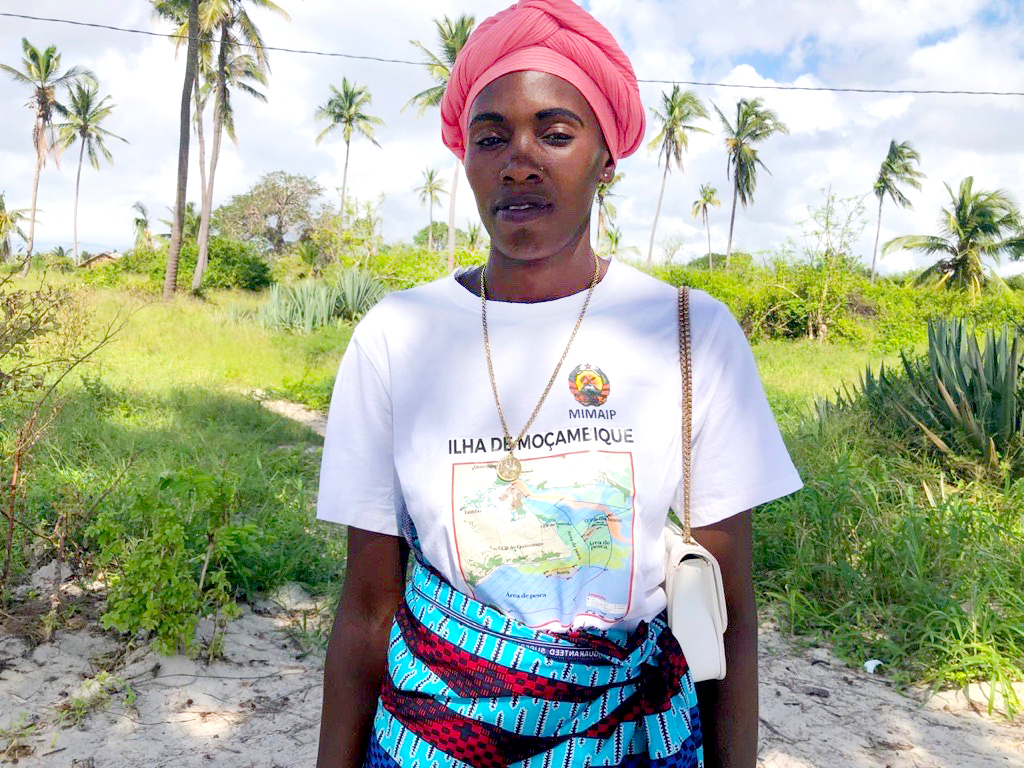
Limited access to digital technology and decision-making opportunities often kept coastal women on the sidelines of fisheries management. With Rare’s investment in gender equity and digital literacy training, women like Sofia are playing a growing role in fisheries management and community decision-making.
“Years ago, at the Community Fisheries Council, it was difficult to find women because women were afraid to join,” said Sofia, who now serves as Vice President of the Sanculo Community Fisheries Council (CCP) in Ilha de Moçambique, Mozambique. “Now we have a much larger number of women and when they are there in the CCP, they do not come to sit alone. They come to create ideas.”
Supporting women as leaders in coastal fisheries management
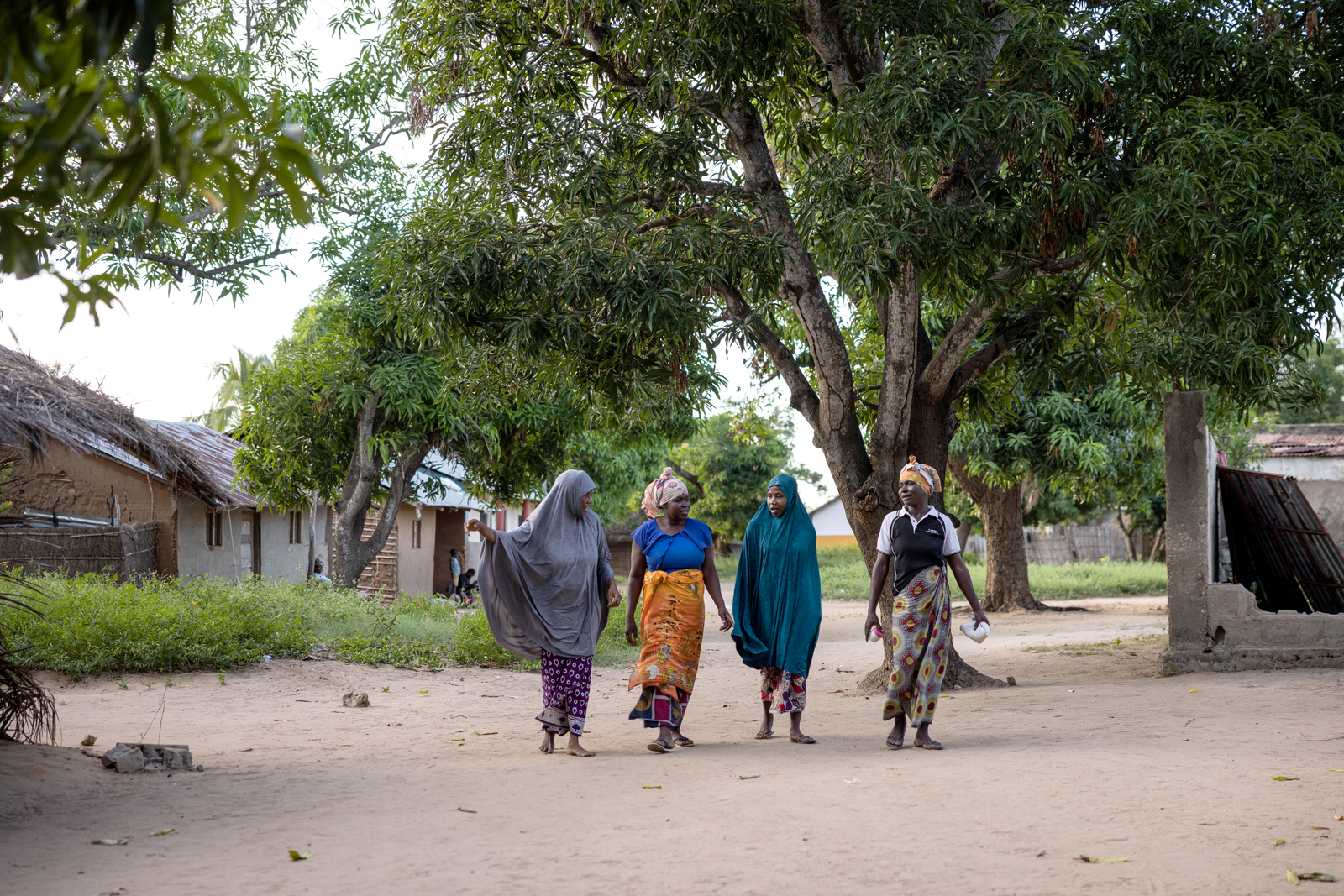
In 2023, Rare launched an initiative that combined vocational training, financial literacy, and digital literacy to help women strengthen their livelihoods and expand their leadership opportunities across Mozambique’s Nampula and Inhambane provinces. Through Rare and its partners’ initiatives, more than 1,000 women have directly benefited from capacity-building activities, including digital literacy, financial literacy, leadership development, and economic empowerment opportunities in coastal communities.
“Digital literacy is becoming an important pathway for women’s empowerment in coastal communities,” said Alice Costa, Rare’s Director of Program Implementation in Mozambique. “By building skills in the use of smartphones, computers, and digital tools such as the OurFish small business management tool for fish buyers, women are gaining the ability to collect and manage fisheries data, share information, and support more informed community decision-making.”
These technologies are also shifting traditional roles by enabling women to take on leadership responsibilities in sustainable fisheries management and conservation. Today, women like Sofia serve as trusted intermediaries between fishers and the digital fisheries management system. Using smartphones and the OurFish app, they record catches and transactions that generate the information Community Fisheries Councils rely on to make better decisions about local marine resources.
New pathways for women to lead and shape the future of their communities
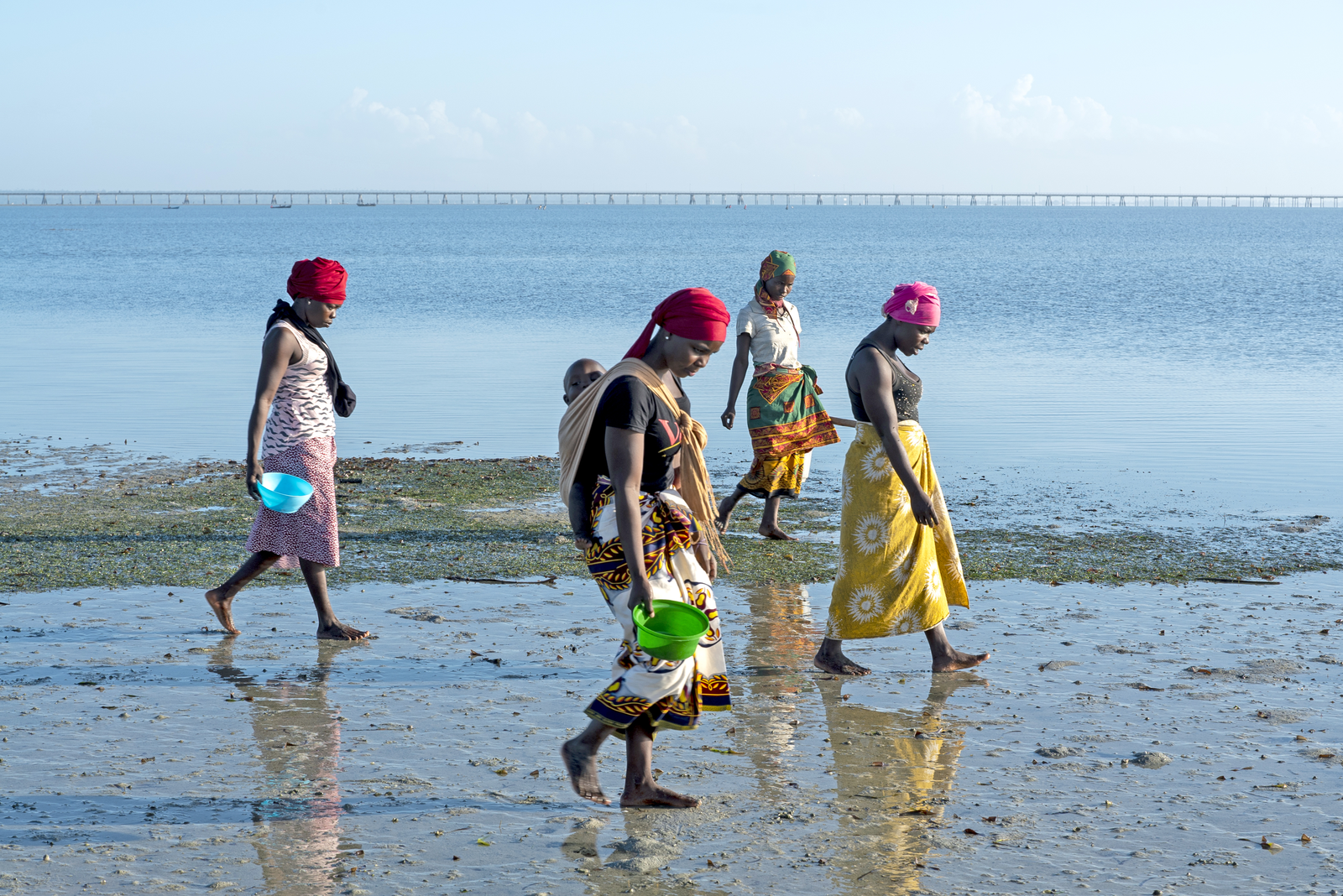
Rare’s training in digital and financial literacy has helped create space for women’s voices to be heard and valued in places where they were once absent.
Not only are coastal women taking on leadership roles in fisheries management, but they are also using their new skills to support alternative livelihood businesses in beekeeping and poultry farming. The confidence gained through the program is extending to community life, empowering women to participate more actively in business decision-making and take on responsibilities that were once out of reach.
“We are working together, creating ideas, and raising difficulties,” shared Sofia, reflecting on the social transformations happening in her community. “Where there are men, women are also there.”