
(Maputo, Mozambique) – Today, international conservation organization Rare celebrated the national government of Mozambique’s official approval of the nation’s first community-led fisheries management plan outside of an established marine protected area. The endorsed plan is led by local communities and community fishing councils (CCPs) across the districts of Ilha de Moçambique and Mossuril. Mozambique’s Ministry of Agriculture, Environment, and Fisheries officially signed off on the plan.
The initiative covers a total fishery management area of 51,530 hectares (515.3 km²), including 3,164 hectares (31.64 km²) designated for the seven no-take reserves. The plan directly benefits nearly 11,000 artisanal fishers in the region, along with roughly 1,000 women gleaners working the intertidal zones.
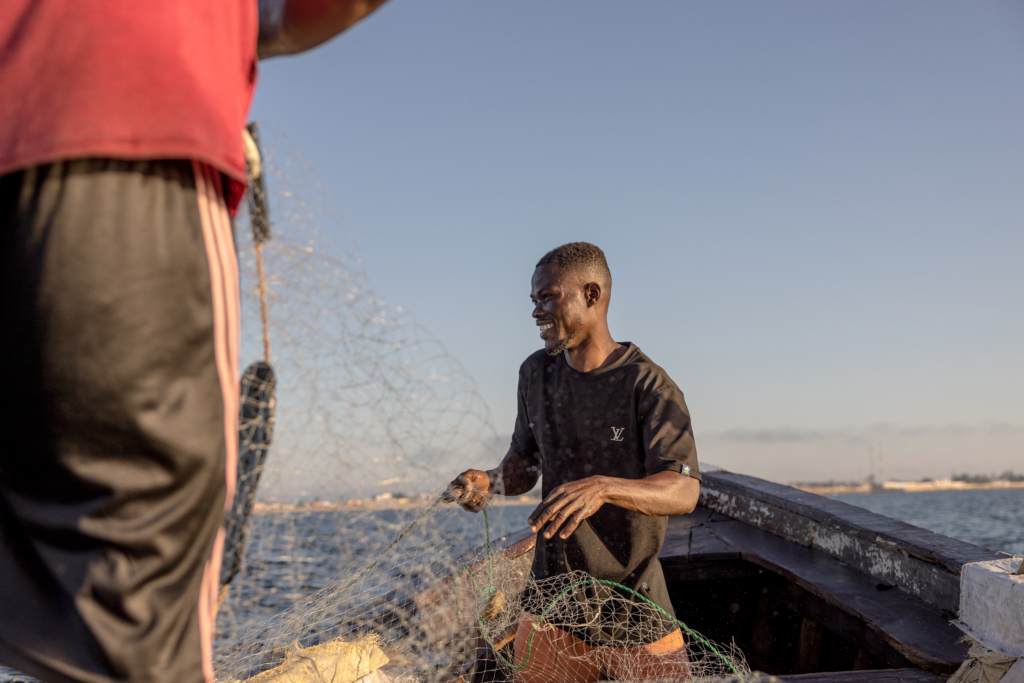
“This announcement is the culmination of a 10-year effort led by local communities, which Rare has been proud to support,” said Dr. Atanasio Brito, VP of Rare Mozambique. “Community-led management of coastal fisheries is a proven pathway to protecting vital coastal waters and ecosystems. By giving communities clear rights, we can both sustain livelihoods and recover fish populations, creating a virtuous cycle.”
In Mozambique, Rare partners with coastal communities and governments to strengthen fisheries management and local leadership. Rare and partners help facilitate the CCPs, and design community-managed fishing areas exclusively accessed by local fishers, as well as no-take reserves where fishing and other invasive human activities are off-limits, allowing fish populations to rebound. Rare works to strengthen governance, expand rights, and secure livelihoods, ensuring that policies, finance, and other systems sustain these efforts over time.
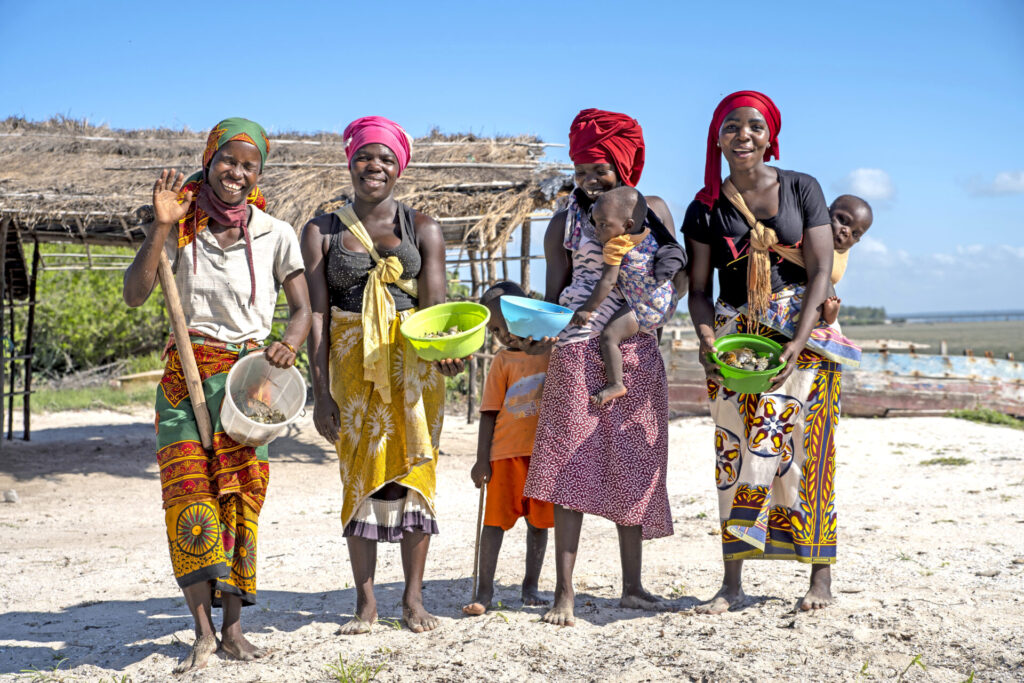
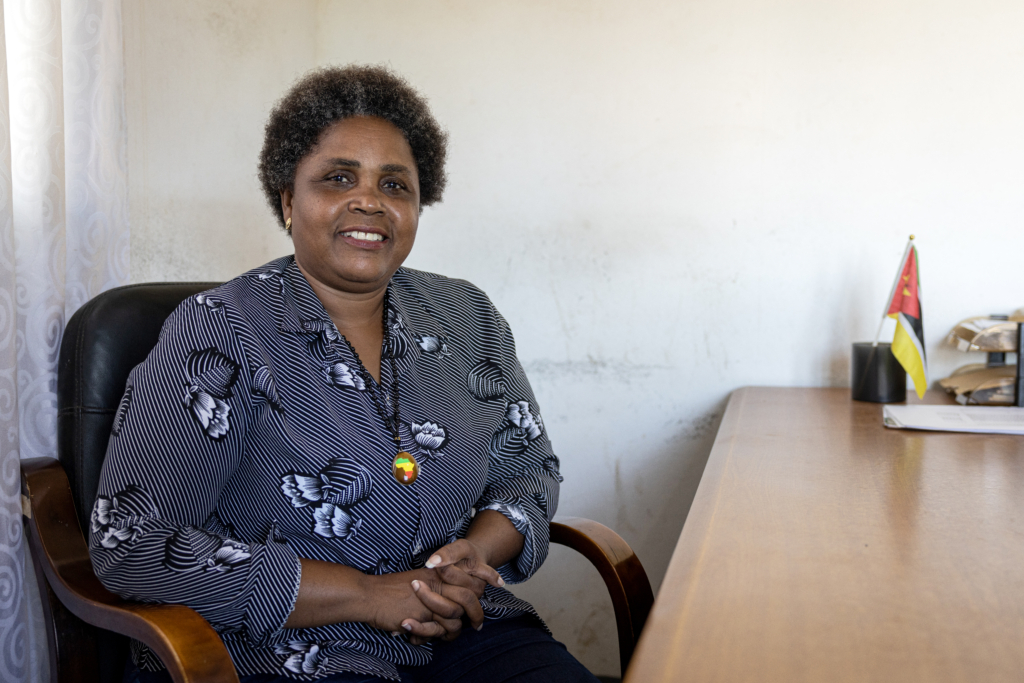
“The communities in our district were already expectant and were implementing management measures at their level. The approval of the plan legitimizes these efforts and reinforces sustainable fishing and the protection of marine resources for future generations,” said Jubeta Mamudo Namaneque, the District Director of Economic Services in Ilha de Moçambique, and a member of the Coastal 500 network.
With support from the Blue Action Fund and in partnership with Wildlife Conservation Society, Rare worked with the national government of Mozambique, provincial authorities in Nampula, partners and local district governments in Ilha de Moçambique and Mossuril, as well as the local fishing communities and Community Fisheries Councils (CCPs) of Ilha Insular, Sanculo, Quissanga, Muanangome, São João, and Cabaceira Pequena to achieve this milestone.
“If the right people come together behind the same objective, we can achieve remarkable progress,” said Markus Knigge, Executive Director of the Blue Action Fund. “The Blue Action Fund applauds the hard work and collaboration of all the partners that went into this milestone, and the leadership the local communities are displaying in the conservation of ocean ecosystems critical to food security, livelihoods, and climate resilience.”
Achieving legal recognition from the national government is made possible through the REPMAR framework, which the national government put into place in 2020. REPMAR officially recognizes communities as co-managers of local fisheries. It also enables communities to set up locally managed marine reserves where fishing and any other invasive activities are off limits, allowing fish populations to rebound. Mozambique’s coast is the fourth longest in Africa and its waters are home to some of the greatest biodiversity on the planet including more than one percent of global coral reefs and two percent of global mangrove forests.