
Nature conservation charities are working urgently to protect the one million species now at risk of extinction — a crisis that threatens the ecosystems we depend on for clean water, climate stability, and food security.
Experts agree on the stakes. Former IPBES chair Sir Robert Watson calls biodiversity “the bedrock of our food, clean water, and energy,” stressing that “we must act to halt and reverse the unsustainable use of nature.”
Research also shows that conservation succeeds most when it is community-led. Rare’s report on people-centered conservation and climate solutions demonstrates how empowering local communities — such as using approaches grounded in behavioral and social science — can slow biodiversity loss, strengthen local economies, build climate resilience, and improve human well-being.
All of this makes supporting effective conservation organizations more important than ever. In this guide, you’ll find some of the top charities leading measurable, science-backed efforts to protect and restore nature.
Key takeaways:
- Conservation charities preserve biodiversity by safeguarding ecosystems, wildlife, and human wellbeing.
- People-led, community-centered conservation is vital for achieving permanent, effective conservation.
- The best nature conservation charities invest in local communities, Indigenous groups, and science to create effective conservation solutions.
What do nature conservation charities and nonprofits do?
Nature conservation charities help lead worldwide efforts to preserve the planet and people using measurable, community-led actions. They:
Restore habitats & ecosystems
Nature conservation charities and nonprofits rehabilitate forests, wetlands, coral reefs, and other ecosystems to restore biodiversity while strengthening flood control, carbon sequestration, and water purification. And, these environmental benefits become long-lasting when local communities and charities collaborate.
In fact, community-led conservation programs that implement behavior-focused approaches can help ecosystems rebound more quickly and sustainably, delivering measurable environmental and social benefits. For example, preserving marine ecosystems through sustainable fishing in collaboration with fishermen and transitioning to low-carbon regenerative farming in partnership with smallholder farmers in Colombia.
Protect endangered species
Organizations dedicated to nature conservation implement a variety of science-based and proven strategies to slow and reverse the decline of species, such as wildlife monitoring, habitat preservation, anti-poaching patrols, and other community-led programs.
In all of these efforts, involving the local community is essential for successful conservation. For example, when communities come together to reduce illegal hunting and monitor endangered species, the survival rates significantly increase.
Educate and empower people
When communities receive training and education on the importance of safeguarding their environment, they gain the knowledge, tools, and confidence to preserve it themselves.
Community empowerment initiatives show that people-centered leadership and knowledge sharing encourage the adoption of sustainable practices, better local conservation efforts, and promote long-term environmental benefits.
Nature conservation charities and organizations making a global impact
Germanwatch’s Climate Risk Index 2026 reports that floods, storms, and heatwaves between 1995 and 2024 caused 832,000 deaths and nearly $4.5 trillion in economic losses — an alarming signal of the escalating climate crisis and the need for urgent global action.
Against this backdrop, conservation organizations play a crucial role in protecting ecosystems, reducing climate risks, and safeguarding the future of life on Earth.
Here are some of the most effective charities and nonprofits leading this work and driving meaningful, measurable impact worldwide.
1. Rare

Mission: Rare inspires communities and Indigenous groups to take action to preserve nature and slow down climate change. Using social and behavioral science and a human-first approach, they nurture locals to become leaders in decision-making and solution procurement that restores habitats, protects wildlife, and contributes to climate resilience.
Rare invests in people-first, community-led solutions to environmental issues. Focusing on behavioral science and delivering with partners, their methods support farmers, fishers, and local leaders throughout Africa, Latin America, and the Asia Pacific. These are some of the most biodiverse, climate-vulnerable areas where community-led conservation can make the biggest difference.
Whether it’s their program that educates farmers how to adopt regenerative practices or their effort to help coastal communities manage fisheries sustainably, their modus operandi is evident: transform a collective, community-driven action into measurable environmental and social results, with focus on empathy, cooperation, and creativity.
Impact:
- Restore biodiversity and habitats in Colombia through the programs that assist farmers in adopting regenerative practices for better soil quality and ecosystem resilience.
- Preserve fisheries and coastal communities by enabling the locals to achieve sustainable management of fishing practices, promoting marine biodiversity, and improving livelihoods.
- Encourage a climate-friendly way of life by encouraging individuals and communities to adopt sustainable practices that lower their environmental footprint.
- Benefit 3.2M people through improved farming, fishing, and conservation practices.
- Introduce measurable, community-first, measurable conservation efforts in 2,000+ communities, in 9 countries, in high-priority ecosystems globally.
- Work with 166,000 coastal fishers and 5,000 farmers, as well as Indigenous Peoples, and a network of mayors and local leaders to preserve ecosystems and improve livelihoods.
- Implement behavior-centered programs that have boosted sustainable fisheries yields by up to 50% and restored 100,000+ hectares of forests and coastal habitats, improving food security, reducing destructive habits, and enhancing climate resilience.
- Train individuals in behavior-centered design for conservation in 100+ countries.
- Enable 306,448 km2 of coastal ocean area for community-led conservation and co-management.
- Support the conservation of 50,000km2 of land in collaboration with partners.
- Strengthen biodiversity, food security, local economies, and climate resilience by elevating local leadership and aligning policy, behavior change, and ecosystem outcomes.
- Invest directly into the people helping the ecosystems recover through changed behaviors/practices.
You can also empower communities, restore biodiversity, and mitigate climate change by giving what you can today. Your gift is an investment in science-rooted, community-led conservation.
2. Jane Goodall Institute
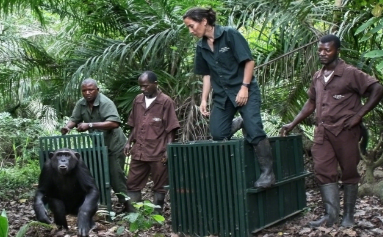
Mission: The Jane Goodall Institute protects chimpanzees and their habitats, conducts sustainable, community-first conservation, and inspires individuals and communities globally to contribute to a healthier planet. They create long-term solutions that preserve ecosystems and human well-being.
Their work is based on science, community partnership, and youth empowerment, recognizing that preventing wildlife loss is impossible without supporting the individuals who share the land with them.
Impact:
- Improve conservation through community partnerships and science-rooted methods.
- Prevent chimpanzees’ habitat loss.
- Enhance forest protection and quality of life for locals.
- Enable sustainable land-use in Africa.
- Empower youth through Roots & Shoots to lead local conservation and climate projects.
- Foster lasting cultural transformation through education and actionable measures.
3. Environmental Defense Fund (EDF)
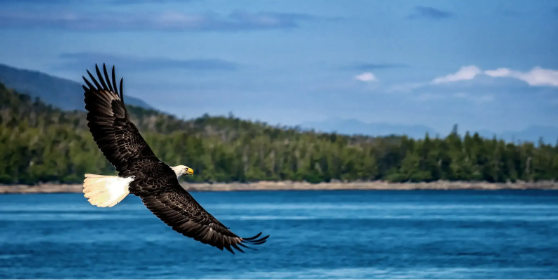
Mission: The Environmental Defense Fund creates science-based, community-supported solutions for pressing environmental issues, focusing on policies, science, and industry. The charity partners with businesses, governments, researchers, and communities to reduce climate pollution, preserve ecosystems, and create a resilient future.
Their methods are scalable interventions, such as decreasing methane emissions, speeding up the process of clean energy adoption, protecting the oceans, and promoting equitable environmental outcomes.
Impact:
- Help pioneer cap-and-trade programs in reducing sulfur dioxide pollution.
- Work with companies on trimming millions of tons of greenhouse gas emissions.
- Lead international initiatives to fight against methane.
- Influence important US environmental policies.
- Encourage marine protection to restore fish populations.
4. World Wildlife Fund (WWF)
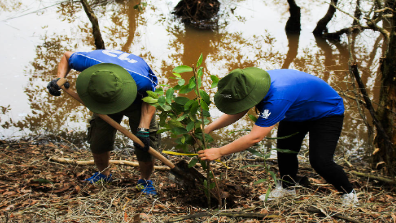
Mission: The World Wildlife Fund safeguards nature and decreases urgent threats to the diversity of life on Earth. They protect endangered species and ecosystems, address climate change, transform global food systems, and promote sustainable practices throughout industries.
Their work is rooted in science, policies, and grassroots action: building a global collaboration that preserves the oceans, freshwater, forests, and wildlife habitats for the next generations. Through evidence-based methods and a global footprint, they achieved global, measurable biodiversity protection and climate resilience.
Impact:
- Lead global agreements to stop illegal wildlife trade.
- Partner with governments and businesses to improve climate policies.
- Improve supply chain sustainability.
- Innovate regenerative practices in fisheries and agriculture.
5. Conservation International
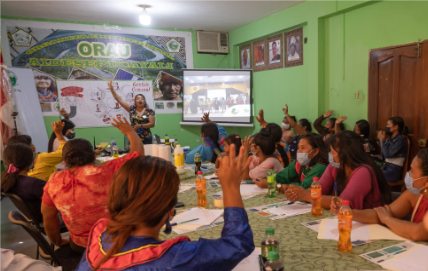
Mission: Conservation International’s mission is to safeguard nature for the benefit of people, wildlife, and the planet. Their focus is on oceans, forests, and other ecosystems that regulate climate, play a role in biodiversity, and sustain human life.
They’ve protected over 13 million square kilometers of sea and land spanning across 70 countries. Guided by local knowledge and science, they cooperate with governments, communities, and businesses to create long-term solutions that balance environmental protection with economic opportunities.
Impact:
- Support nature-focused climate solutions adopted by governments.
- Empower communities by strengthening sustainable livelihoods and encouraging conservation leadership.
- Help improve environmental policies, corporate standards, and international climate actions.
6. African Wildlife Foundation (AWF)
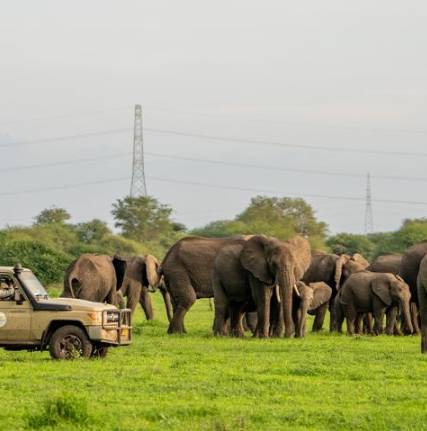
Mission: The African Wildlife Foundation helps wildlife and wildlands thrive in Africa. They safeguard critical habitats, preserve at-risk species, and empower the locals.
Through a combined approach of science-based conservation and economic development, this organization helps governments, landowners, and community leaders embrace sustainable practices to conserve Africa’s natural heritage.
They also improve conservation leadership in Africa and set up long-term systems for biodiversity preservation and better livelihoods.
Impact:
- Preserve most at-risk landscapes in Africa through national legislation and cross-border wildlife safeguarding.
- Safeguard millions of acres of habitat.
- Reduce poaching by introducing anti-trafficking programs and training rangers.
- Enhance land-use planning for sustainable income opportunities.
- Provide education for future conservation leaders.
7. Belize Maya Forest Trust (BMFT)
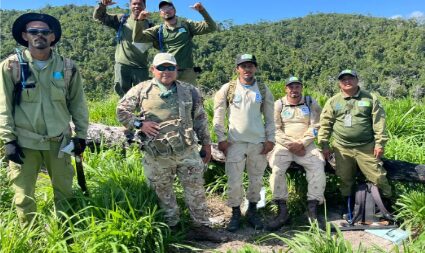
Mission: BMFT’s mission is based on fostering sustainability, resilience, and protecting biodiversity in one of the last large, intact tropical forests in Central America, known as the Belize Maya Forest. They safeguard at-risk species, conserve watershed and carbon-storage functions, and support long-term community-led stewardship.
Impact:
- Safeguard around 236,000 acres of rainforest, part of a wider network that conserves more than half a million acres of contiguous tropical forest.
- Employ habitat monitoring, patrols, fire prevention and management, and community stewardship programs.
- Decrease illegal logging, deforestation, and poaching.
- Help maintain a stable predator-prey population and restore forest health.
- Reduce invasive species in Cara Blanca Pools and Black Creek.
8. Oceana
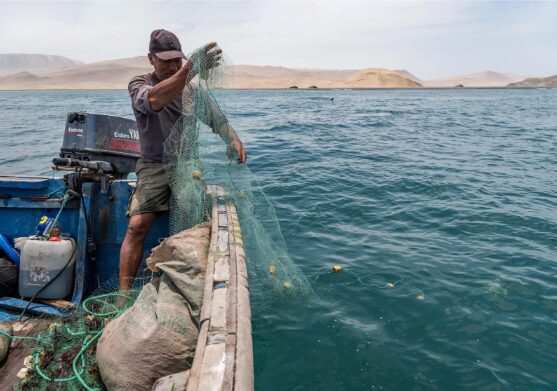
Mission: Oceana preserves and restores the oceans using policy advocacy rooted in science. They focus on rebuilding the oceans so they can feed the world sustainably. They use proven solutions to help marine ecosystems heal and thrive, such as reducing plastic pollution, ceasing overfishing, safeguarding habitats, and enhancing the management of fisheries.
Impact:
- Secure policy wins globally, changing laws and regulations for marine life protection.
- Rebuild the fish population by banning destructive fishing methods and decreasing bycatch.
- Fight against single-use plastics and illegal fishing to protect habitat and better seafood transparency.
- Heal the ocean by supporting coastal communities and improving food security.
9. BirdLife International
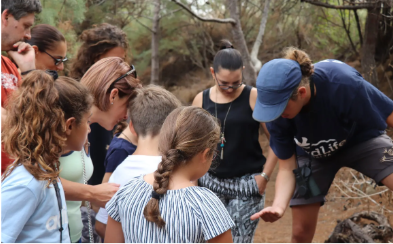
Mission: BirdLife International aims to preserve birds, their habitats, and biodiversity. They use science-based protection, advocacy, and community engagement through a global network of 120+ partner organizations. They protect Important Bird and Biodiversity Areas, stopping species extinctions and creating policies that safeguard vital ecosystems.
Impact:
- Identify and preserve IBAs.
- Promote global conservation policy through science-based research.
- Provide data for global protection efforts through its Red List assessments.
- Collaborate with locals to empower sustainable land-use.
- Restore destroyed habitats.
- Mitigate climate change, illegal wildlife trade, and invasive species.
10. Rainforest Trust
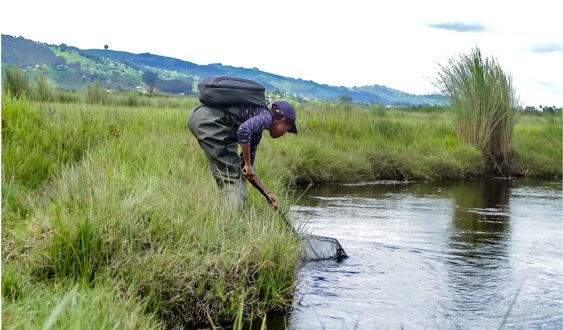
Mission: Rainforest Trust safeguards at-risk tropical forests and their species through legally designated protected areas. They partner with locals and Indigenous organizations to protect critical habitats, stop deforestation, and maintain cost-effective global biodiversity through land protection rooted in science, led by the community.
Impact:
- Safeguard rainforests by supporting Indigenous land rights.
- Fund land purchases and set up reserves in Latin America, Africa, and Southeast Asia.
- Avert loss of habitat and protect endangered species.
- Promote long-term conservation through community empowerment.
11. Coral Triangle Center (CTC)
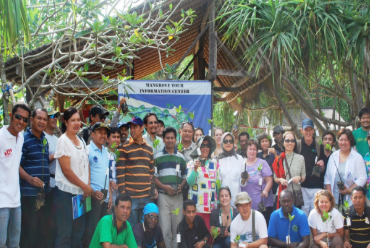
Mission: The Coral Triangle Center aims to preserve marine biodiversity and make coastal communities more resilient within the Coral Triangle. They’re on a mission to improve marine resource management, community engagement, and conservation training, protecting the epicenter of marine life.
Impact:
- Provide training for marine managers and climate resilience initiatives.
- Support effective management of marine protected areas.
- Work alongside coastal communities to enhance sustainability in fisheries.
- Improve conservation skills and encourage coral reef restoration and marine species protection in Bali.
- Strengthen local stewardship in Indonesia, Timor-Leste, and the broader Coral Triangle.
12. Re:Wild
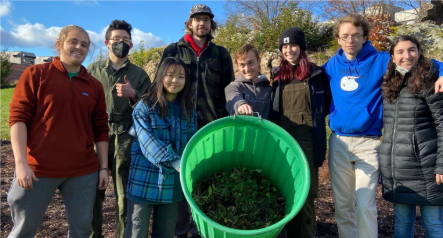
Mission: Re:Wild conserves and restores the wild, including the lands, waters, and species. They were founded by several leading conservation scientists and actor and conservationist Leonardo DiCaprio.
They focus on protecting biodiversity, preventing species decline, and supporting the locals and Indigenous communities who guard the most at-risk ecosystems globally.
Impact:
- Collaborate with Indigenous Peoples, scientists, locals, and governments to bring about large-scale conservation.
- Protects and restores the Amazon, Congo Basin, and Southeast Asia.
- Restores highly threatened species and supports community-led conservation.
- Equips locals with the necessary resources to manage and protect their environments.
- Relies on science-proven methods and global partnerships to reverse nature loss and create ecological resilience.
13. Health in Harmony

Mission: Health in Harmony partners with communities to preserve their rainforests, with a focus on the connectedness of human well-being and the health of the ecosystem.
They train in regenerative processes, support sustainable livelihoods, and provide medical care, helping lower the pressure on forests and improving locals’ quality of life.
Impact:
- Create measurable conservation in Indonesia, Brazil, and Madagascar.
- Provide healthcare and livelihood to motivate commitment to forest protection.
- Help communities reduce illegal logging.
- Decrease deforestation in protected areas.
- Improve maternal health and increase household income stability.
- Contribute to stronger climate resilience.
- Empower communities to care for biodiversity and lower CO2 emissions.
14. Wildlife Conservation Society

Mission: The Wildlife Conservation Society’s mission is to safeguard wildlife and wild places using science, action, education, and inspiration. Rooted in ecological research, they focus on preserving the most threatened species and ecosystems by partnering with locals and Indigenous communities in creating permanent, sustainable solutions.
Impact:
- Manage field conservation programs.
- Support wildlife protection and habitat preservation in the Amazon, the Congo Basin, Southeast Asia, and North America by partnering with locals, governments, and global partners.
- Prevent species decline and strengthen the management of protected areas.
- Fight against wildlife trafficking and shape policies.
- Support community-led stewardship, aligning conservation success with people’s well-being.
How to support nature conservation efforts that last
Supporting conservation is about choosing an organization that empowers communities, improves ecosystems, and contributes to sustainable changes. Here are some practical, research-based ways in which donors and advocates can support long-term conservation:
Donate
Financial contributions are essential to sustaining long-term, effective conservation efforts. All monetary donations help build a future in which billions of people in the world’s most biodiverse and climate-vulnerable geographies can thrive through increased community and ecosystem resilience.
Volunteer
Time and expertise are also essential to conservation. To strengthen local preservation efforts, explore volunteering with local conservationists, joining a community cleanup, and offering professional expertise. Volunteer programs and citizen science contribute measurably: To date, the most comprehensive systematic review notes that participation elevates knowledge, stewardship, and conservation behaviors. In many cases, these efforts also generate monitoring data that directly inform and improve management decisions.
Support Local Leaders
Local communities play a pivotal role in long-term conservation, as their livelihoods, food systems, and cultural identities are intrinsically connected to these ecosystems. Biological Conservation found that conservation programs involving local communities and Indigenous groups tend to have higher biodiversity, lower deforestation, and better long-term sustainability.
When looking for a charity to support, prioritize organizations that invest in local leaders, support Indigenous knowledge, and include the community in decision-making.
Make Sustainable Lifestyle Choices
Growing research shows that individual behavior matters in solving climate change and that people are more likely to adopt climate-friendly habits when they see others doing the same. When everyday actions such as eating less red meat, choosing cleaner transportation, reducing food waste, or installing renewable energy are visible to friends, family, and neighbors, they not only lower a person’s own environmental impact but also influence community norms and motivate broader adoption of these behaviors. This aligns with findings from Rare’s work on climate and behavior change, which highlights the role of social norms and diffusion of behavior in making sustainable lifestyle shifts more effective and widespread.
Help protect nature today
Preserving the planet isn’t solely the work of governments and environmental nonprofits. Long-term positive results are possible if everyone plays their part. Through local action, such as adopting sustainable habits, donating to a charity, or volunteering with a nonprofit, individuals can contribute to more resilient communities and healthier ecosystems.
If you’re eager to make a measurable, visible contribution and a long-lasting impact, consider supporting a community-first organization like Rare. Rare collaborates with local leaders and households to promote sustainable habits, preserve ecosystems, and build stronger livelihoods. Through science-based conservation, they empower communities to become the long-term protectors of their environment and resources.
Starting locally is the best way to act globally. Show your support for communities in endangered habitats and ecosystems by giving what you can today. You can also subscribe to Rare’s newsletter to learn about their work around the globe and other ways to support their mission and impact.
Nature conservation charities FAQS
What is the best nature conservation charity?
There’s no such thing as the “single best charity” since different organizations focus on various aspects of conservation. This said, there are community-led organizations focused on achieving measurable conservation through science-rooted programs and transparent reporting.
To support locally-led conservation enhanced by scientific knowledge, consider a gift to Rare. For 50 years, this global conservation leader has been empowering social change for long-term conservation. They use a behavior-centered approach to achieve measurable results and empower individuals to adopt sustainable habits to safeguard biodiversity.
How do conservation organizations use donations?
Most use donations to implement projects, finance community programs, advance scientific research, restore habitat, and advocate. The funds are usually directed towards ecosystem restoration, wildlife monitoring, local leadership training, and improving land and water management.
Rare’s donations, which are regularly and transparently reported, go towards behavior-focused conservation. They focus on locals’ training to improve resource use, support for coastal fisheries to adopt sustainable fishing practices, restoration of endangered habitats, biodiversity protection, and building tools, data, and evidence to provide support to communities in managing their natural resources.
What charities give the highest percentage to their cause?
Charities that direct the highest percentage to programs are those with excellent financial discipline, clear priorities, and lean administrative structures. The organizations rated highly by evaluators like Charity Navigator tend to spend at least 70 percent of their expenses on their programs.
Rare, a four-star charity with a 99% score, allocates a significant amount from its budget towards conservation programs and community-led initiatives, rather than overhead. All received donations contribute towards permanent, measurable results that help communities conserve nature as sustainably and as effectively as possible.