Artificial Intelligence (AI) offers tremendous potential for communities on the front lines of climate change. As sea levels rise, weather grows more extreme and unpredictable, and migratory patterns shift, fishers and farmers across the Global South are feeling the impact. But the real-time data, quick analysis, and ready solutions AI enables offer frontline communities a powerful tool to adapt. And for organizations working to support and partner with these communities, AI can help extend reach, reduce cost of delivering interventions, and turn support around quickly and efficiently.
“At Rare, we believe biodiversity conservation must be locally led. But leadership is harder when uncertainty is rising and climate shocks are accelerating,” said Rare CEO Brett Jenks. “That’s why we see AI not as a novelty, but as a practical tool to help frontline communities become more resilient, more informed, and more capable of shaping their own futures.”
Here are five ways Rare is piloting AI to advance community-led conservation and build climate resilience:
1. People-centered AI for Amazon coastal resilience
Location: Brazil
Partners: Accenture, Marine Environmental Monitoring Laboratory (LAPMAR/UFPA), Secretary of Environment of Pará State (SEMAS)
Along Brazil’s Amazon coast, tides and salinity are becoming increasingly unpredictable — damaging oyster farms, flooding homes, and putting small-scale fishers at risk. Yet local decision-makers often lack the data and tools needed to anticipate and respond to these shifts.
Rare has partnered with Accenture, the Marine Environmental Monitoring Laboratory (LAPMAR/UFPA) and the government of Pará state (SEMAS), Brazil, to use low-cost technology to monitor coastal data, and then use AI to translate complex predictions into daily forecasts with accessible language tailored to specific river locations. The forecasts help fishers make informed decisions about when to harvest and generate data that can support governments with long-term climate planning.
Through the Amazon Climate Resilience Alliance (ARCA), we are combining real-time environmental monitoring, community knowledge, and human-in-the-loop AI to deliver hyperlocal early warnings and decision support. Tools like IASmin empower fishers and coastal communities along Brazil’s Amazon coast to make safer, faster livelihood decisions while strengthening public-sector climate adaptation.”
Monique Galvão, Vice Presdient of Rare Brazil
2. On-demand, trusted guidance for farmers
Location: Colombia
Partner: SalesForce
In Colombia, decades of armed conflict displaced families and disrupted rural livelihoods, including agricultural systems. Without access to extension services or technical guidance, many farmers continued to rely on long-established conventional farming practices to sustain food production, often without full awareness of their long-term environmental impacts.
Today, a growing number of Colombian farmers are transitioning to regenerative agricultural practices to increase their yields while safeguarding the nature that sustains them. To support this shift, Rare is leveraging AI.
Working with Salesforce, Rare has developed an AI-powered extension agent named Agent Tierra who delivers personalized, real-time guidance to smallholder farmers through WhatsApp. Grounded in a behavior-based approach, Agent Tierra provides trusted, practical recommendations in accessible language, while respecting farmers’ experience, knowledge, and decision-making.
Agent Tierra is an example of a truly inclusive technology — one that listens, learns, and adapts to the realities of smallholder farmers in rural Colombia. This program proves that AI can strengthen human connection and accelerate regenerative agriculture.
Monica Varela, Vice President of Rare Colombia
3. Enhancing tech tools for protecting fisheries
Location: Philippines
Partner: EarthRanger
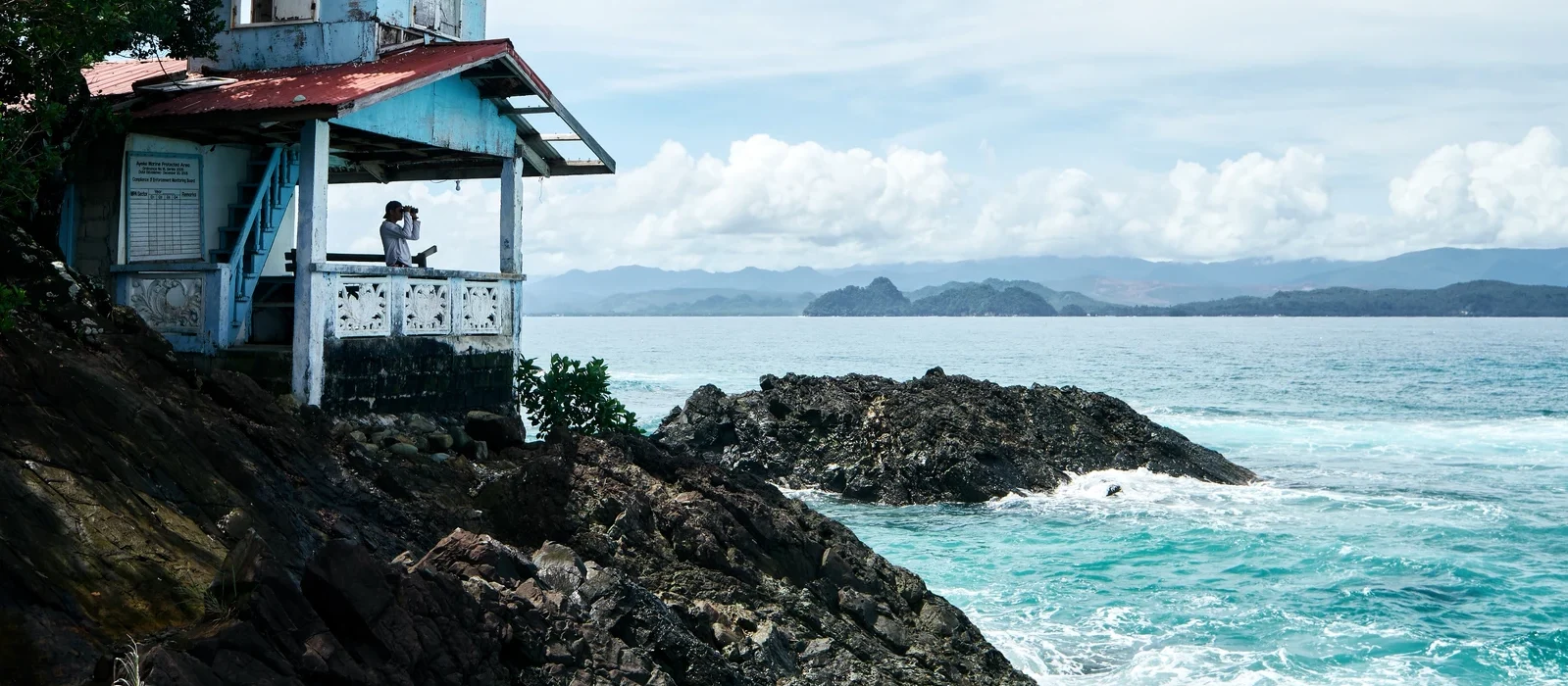
In the coastal communities of the Philippines, community-based volunteers known as Bantay Dagat patrol local fisheries to help curb illegal fishing. Their work is driven by deep community pride, but volunteers can’t be everywhere at once and often lack the technical tools to move beyond reporting what they observe.
In 2024, Rare began partnering with EarthRanger, a platform that collects and shares real-time data from patrols carried out by groups like Bantay Dagat. Using EarthRanger data, Rare built a dashboard that translates patrol observations into a clearer picture for users of where enforcement is happening and where illegal fishing is occurring. Rare then applies AI to generate concise summaries and insights, putting timely, useful information into the palms of community protectors.
AI enhances the commitment of community volunteers by ensuring their efforts translate into timely local government action. Through a shared analytics platform, EarthRanger enables communities and local government units to coordinate responses and jointly steward coastal resources.”
Aya Silva, Vice President of Rare Philippines
4. Keeping our finger on the pulse of communities
Location: Global
Partner: Apurva.ai
We know that climate change is leading sea levels to rise, storms to strengthen, and biodiversity to disappear. But how is our work impacting people’s lives?
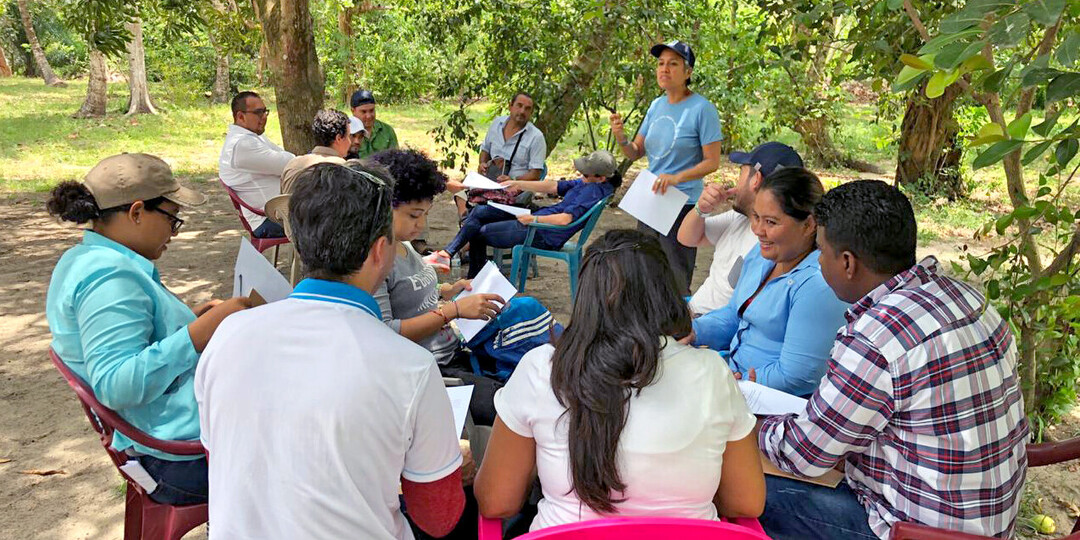
In 2024, Rare partnered with Apurva.ai, a non-profit digital platform that uses AI to capture the voices and perspectives of communities on the frontlines of climate change and tap into solutions rooted in the collective wisdom of our partners. The tool allows organizations like Rare to listen at scale to how people are experiencing climate events and their experiences with local NGO or government interventions. The Apurva platform quickly analyzes feedback and wisdom, often in the form of recorded interviews, to help NGOs and governments adapt in real time based on people’s experiences.
Conservation works best when it is driven and informed by the people and communities impacted. By using AI to collect, collate, and elevate insights from a diversity of voices, experts, practitioners, and people on conservation’s frontlines, we can ensure community perspective and experience steer the programs and initiatives alongside science.”
Claudia Quintanilla, Vice President of Rare’s Global Hub for Learning & Collaboration
5. Turning climate data into action for fishing communities
Location: Global
Partner: Multiple
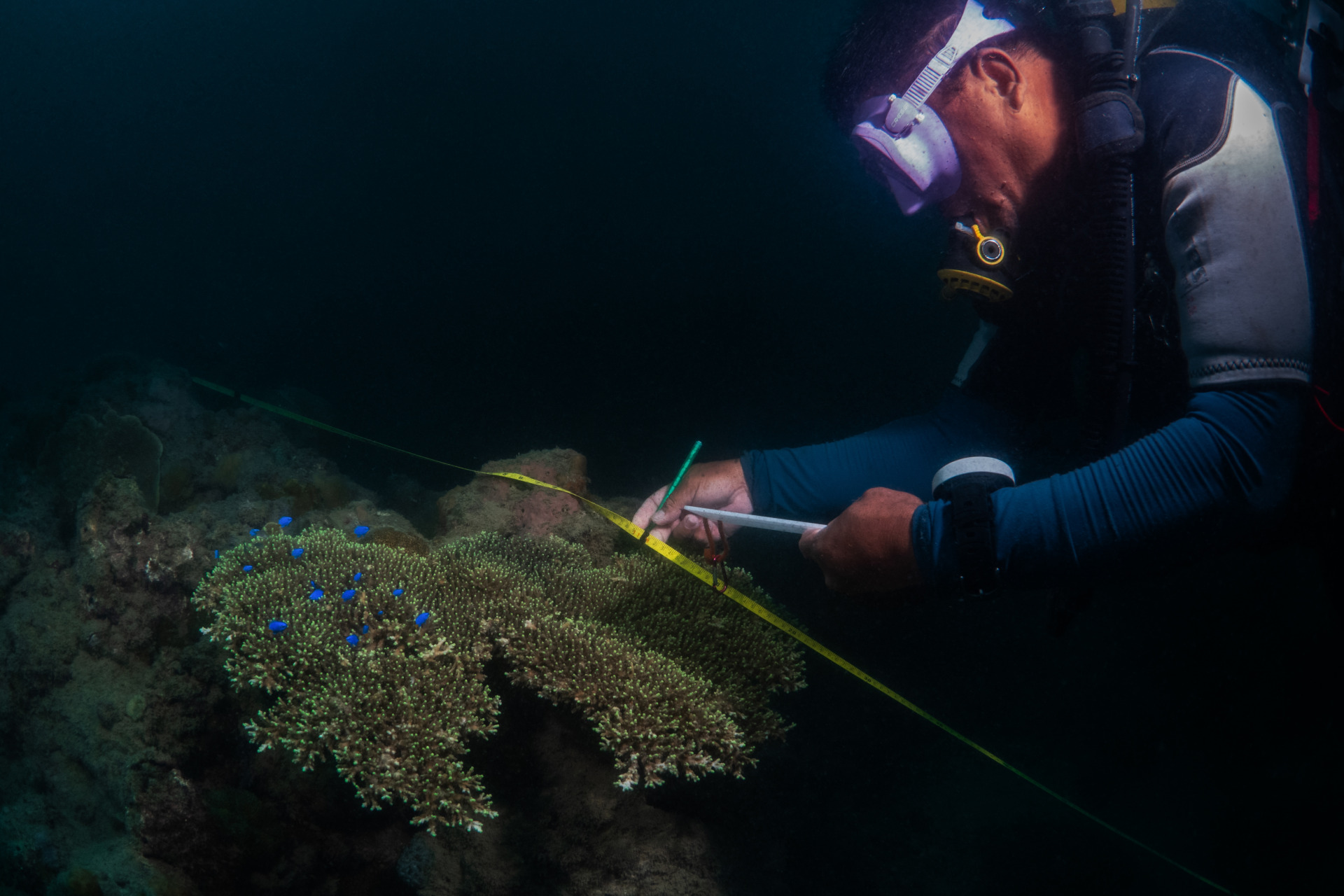
As climate change reshapes coastlines, local decision-makers often lack the tools to translate complex climate data into concrete action. Rare’s Climate Change Vulnerability Assessment (CCVA) platform analyzes over 30 scientific indicators — from fish biomass and coral cover to economic dependence on fishing and social trust — to create a comprehensive vulnerability score for each coastal area.
Now, Rare is using AI to interpret mountains of data produced by the CCVA and generate plain-language explanations of why an area is vulnerable, which factors are driving risk, and what adaptation actions would be most effective given local conditions.
The platform also includes an action library of 100+ adaptation strategies, filterable by difficulty, timeframe, and expected impact. Community leaders, fisheries management bodies, and local governments can build customized action plans and export them as professional PDF reports complete with vulnerability assessments and strategic recommendations. What once required weeks of expert analysis can now be completed in minutes, democratizing access to climate adaptation planning.
The CCVA platform will transform how we approach climate adaptation in coastal fisheries. By using AI to interpret complex vulnerability data, we will put powerful decision-making tools directly into the hands of the communities and local governments who need them most. This isn’t just about collecting data — it’s about turning that data into clear, actionable strategies to build resilience before the next storm hits.”
Kamalika Datta, Rare Vice President of Strategy and Operations
Stay connected
Sign me up for occasional emails to learn more about Rare’s work and how I can support its mission. I know I can unsubscribe at any time.
Frequently asked questions
Who is Rare?
Rare is a global leader in community-led solutions to protect nature, fight climate change, and build resilient communities.
We empower people around the world to adopt sustainable practices, restore ecosystems on land and at sea, and strengthen their livelihoods — ensuring people and nature thrive together.
What is Agent Tierra
Agent Tierra is an AI-powered virtual extension agent that delivers personalized, real-time guidance to smallholder farmers through WhatsApp. Agent Tierra combines agronomic data, localized climate information, and behavioral insights to support farmers in adopting regenerative agriculture practices.
How can I support Rare’s mission?
Your support makes a difference!
Donate now to empower people creating real change.
or
Subscribe to get stories of hope and impact delivered to your inbox.