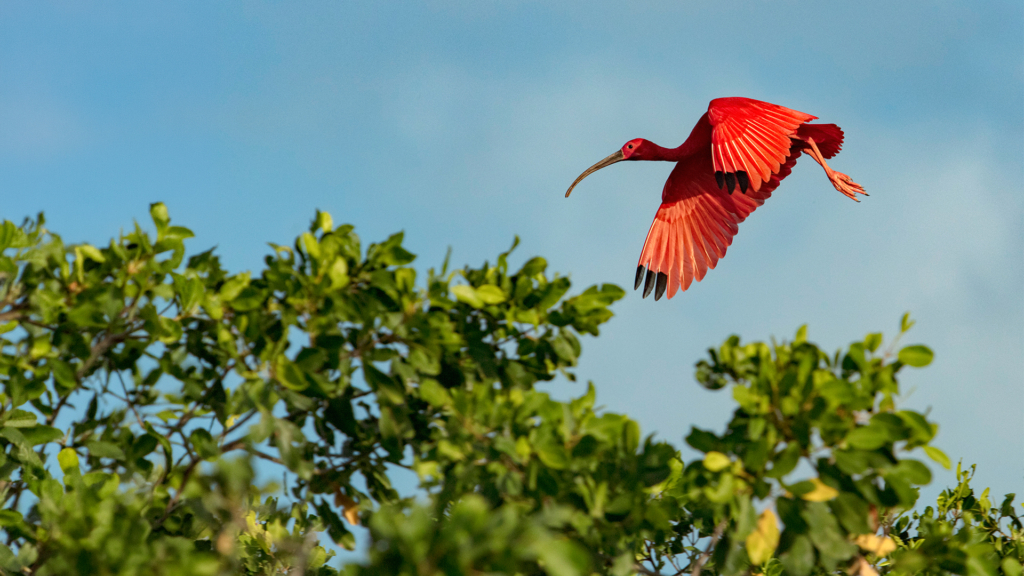
Vibrant red ibis flying above a mangrove.

Rare at COP17

About

Scaling community-led solutions to deliver the Global Biodiversity Framework  
From October 19 – 30, Rare will join 20,000+ government officials, civil society leaders, and conservation practitioners in Yerevan, Armenia for the 17th UN Biodiversity Conference.  

COP17 is the first global review of progress since countries adopted the Kunming-Montreal Global Biodiversity Framework (KMGBF) – a critical test of whether commitments are turning into results. COP17 will confront the gap between commitment and delivery: strengthening synergies across climate and biodiversity action, accelerating progress towards 30×30, the recognition of Indigenous Peoples’ and local communities’ rights and governance, and closing the biodiversity finance gap that stands between ambition and impact. 

Rare’s engagements at COP17 will focus on the strength of community-led solutions to address conservation challenges. Communities around the world are already designing and delivering the conservation solutions the Framework calls for. COP17 is an opportunity for these solutions to be moved from the margins of the agenda to the center of how the world finances and scales conservation.
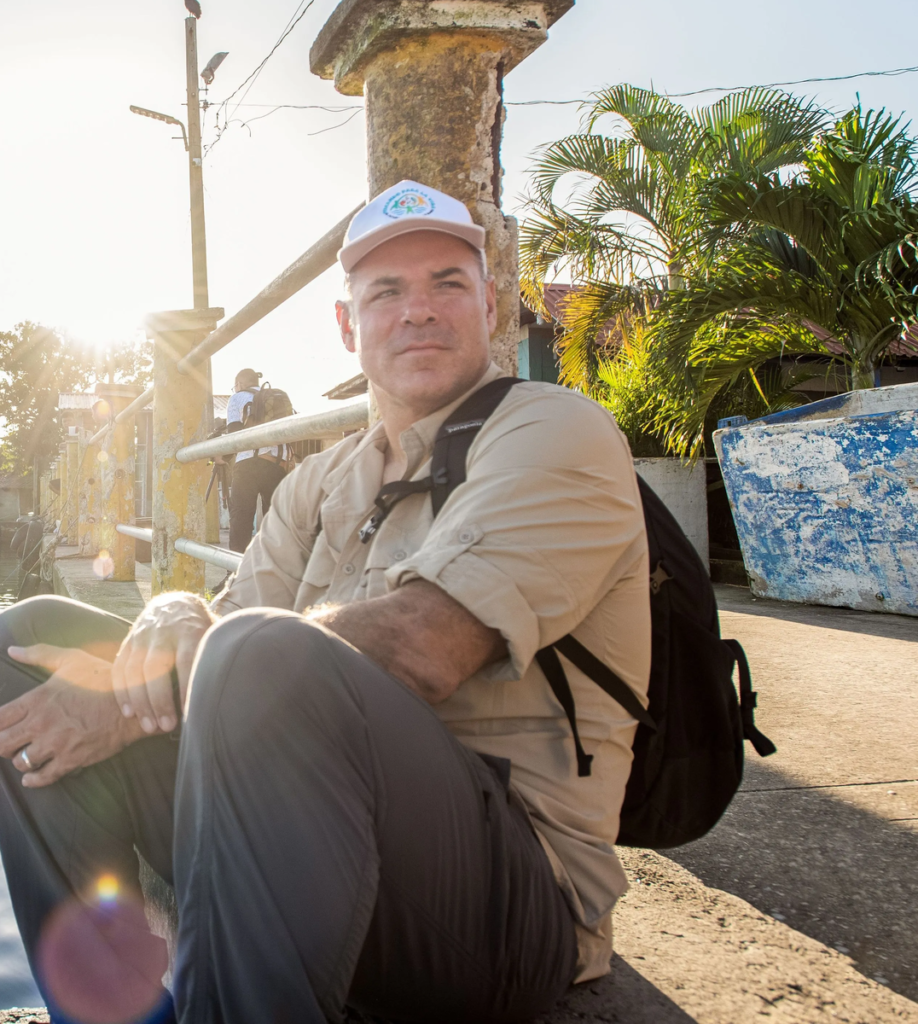
Rare President Caleb McClennen visiting Fish Forever locations in Honduras.

Five things we will be watching at COP17

Rare’s delegation will focus on strengthening support for community-led solutions to safeguard biodiversity. Are countries committed to giving communities the rights to lead in the protection of natural resources? Will public, private, and philanthropic funders commit to mobilizing financial resources that better reach the frontlines of our conservation challenges? Will local communities be represented at the decision-making tables?

Those are some of the big questions Rare has heading into COP17.

Global commitments on biodiversity and climate are made in conference halls, but their success ultimately depends on what happens in communities like ours.

Mayors from across the globe issue a call for greater interconnectedness between CBD and Climate COPs.
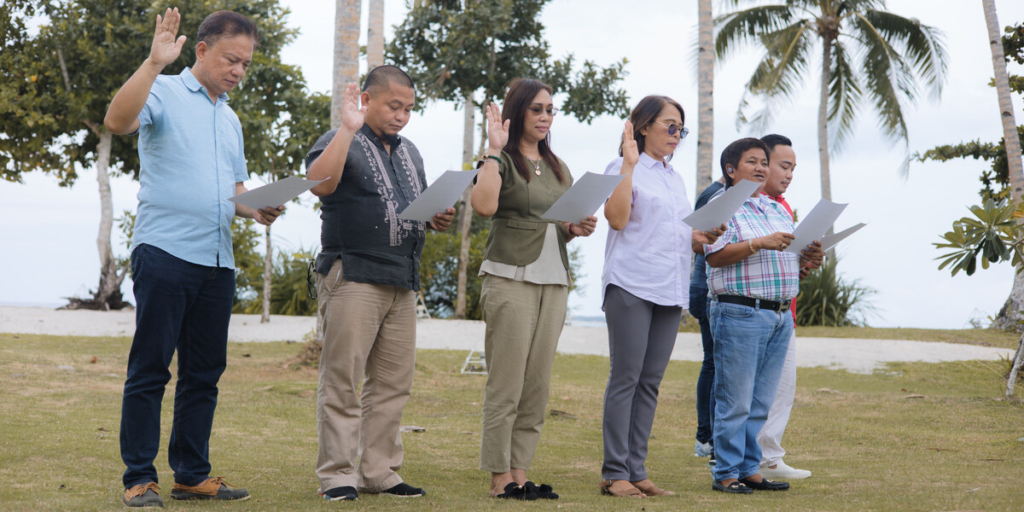
Coastal 500 members in the Philippines taking the Coastal 500 pledge.

Let’s Connect

Want to get in touch for COP17? Email Tanmatra Bhanti at tbhanti@rare.org. 

Finance for scale

Closing the biodiversity finance gap 

Today we face a tremendous gap between the funds we need for conservation in the world’s most vulnerable places, and the actual money currently being invested. Philanthropy is essential but falls short of what is required. At COP17, Rare will showcase innovative solutions that bring together public, private, and philanthropic capital and channel it toward the frontlines of conservation and climate change. 
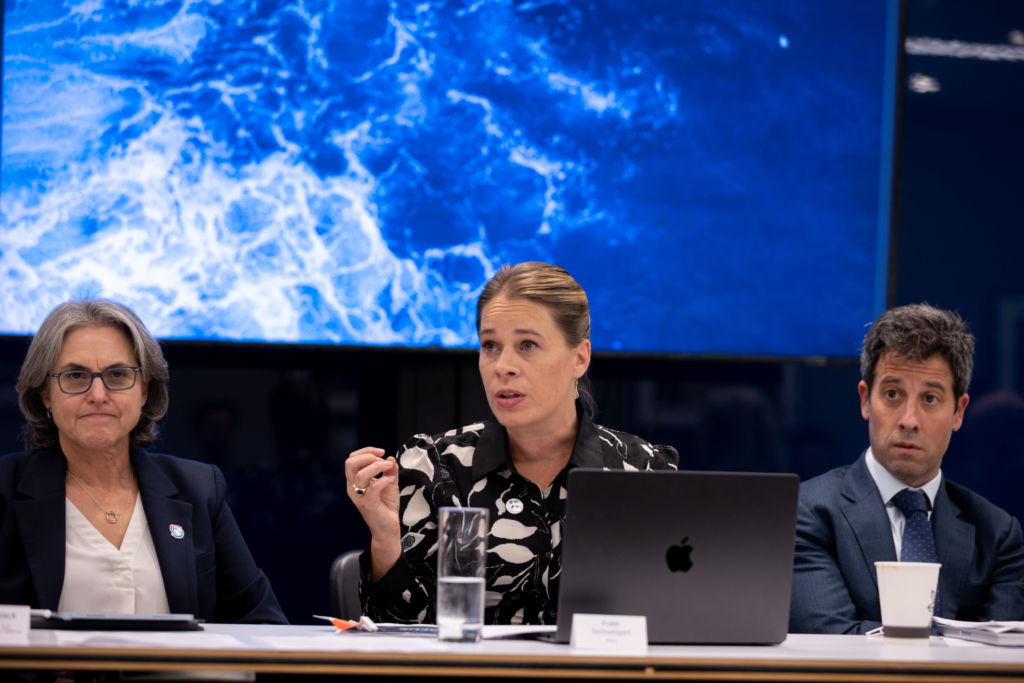
Kate Schweigart, VP of Innovative Finance at Rare, speaks during the launch event for Deep Blue. She was joined by Karen Sack of Ocean Risk & Reduction Action Alliance (left) and Zach Levey of Levoca (right).

Scaling a pay-for-results approach to ocean protection
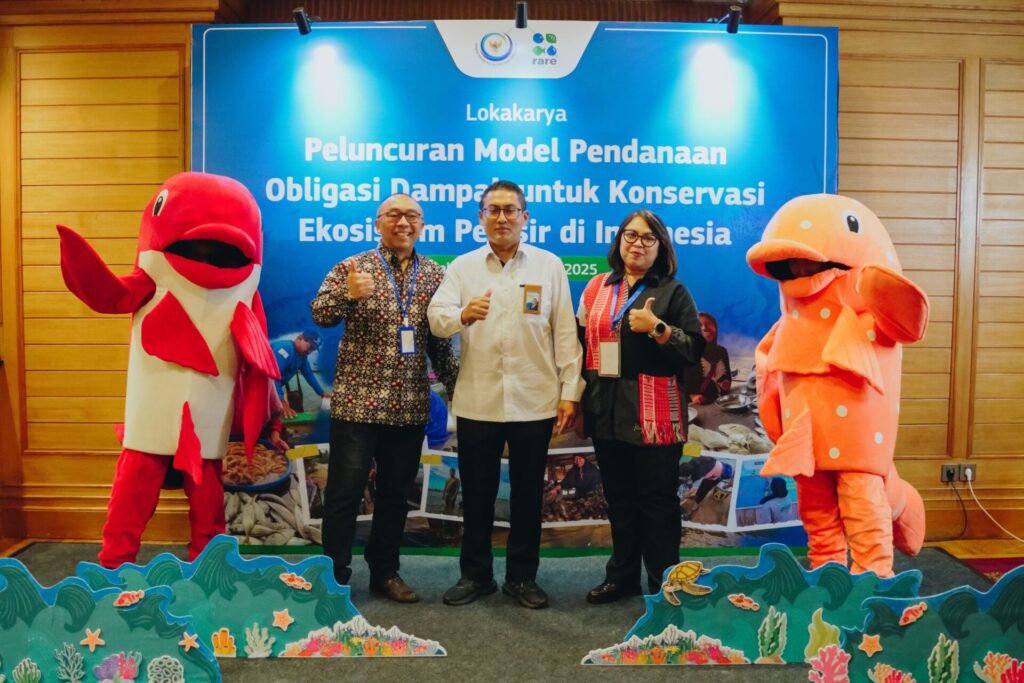
Channeling capital toward the revitalization of coastal communities and ecosystems.
Woman selling fish in a market.

Connecting frontline communities to the formal financial sector.

30×30

Advancing 30×30 for Coastal Communities 

As countries continue to make commitments to protecting 30% of land and sea by 2030 (30×30), there is a gap between ambition and effective action. Based on the recently launched Ocean Protection Gap Report, 26% of terrestrial and inland water areas would be protected if all existing government pledges were ⁠fulfilled by 2030, but only 12% of marine ecosystems would be covered. 

For marine protected areas and other effective area-based conservation measures (OECMs) to be effective, they need to be grounded in community leadership, social legitimacy, and effective fisheries outcomes for those who depend on it the most. At COP17, Rare will show how community-led coastal governance approaches can contribute to national 30×30 commitments while simultaneously advancing sustainable fisheries, food security, climate resilience, and local livelihoods. 
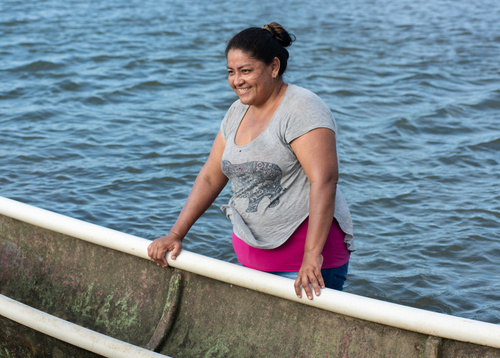
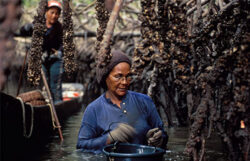
Fisher woman in Honduras.

Revitalizing coastal fisheries to empower local communities to manage them sustainably.
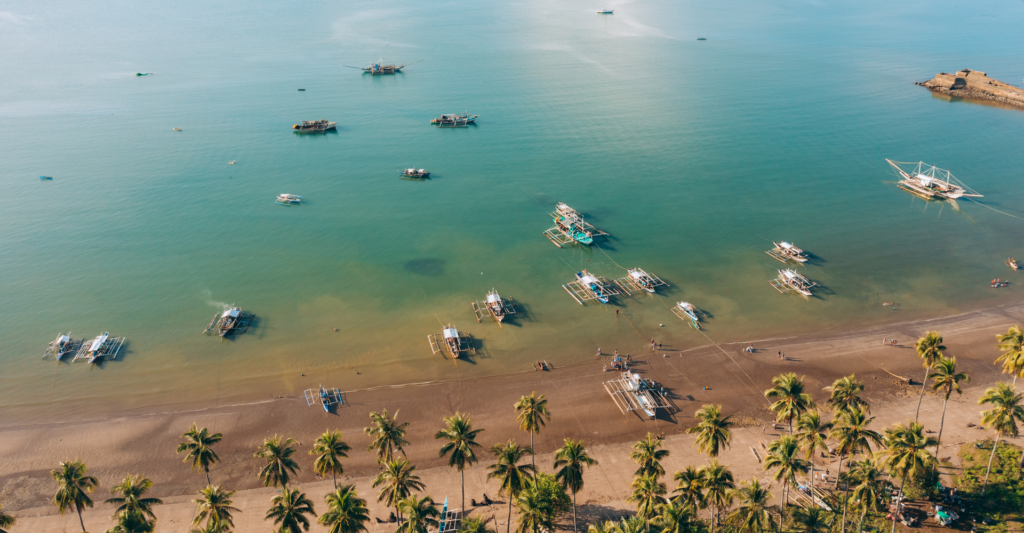
Explore progress towards 30×30 in the ocean
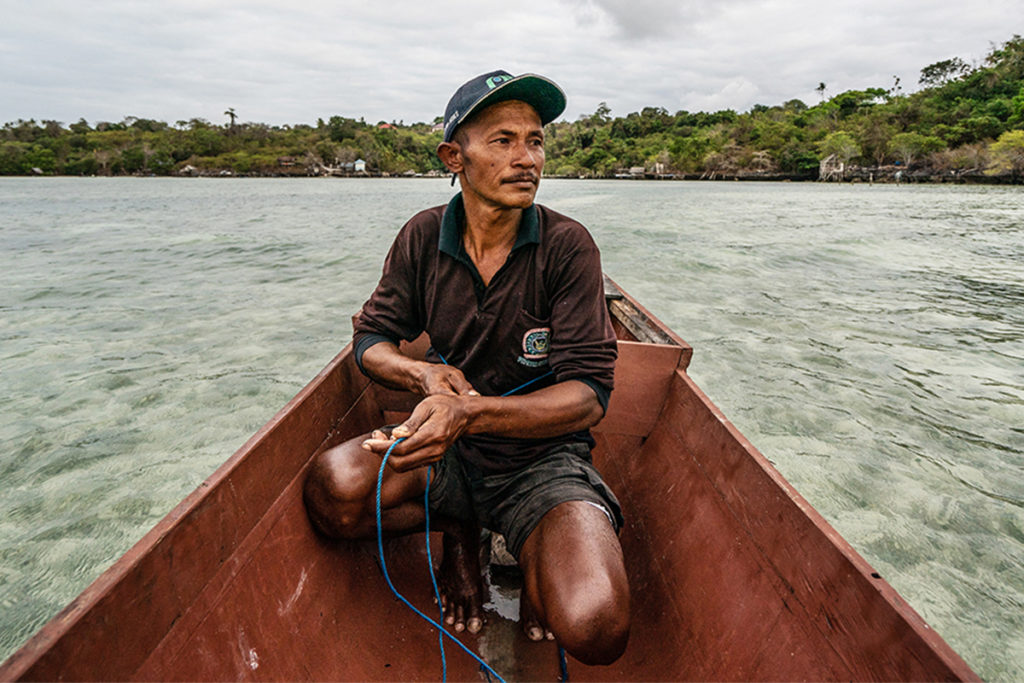
fisherman in indonesia

From illegal fishing to protecting the ocean

Community-led solutions

Using biodiversity to advance community resilience

Biodiversity conservation is a critical component to building resilience in communities, especially those that already face the most impacts from climate change – despite the fact that they contribute least to the causes. By leading with a community first lens, scaling adaptation and resilience contributes to more than just climate and biodiversity goals and extends to protecting livelihoods, traditions, and ways of living. 

Climate and biodiversity are inherently linked. Even with two different COPs, these interconnected issues cannot be separated from one another. As such, COP17 outcomes will lay the foundation for the upcoming UN Climate Conference (COP31) in Anatalya, Türkiye.  
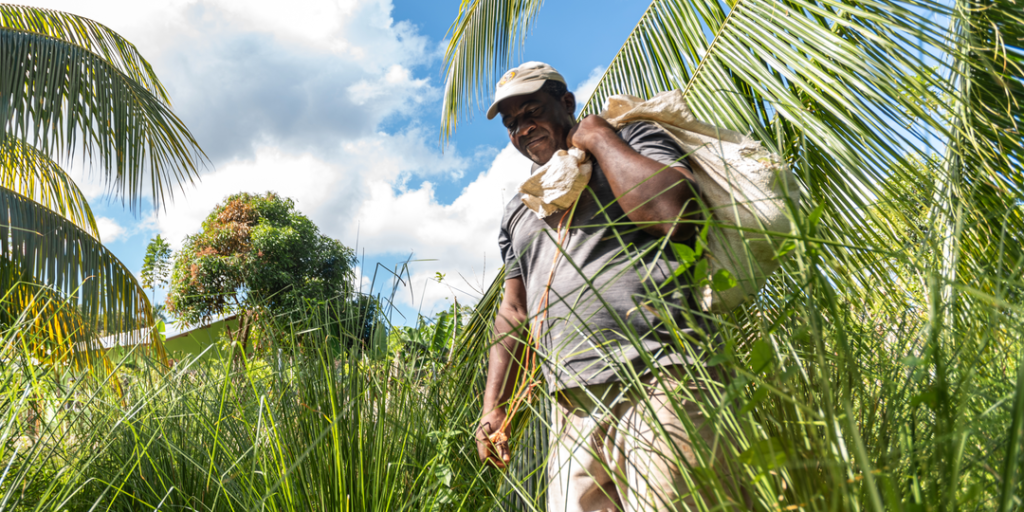
Farmer in Honduras tending to his land.

Rare envisions a world where people thrive in the places they call home.
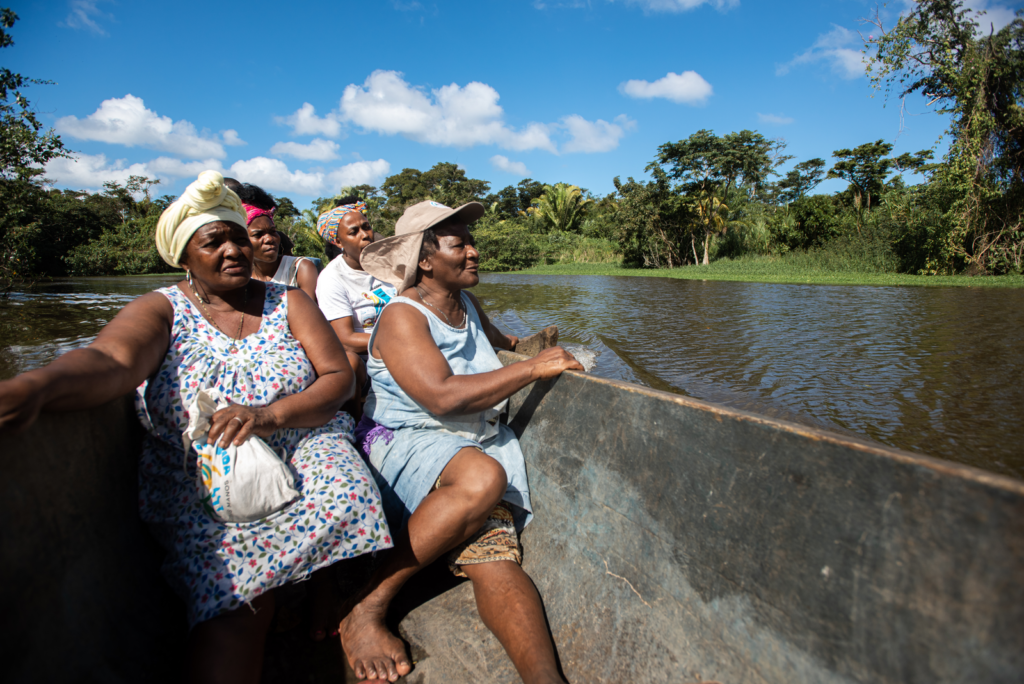
Honduran women in a canoe.

And why it matters more than ever

A look at community-led conservation fostering resilience on Brazil’s Amazon Coast

Events

Events and Engagements

Monday, October 19, 2026 

  • Deep Blue: Financing the Future of Ocean Conservation, 17:30-19:00, Ocean Pavilion: At this session, Rare, ORRAA and Levoca will launch Deep Blue, a new global marketplace for outcomes-based ocean finance. The founding partners will share how the Deep Blue marketplace will operate, what it will finance first, and what has already been proven in the water. 

Wednesday, October 21, 2026 

  • Recognizing Conservation Beyond MPAs: Marine OECMs as a Pathway for Effective and Equitable Target 3 Implementation in Indonesia, tbc time/location. This side event will explore the strategic role of marine OECMs in supporting Indonesia’s implementation of Target 3 and complement formal MPAs. This is particularly relevant for Indonesia, where many marine and coastal areas are managed through local, community-based, customary, fisheries, small island or multi-use governance arrangements. 
  • Strengthening resilience of people and nature: Implementing nature solutions, climate finance and insurance to improve human and ecosystem resilience in the Philippines, 09:00-10:00, IUCN Pavilion, Forum Room B: This event will highlight the strategic approach of combining nature solutions with innovative climate finance as scalable models for enhancing the resilience of both people and nature. Rocky Tirona Sanchez will discuss Rare’s work on parametric insurance. https://tockify.com/iucnevents/detail/68/1792558800000  
  • Why the Coral Triangle Matters for Effective and Equitable Target 3 Implementation, 15:00-16:00, Talin – Room 1: This side event will explore how the Coral Triangle can serve as a regional pathway for effective and equitable Target 3 implementation by focusing on marine protected areas, other effective area-based conservation measures, seascape-scale planning, sustainable finance, national reporting, regional cooperation and BBNJ readiness. Hari Kushardanto will share more about marine OECMs as a pathway for effective and equitable Target 3 implementation in Indonesia. https://tockify.com/iucnevents/detail/159/1792580400000  
  • A Global Treasure Worth Protecting: The Verde Island Passage (VIP) and What Its Conservation Means for the World’s Marine Biodiversity, 16:00-17:15, Ocean Pavilion: This event will present the VIP’s significance as the global center of marine shorefish biodiversity, threats it faces, and the progress of protecting the VIP under the Philippine Biodiversity Strategy and Action Plan (PBSAP) and KMGBF. https://luma.com/2smk5oge  

Thursday, October 22, 2026 

  • Advancing 30×30 pathways nationally and globally through community-led coastal fisheries management, nearshore exclusion zones, and OECMs, 18:15, Talin – Side-event Room 1: As countries advance 30×30, growing attention is being placed on the rights-based implementation challenge of establishing marine protected areas and OECMs while maintaining social legitimacy, tenure security, and fisheries outcomes.  This side event will explore how effective community fisheries governance – from inshore exclusion zones, preferential access for small-scale fishers, locally managed marine areas, and OECMs –  can strengthen biodiversity outcomes while securing tenure rights, sustaining fisheries, enhancing climate resilience, and empowering local stewardship. https://www.cbd.int/side-events/7806  
  • Rig to Reefs in Indonesia: Transforming Decommissioned Offshore Oil Platforms into Marine Biodiversity Assets through OECMs and Sustainable Ocean Conservation, 13:15, Gyumri – Contact Group 6: This event will showcase Indonesia’s experience in linking sectors with marine biodiversity conservation; supporting the implementation of Target 3 of the KMGBF; and strengthening multi-stakeholder collaboration. Hari Kushardanto will discuss expanding conservation areas through the OECM approach in Indonesia. https://www.cbd.int/side-events/7478  
  • Centering Equity in Ecosystem-based Adaptation, 14:00-15:30, Academia & Research Hub: This event launches the report by the same name, bringing together members of a FEBA Working Group to discuss how equity can be better integrated into the implementation and operationalization of Section C and Targets 8 and 11 of the KMGBF. From Sangihe, North Sulawesi province, Bupati Michael Thungari will share the experience in strengthening community-led coastal conservation and fisheries management, and how these initiatives can support adaptation for coastal communities. https://iucn.org/news/202610/new-feba-brief-calls-equity-be-heart-ecosystem-based-adaptation-ahead-cbd-cop17  
  • Aichi Target to 30×30: Expansion and Transition to Effective Governance, 16:00-17:30, Ocean Pavilion: The event will share knowledge on how countries at the heart of coral triangle move forward protecting 30% of their oceans, global initiative to leverage 30×30 agenda, and what NGOs bring to the table to advance the agenda. Hari Kushardanto will share more about how conservation actions across the region contribute to the full global epicenter of marine biodiversity. https://luma.com/COP17OceanPavilion?period=past  

Friday, October 23, 2026 

  • Making 30×30 count: From participation to credible, equitable and lasting marine OECMs in Asia, 10:30–11:45, Ocean Pavilion: Drawing on experiences from communities, governments, researchers and conservation organizations across Asia, this session will examine practical approaches for moving from participation as a principle to participation in practice. It will explore how participatory governance can support credible, equitable, and lasting marine OECMs, and identify lessons that can inform Target 3 implementation across the region. Co-hosted with Reef Check Malaysia.
  • Finance for 30×30 in the Coral Triangle: The Coral Triangle Conservation Fund & Marine Conservation Finance in the Philippines, 13:00-14:15, Ocean Pavilion: Rocky​ Tirona Sanchez will discuss how people-centered solutions contribute to conservation in the Philippines. https://luma.com/COP17OceanPavilion?period=past 

Saturday, October 24, 2026 

  • Expert Roundtable: Transitioning from Recognition to Results – Legal and Governance Pathways for Credible OECMs, 13:30-14:45: As part of Biodiversity Law and Governance Day, this roundtable will dive into the question of: How can legal and policy frameworks move OECMs from recognition to credible and durable conservation outcomes? Hari Kushardanto will bring his experience from Indonesia. https://cisdl.org/event/biodiversity-law-and-governance-day-2026/  
  • Expert Roundtable: Implementing Target 3: Partnerships, Capacity, and Global Marine Conservation Pathways for 30×30, 17:35-18:50: As part of Biodiversity Law and Governance Day, this roundtable will dive into the question of: How can we ensure that recognizing community-led and Indigenous stewardship strengthens their rights and authority, rather than simply helping governments meet numerical conservation targets? Participating virtually, Candeze Mongaya will discuss the importance of OECMs across multiple countries.  https://cisdl.org/event/biodiversity-law-and-governance-day-2026/ 
Delegation

Rare’s Delegation to CBD COP17 2026 

  • Michael Thungari, Bupati of the Sangihe Islands, Indonesia; Coastal 500 Representative 
  • Caleb McClennen, Ph.D., President 
  • Rocky Tirona Sanchez, SVP, Regional Programs 
  • John Whalen, VP, Innovative Finance  
  • Hari Kushardanto, VP, Rare Indonesia 
  • Ray Chandra Purnama, Director, Policy, Rare Indonesia 
  • Tanmatra​ Bhanti, Senior Manager, Global Policy 
  • Amber Bjerre, Manager, Global Policy & Networks