The Amazon Coast and me
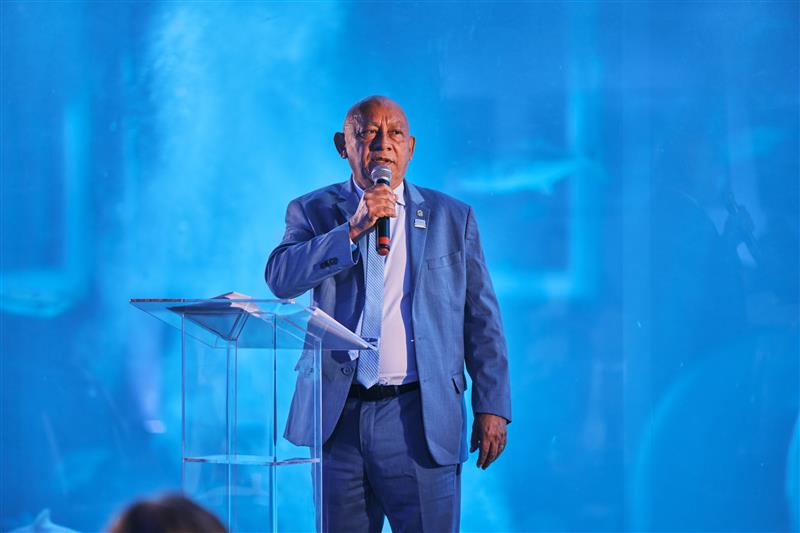
This past November, the world’s eyes turned to Pará, Brazil, as global leaders convened in Belém for the 30th Conference of the Parties to the UN Framework Convention on Climate Change (COP30). For me, Pará is more than the host state of COP30; it is my home. It is the heart of the Amazon, the heart of our people’s identity, culture, and strength.
I was born and raised in Curuçá, a coastal municipality nestled between the Amazon forest and long mangrove stretches, where the rhythm of the river sets the rhythm of our lives. Curuçá is where I built my dreams and learned the values of simplicity, faith, and hard work — values that guide my life and my role as its mayor today.
I vividly remember the afternoons at Porto Grande, in my community of Nazaré do Tijoca, where, as a child, I would accompany my parents and friends through the rivers and mangroves to fish and collect crabs. This wasn’t just about sustenance — it was a time of togetherness, learning, and respect for nature. Those memories fuel my deep connection to this land and drive my fight for its preservation.
For me and my people, our mangroves, estuaries, and oceans are not abstract. They feed our families, shape our culture, and hold back rising tides. They are the frontline of the climate crisis, and where I learned the true meaning of resilience.
The challenges we face
Over the decades, I have watched our environment change significantly. The tides and climate no longer follow the same patterns, and certain species of fish, crabs, and shrimp have declined noticeably. Erosion eats away at our coastline while rising seas threaten our mangroves and watersheds.
These shifts, in turn, threaten the livelihoods of those who rely most directly on nature. Fishers, crab gatherers, and shellfish harvesters struggle with fewer catches and must look for alternative ways to make a living. Farmers must also adapt to shifting seasons. This not only affects our local economy but also the traditions of families who have depended on these coastal ecosystems for generations.
And we are not alone. Across Pará and coastal communities worldwide, from Mozambique to Palau, families like those in Curuçá are experiencing similar realities. Climate change is no longer a distant threat: it is here, reshaping our coasts, culture, and future.
But there is hope
Yet even in the face of these challenges, I’m hopeful. In Curuçá, we have young leaders, women, and local producer associations preserving our coastal ecosystems through the cultivation of oysters, sustainable tourism, and contributions to effective local mangrove management, including those within our reserve. These actions may seem small compared to the scale of the climate crisis, but they matter. Each mangrove protected, each sustainable practice advanced, and each young person engaged is a step toward resilience.
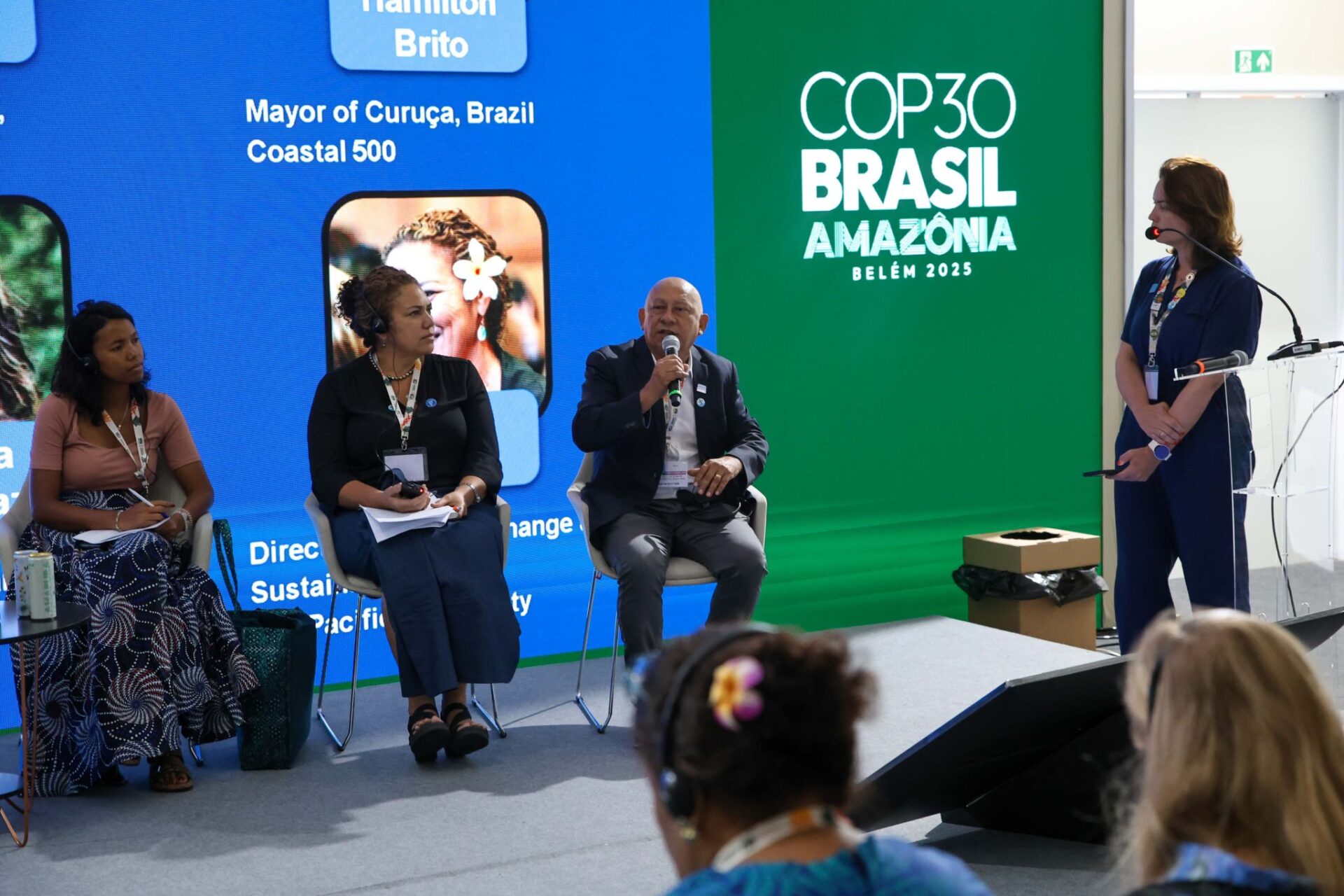
I am also encouraged by what I see beyond our shores. Through the Coastal 500 network, I have met mayors and local leaders from around the world facing similar challenges with courage and creativity. At the United Nations Ocean Conference and the COP30 Local Leaders Forum, I heard stories of how coastal villages in Indonesia, the Philippines, and Honduras are fighting back, protecting coral reefs, restoring fisheries, and demanding a seat at the table of global forums. Knowing that our struggles and solutions connect us is a continuous source of inspiration.
My call to action for local leaders
More so than any previous COP, COP30 was shaped by the frontline communities who know these challenges best. Indigenous Peoples, local communities, fishers, farmers, civil society and local governments made their voices heard, helping turn this into a People’s COP. Beyond the negotiation halls, Coastal 500 and many partners advanced a first-of-its-kind Global Climate Action Agenda, demonstrating to the world what we already know in places like Curuçá: the solutions are here, communities are taking action, and progress accelerates when we work together.
But even with this momentum, COP30 fell short of the commitments that matter most for our future. We still lack a clear pathway to transition away from fossil fuels, to reverse deforestation, and to fully recognize the ocean as a key component in climate action. These are not small omissions, and they will have a lasting impact on our communities.
As world leaders reflect on their time in Belém, I urge them to remember that the Amazon is more than a rainforest. It is its coasts, rivers, mangroves, and the millions of people who call it home and whose fate is deeply intertwined with the region. If we fail to act with urgency and justice, communities like mine will pay the highest price.
Yet we are not victims; we are the fiercest guardians of our territory. The coastal people of the Amazon are already adapting, restoring, cultivating, and defending their home. Supporting and elevating our leadership is crucial to preserving the Amazon for the benefit of the entire world.
Now that the negotiations have ended, the real work begins. We have shown what is possible. It is time for global leaders to match our resolve and turn reflection into action — so that the rising tide lifts not only our hopes, but our future.
A maré está subindo – e nós também
O litoral Amazônico e eu
Neste último novembro, os olhos do mundo se voltaram para o Pará, Brasil enquanto líderes globais se reuniram em Belém para a 30ª Conferência das Partes da Convenção-Quadro das Nações Unidas sobre Mudança do Clima (COP30). Para mim, o Pará é muito mais que o estado-sede da COP30. O Pará é meu lar. É o coração da Amazônia. É identidade, cultura e a força do nosso povo.
Nasci e cresci em Curuçá, um município costeiro situado entre a floresta amazônica e extensos manguezais, onde o ritmo do rio ditava o ritmo das nossas vidas. Curuçá é onde construí meus sonhos e aprendi os valores da simplicidade, fé e trabalho – que hoje guiam a minha vida e a minha gestão como prefeito.
Lembro muito das tardes no Porto Grande, na minha comunidade Nazaré do Tijoca, onde acompanhava meus pais e amigos pelos rios e manguezais e íamos pescar e colher caranguejo, além de outros frutos do mar. Era mais do que sustento. Era convivência, aprendizado e respeito pela natureza. Essas memórias alimentam, até hoje, minha conexão profunda com este território e motivam a minha luta por sua preservação. Para mim e para o meu povo, nossos manguezais, estuários e oceanos não são algo abstrato. Eles alimentam nossas famílias, moldam nossa cultura e seguram as marés que insistem em subir. São a linha de frente da crise climática e o lugar onde aprendi o verdadeiro significado de resiliência.
Os desafio que enfrentamos
Ao longo das décadas, observei nosso meio ambiente mudar significativamente. As marés e o clima já não seguem os mesmos padrões, e há uma diminuição perceptível em certas espécies de peixes, caranguejos e camarões. A erosão corrói nossa linha costeira, enquanto a elevação do nível do mar ameaça nossos manguezais e bacias hidrográficas.
Essas mudanças, por sua vez, ameaçam os meios de vida locais, pois pescadores, catadores de caranguejo e marisqueiras precisam lidar com a redução das capturas e buscar outras formas de sustento. Os agricultores também precisam se adaptar às mudanças das estações. Os mais vulneráveis entre nós — aqueles que dependem diretamente da natureza — são os mais afetados. Isso mexe não só com a economia local, mas também com a cultura e a tradição de famílias, que dependem do mangue e do rio há gerações.
E não estamos sozinhos. Em todo o Pará e em comunidades costeiras de todo o mundo, de Moçambique a Palau, famílias como as de Curuçá vivem realidades semelhantes. As mudanças climáticas deixaram de ser uma ameaça distante: elas estão aqui, redesenhando nossas costas, nossa cultura e o nosso futuro.
Mas há esperança
Mesmo diante desses desafios, estou esperançoso. Em Curuçá, temos jovens, mulheres e associações, como, por exemplo, a Associação Aquavila de Lauro Sodré, que estão conservando nossos ecossistemas costeiros por meio do cultivo de ostras, do turismo sustentável e da contribuição para o . Podem parecer ações pequenas diante da escala da crise climática, mas elas têm importância. Cada manguezal protegido, cada prática sustentável fortalecida, e cada jovem engajado representa um passo em direção à resiliência.
Também me inspiro no que vejo além das nossas fronteiras. Por meio da rede Coastal 500, conheci prefeitos e líderes de todo o mundo que enfrentam desafios semelhantes com coragem e criatividade. Na Conferência das Nações Unidas sobre os Oceanos, no Fórum de Líderes Locais e na COP30, ouvi histórias de como vilas costeiras na Indonésia, nas Filipinas, e em Honduras estão reagindo — protegendo recifes de corais, restaurando pescarias e exigindo um lugar à mesa dos fóruns globais. Saber que nossas lutas e soluções se conectam é uma fonte contínua de inspiração.
Mau chamado à açāo para os líderes globais
Mais do que em qualquer COP anterior, a COP30 foi moldada pelas comunidades da linha de frente, que conhecem esses desafios melhor do que ninguém. Povos Indígenas, comunidades locais, pescadores, agricultores, sociedade civil e governos locais fizeram suas vozes ecoar, ajudando a transformar esta COP na COP do Povo.
Fora das salas de negociação, a Coastal 500 e muitos parceiros avançaram uma Agenda Global de Ação Climática inédita, demonstrando ao mundo aquilo que já sabemos em lugares como Curuçá: as soluções estão aqui, as comunidades estão agindo e o progresso acelera quando trabalhamos juntos.
Mas, mesmo com esse avanço, a COP30 deixou lacunas importantes. Ainda não temos um caminho claro para a transição para longe dos combustíveis fósseis, para reverter o desmatamento e para reconhecer plenamente o oceano como componente fundamental da ação climática. Não são omissões pequenas — e elas terão impacto duradouro em nossas comunidades.
À medida que os líderes mundiais refletem sobre seu tempo em Belém, peço que se lembrem de que a Amazônia é mais do que sua floresta. Ela é também suas costas, rios, manguezais e estuários e as milhões de pessoas que aqui vivem e cujo destino está profundamente entrelaçado com esta região. Se falharmos em agir com urgência e justiça, comunidades como a minha pagarão o preço mais alto.
Ainda assim, não somos vítimas; somos os guardiões mais dedicados do nosso território. Os povos costeiros da Amazônia já estão se adaptando, restaurando, cultivando e defendendo seu lar. Apoiar e fortalecer nossa liderança é garantir a preservação da Amazônia para o mundo inteiro.
Agora que as negociações terminaram, começa o trabalho real. Já mostramos o que é possível. É hora de os líderes globais corresponderem à nossa determinação e transformarem reflexão em ação — para que a maré que sobe eleve não apenas nossas esperanças, mas o nosso futuro.