
The story we tend to tell about biodiversity is about decline. Species disappearing. Ecosystems under pressure. While true, it’s also incomplete.
In many places where biodiversity matters most, people are collectively responding to those pressures.
If you want to understand where conservation is working, it helps to look closely at what communities are doing. While biodiversity is often discussed in global targets and distant timelines, up close, it’s shaped through everyday decisions about how land and water are used, shared, harvested, and protected.
Here’s what that looks like in practice.
1. Communities are protecting far more land and water than many conservation systems recognize
Around the world, Indigenous Peoples and local communities collectively steward vast areas of biodiversity-rich land and coastal ecosystems.
A growing effort led by Rare and the Wildlife Conservation Society (WCS) is helping map and better understand community-led conservation globally — not only where it exists, but how it functions, who leads it, and what support communities need to sustain it over time.
The work reflects a broader shift happening across conservation: greater recognition that biodiversity protection is already happening in many places through community governance, traditional knowledge, and long-standing stewardship systems.
Explore our Q&A with Rare and WCS
2. On Brazil’s Amazon Coast, biodiversity is managed collectively
In Pará, mangrove forests stretch across one of the most productive coastal ecosystems on Earth.
More than 80,000 people live within this landscape, relying on it for food, income, and protection from storms. Through Brazil’s extractive reserve system, communities help manage these ecosystems directly, participating in councils, shaping rules, and monitoring resources.
That shared governance matters because mangroves are under growing pressure from climate change, pollution, overextraction, and coastal development. Maintaining the ecosystem depends on local participation remaining active, inclusive, and responsive over time.
Check out collective action on biodiversity in Brazil
3. In the Philippines, fishers and local leaders are restoring marine biodiversity together
In Antique, Philippines, the Municipality of Libertad sits along Pandan Bay, a vibrant stretch of sea known as the “tuna highway” for the marine life moving through it.
After illegal and commercial fishing depleted tuna stocks and damaged coral reefs in the early 2000s, local fishers and government leaders joined forces in 2014 to reclaim and protect their coastal waters. With managed access areas, fishing incentives, and a fisher ID system that registered and legalized more than 1,800 fishers, Libertad has become a provincial learning site for coastal and fisheries management.
Follow us on Instagram to learn more about Pandan Bay’s transformation (coming soon).
4. In Belize, biodiversity protection starts with safer fire use
In the Belize Maya Forest, wildfire is now one of the most urgent threats to forest health, wildlife, farms, and communities. Climate change is making dry periods longer and more extreme, and fires are spreading into forests that historically were too wet to burn.
Communities are responding by developing more coordinated approaches to fire prevention and management — from controlled burns and fire lines to farmer engagement and locally informed fire-use practices.
Preventing catastrophic wildfire depends as much on community coordination and everyday land-use practices as it does on emergency response.
Explore the Q&A with Elma Kay, Managing Director of the Belize Maya Forest Trust
5. In Costa Rica’s Osa Peninsula, biological corridors depend on the people living within them
The Osa Peninsula contains some of Central America’s richest biodiversity. But maintaining connectivity between forests, farms, rivers, and protected areas requires constant negotiation across working landscapes.
Communities, farmers, and local leaders are helping maintain that allow wildlife to move between fragmented habitats while supporting livelihoods tied to the land.
In places like Rancho Quemado, residents who once relied heavily on hunting are helping protect local species and monitor wildlife populations. The white-lipped peccary has become a symbol of that effort — and of how community attitudes toward conservation can shift over time.
Learn more about Osa Conservation
6. In Botswana, conservation is shaped through grazing practices
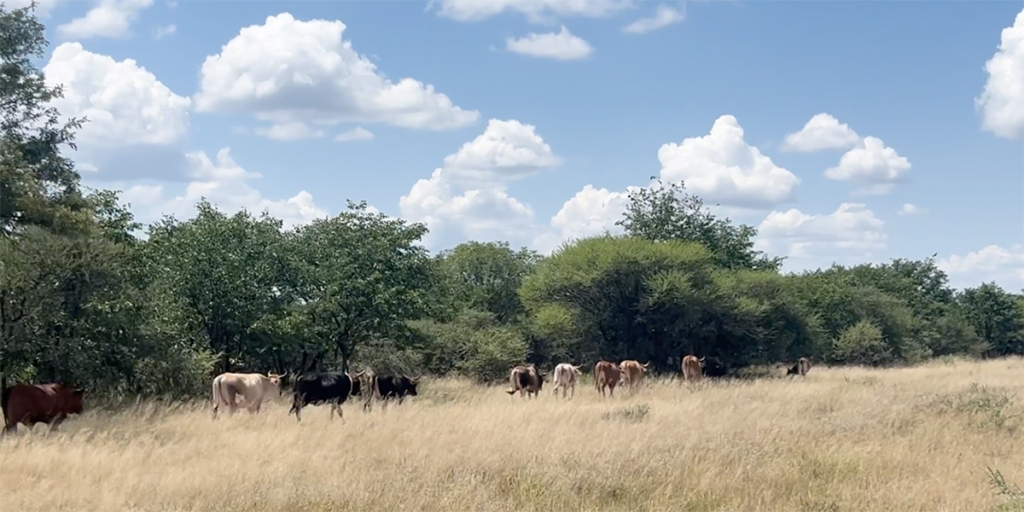
Across Botswana’s rangelands, biodiversity depends on how grasslands are managed. Local communities have long played a central role in stewarding natural resources and wildlife across these landscapes.
Communities participating in Herding for Health are working to restore degraded grazing lands through planned grazing, livestock management, and community-led stewardship practices that support both wildlife and livelihoods.
Healthy grasslands create space for wildlife movement, improve ecosystem resilience, and help communities adapt to increasing climate pressures across southern Africa.
Explore regenerative grazing in Botswana
7. Shellfish systems depend on steady stewardship
Clams, oysters, crabs, and giant clams rarely sit at the center of biodiversity conversations. But coastal ecosystems depend on them. These species help filter water, stabilize habitats, support fisheries, and sustain food systems that communities rely on every day.
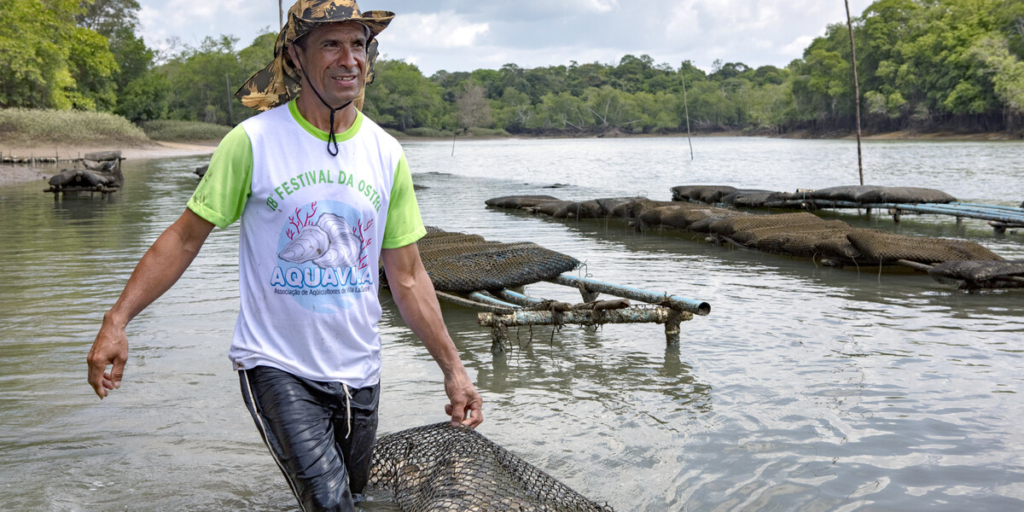
In Pará, the Aquavila Oyster Association helps manage one of Brazil’s largest oyster beds through sustainable harvesting and monitoring practices that protect both oyster populations and the surrounding mangrove ecosystem. On nearby Marajó Island, crab harvesters working through Casa do Ucides are strengthening sustainable mangrove crab harvesting while building more resilient local livelihoods.
In Palau, community-led aquaculture is helping restore giant clam populations that have declined due to overharvesting and environmental pressures. Local communities are raising juvenile clams and reintroducing them into coastal waters, reconnecting restoration efforts with long-standing traditions of marine stewardship.
Learn more about giant clam restoration in Palau and shellfish stewardship in Brazil
8. Across coastal communities in the Philippines, women are leading biodiversity conservation from the frontlines
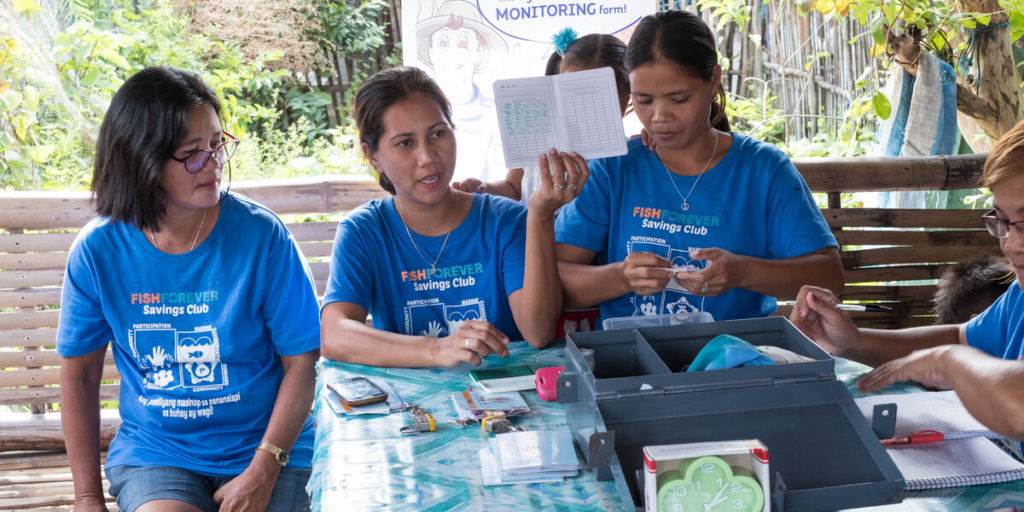
In many coastal communities, women are central to how natural resources are managed, shared, and protected.
Across the Philippines, women are organizing fisheries groups, mentoring young leaders, supporting marine protected areas, enforcing fishing rules, and helping communities respond to climate impacts affecting coastal ecosystems. Their leadership often grows from deep local relationships and daily engagement with community life — creating trust that helps conservation efforts endure over time.
As pressures on marine ecosystems intensify, that leadership is becoming even more important to the future of coastal biodiversity.
Meet three women protecting biodiversity: Shirley, Charity, and Gina
A different kind of conservation story
Across these examples, biodiversity is being shaped through governance, livelihoods, local knowledge, social norms, and long-term stewardship.
Healthy ecosystems depend on both local leadership and the systems that enable communities to sustain that leadership over time — from governance structures and resource rights to financing, networks, and shared decision-making.
Community-led conservation is also increasingly shaping international conservation efforts. In Honduras, locally managed coastal waters are helping advance global 30×30 ocean goals through fisheries stewardship and community governance — reinforcing the idea that conservation targets are more durable when communities are part of designing and managing them.
The work looks different from place to place. But across these ecosystems, communities remain one of biodiversity’s strongest forms of defense.